
boat removal and disposal in Pelican Bay, FL

- The Florida Spirit
Boat removal service in Pelican Bay
Boat removal is the process of taking an unwanted, damaged, non-running, or end-of-life vessel off a property or out of storage and arranging for it to be dismantled, hauled, or disposed of. Florida Boat Services reviews these requests for Pelican Bay in Collier County. This page does not imply a local office, and availability is confirmed project by project after we see the details.
Pelican Bay is a residential community with managed properties, so the first question is usually not the boat itself but the route to it. A sailboat on a trailer in a community storage area, a fiberglass runabout beside a garage, or a personal watercraft left behind by a prior owner may each need different handling. Gate rules, association restrictions, narrow turns, overhead clearance, and soft ground all shape what is realistic.
The community sits near Outer Clam Bay, and nearby waterways such as the Cocohatchee River are part of the wider area. We mention them only as geographic context. A vessel in or near water is a different kind of project from one parked on a driveway or in a storage lot, and we do not assume access to any specific waterbody or facility.
Conditions we review
- Junk or end-of-life boats that are no longer worth operating or repairing.
- Non-running boats with failed engines, damaged drives, or missing components.
- Damaged hulls, including cracked fiberglass, soft decks, or storm damage.
- Trailer problems, such as flat tires, seized bearings, rust, or a missing title or tag.
- Abandoned vessels on managed property, where authorization must be clear before anything moves.
If you are wondering how to get rid of a boat that has simply outlived its use, the same starting point applies: gather accurate details and share them for review.
- All Vessel Types
Boat disposal scope
Boat disposal is not a single step. Depending on what the quote confirms, the removal scope may include loading, dismantling, hauling, trailer handling, transport, and final disposal. Each of those items should be written down before scheduling so you know what is and is not covered.
Ordinary removal versus submerged recovery
A boat on land or at an accessible dock or marina slip is generally a removal project: the vessel can be reached, assessed, and prepared for hauling. A vessel that is sunk, partly submerged, or resting in shallow water is a recovery project. Recovery adds questions about location, water depth, bottom conditions, hazards, and who has authority over the site. Those questions must be answered before a plan can be defined. If you are not sure which category applies, say so in your request and include photographs that show the waterline.
Details that affect access and scope
- Type and size: sailboat, powerboat, pontoon, or PWC, plus approximate length, beam, and height on the trailer if there is one.
- Material and condition: a fiberglass boat disposal job differs from one involving wood, aluminum, or mixed materials, and a hull that is falling apart may need different handling than an intact one.
- Trailer status: whether a trailer is present, roadworthy, titled, or part of the disposal.
- Exact location: street, storage lot, dock, or slip, and whether the boat is on land or in the water.
- Access route: gate codes, width, turning room, ground firmness, and anything parked or stored in the way.
- Site rules: association or facility restrictions on work hours, vehicles, or staging.
A preparation scenario
Consider a non-running sailboat stored on a trailer in a shared lot. Before a quote can be useful, someone needs to confirm who owns it, who may authorize removal, and whether the mast and rigging stay with the hull. Photos of the lot entrance and the path to the boat help as much as photos of the boat. If the trailer tires are flat or the mast must come down, say so. Those facts can change the removal scope and the cost.
Property managers and facility representatives
If a vessel is occupying managed property, send the site contact, any facility restrictions, written authorization, and a complete list of items to be removed. Clarify who is responsible for disposal and what must stay or leave before work begins.
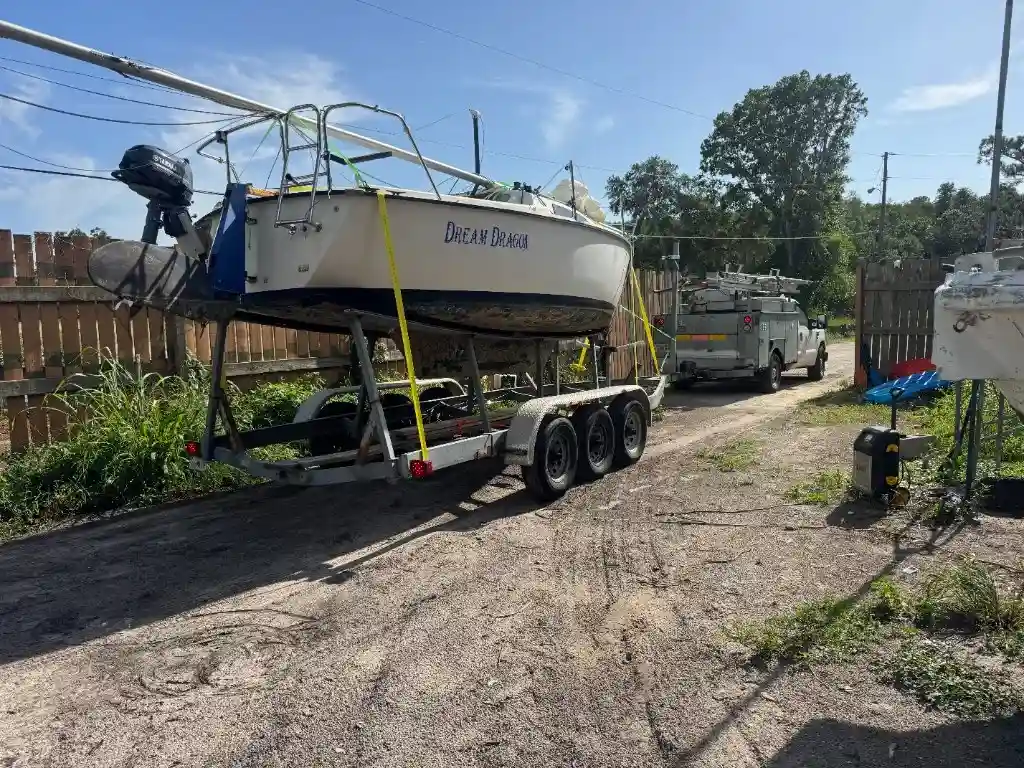
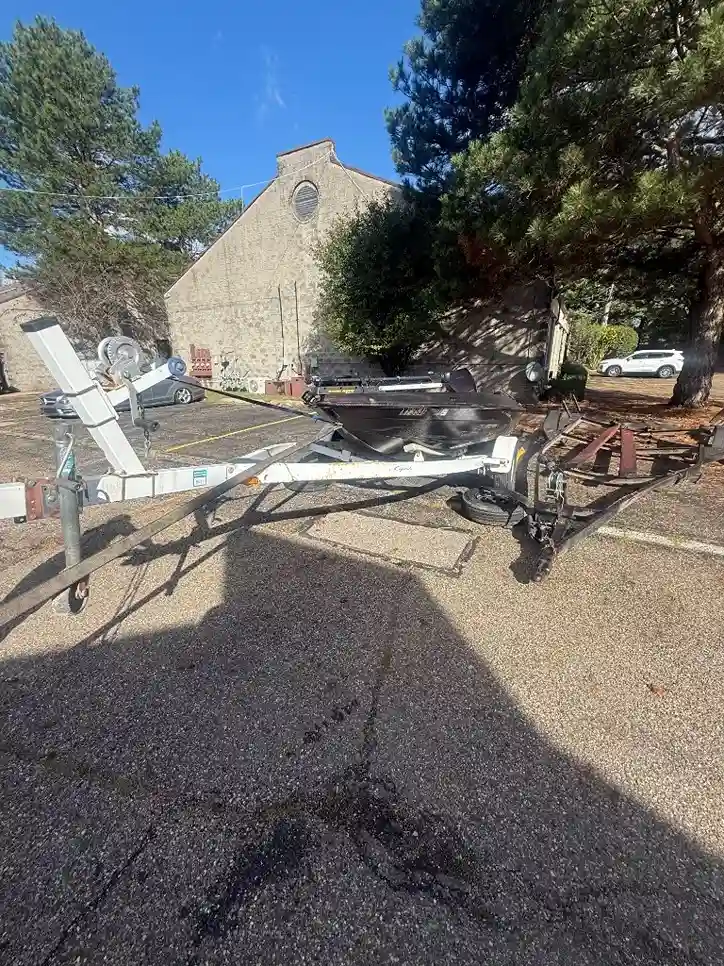
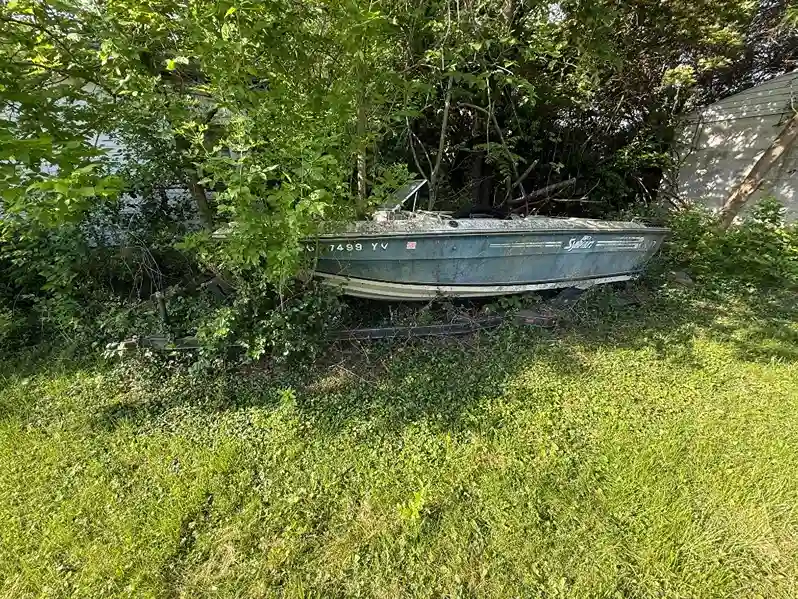
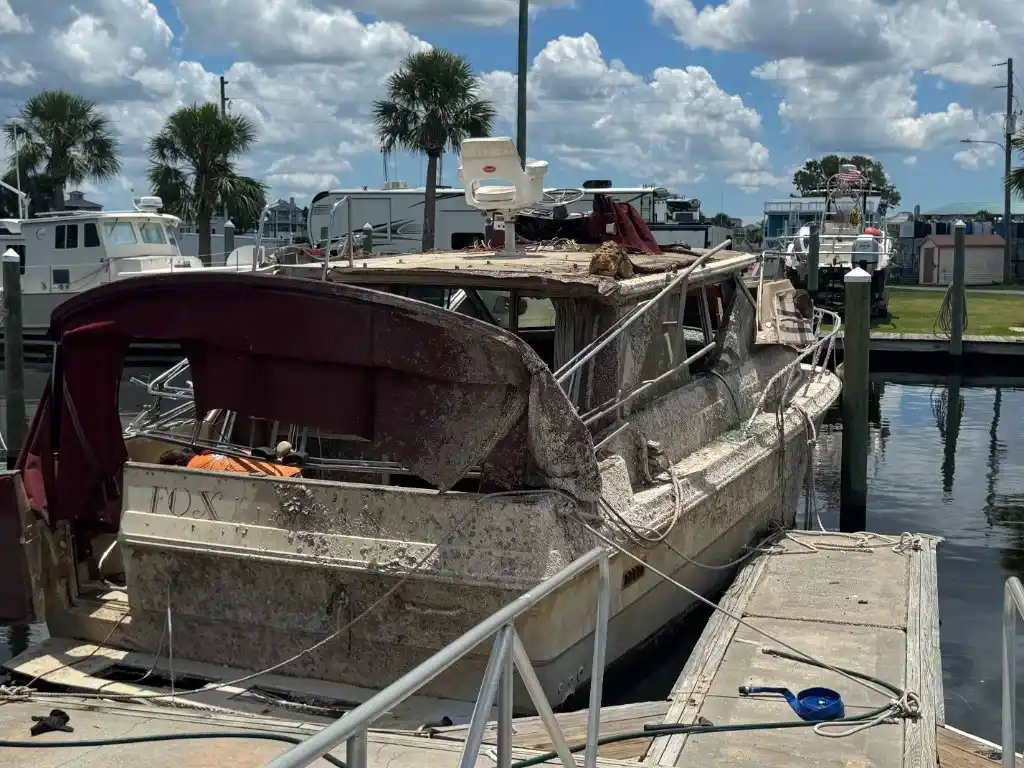
Request a boat removal quote
The quote request is free, but removal, recovery, transport, and disposal are not automatically free. Pricing is project-specific. Boat disposal cost depends on size, condition, location, access, equipment needs, trailer condition, recovery requirements, transport, and disposal scope. We do not publish flat prices because two boats of the same length can involve very different work.
What to send
- Vessel or PWC type and approximate dimensions.
- Current condition and whether it runs.
- Trailer status.
- Exact location and whether it is on land or in water.
- Proof that you own the vessel or are authorized to have it removed.
- Site restrictions and access details.
- Safe photographs taken from the ground or dock. Please do not board an unstable vessel or enter the water to take them.
What the estimate should include
A useful estimate states which steps are in scope: loading, recovery, dismantling, hauling, trailer handling, transport, and disposal. It should also note any access conditions that must be met. Once the access route is agreed, keep it clear and confirm what remains on site and what leaves.
Learn more on the Boat Removal & Disposal service hub, browse Florida service areas, or compare nearby pages for Boat Removal & Disposal in Pelican Marsh and Boat Removal & Disposal in Vineyards. When your details are ready, request a project-specific quote.
Common Removal Situations
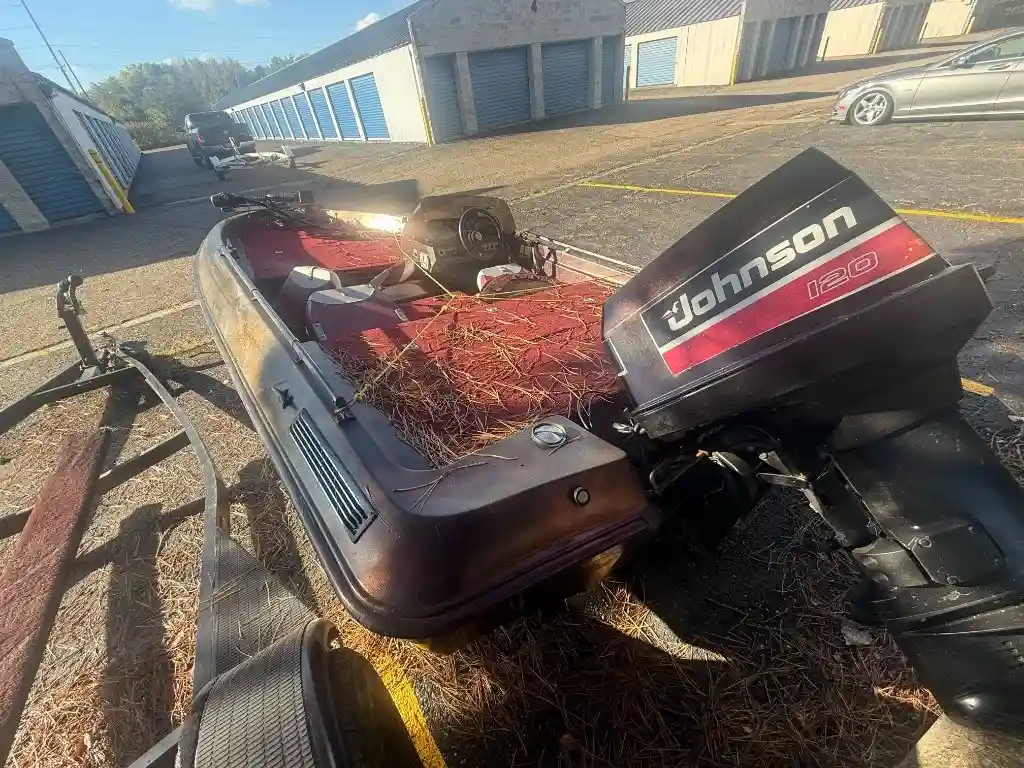
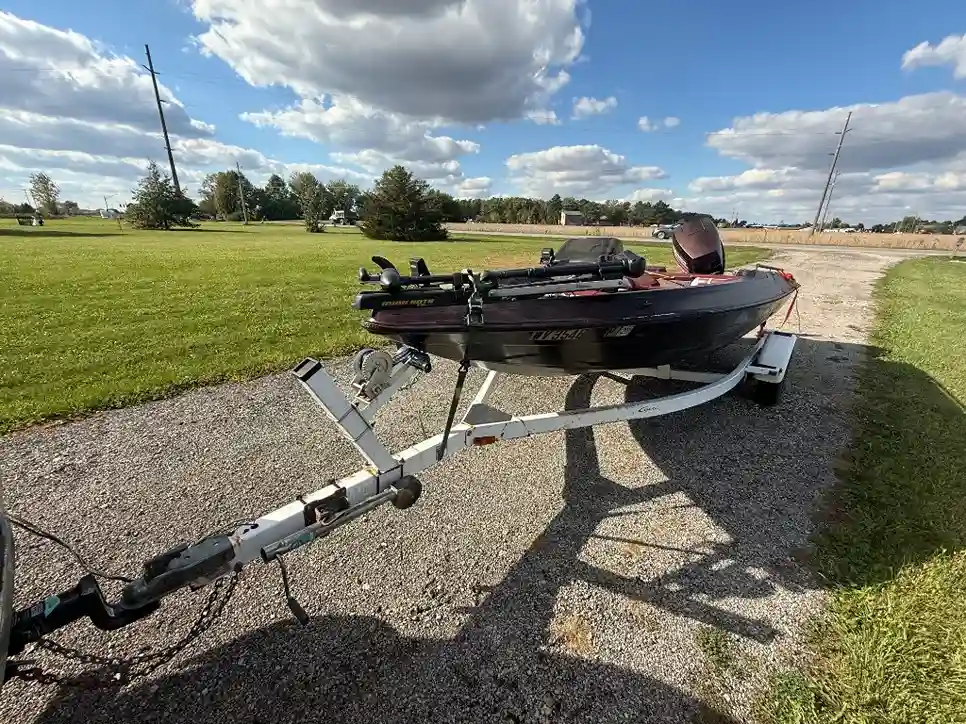
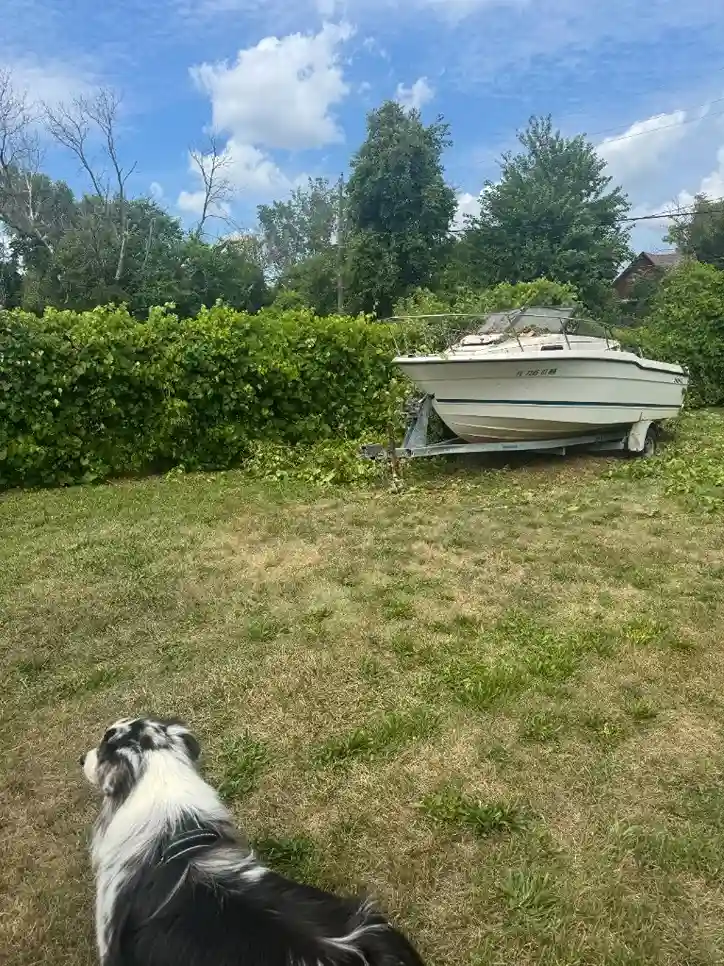
On arrival day, crews do not perform engine repairs, hull maintenance, or preparation for resale; the work is strictly rigging, loading, and hauling away unwanted marine structures. Common removal situations include:
- Recreational craft that sit unused and neglected.
- Aging powerboats or sailboats damaged beyond repair.
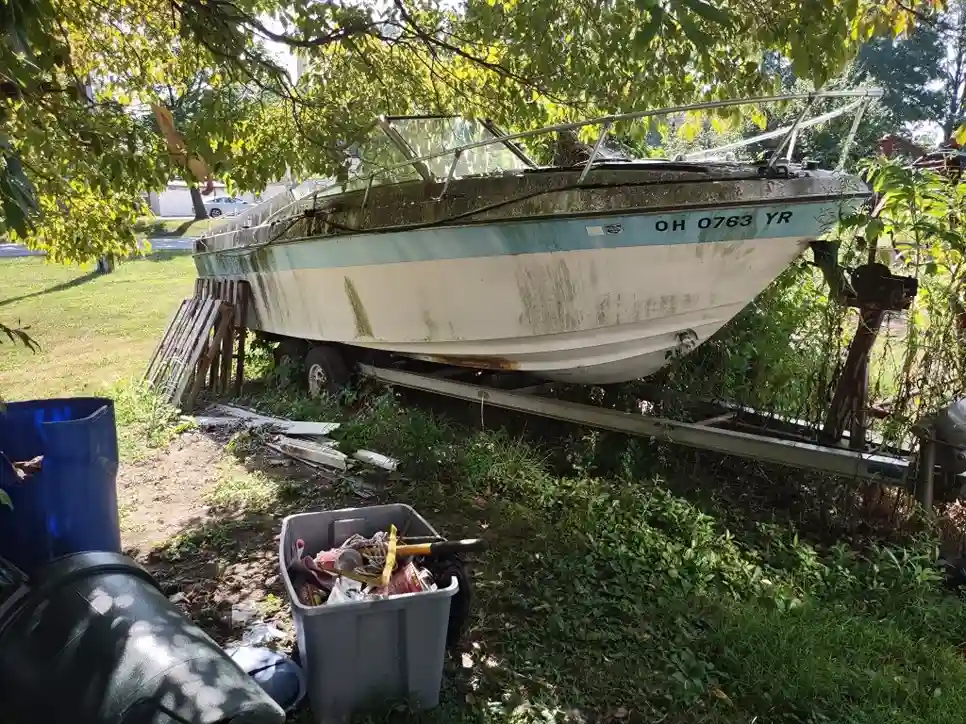
- Abandoned or derelict hulls left on private property or at marinas.
- Vessels blocking access points or posing safety hazards in the water.
- Owners who simply need the property cleared and the boat gone.
- FAQ
Service Questions
Get answers to common questions about boat removal in Florida.

Request a project-specific removal quote
Send current vessel and access details for a project-specific estimate. The quote request is free, but the work is not automatically free. Availability is confirmed for each project. You can also call (904) 946-4709.
Waterlogged hulls are stripped of hazardous fluids before breaking, while standard fiberglass and aluminum craft go straight to facilities for crushing or recycling. Tell us about the boat and where it sits, then send a few photos. You will get an estimate before any work begins, and the crew takes it from there.