
boat removal and disposal in Island Walk, FL

- The Florida Spirit
Boat removal service in Island Walk
In a Collier County community like Island Walk, a vessel like that often becomes a problem the moment a tire fails, a cover tears, or a property rule changes. Florida Boat Services reviews boat removal requests throughout Florida. For Island Walk, availability and final scope are confirmed project by project. This page does not imply a local office or a set response time.
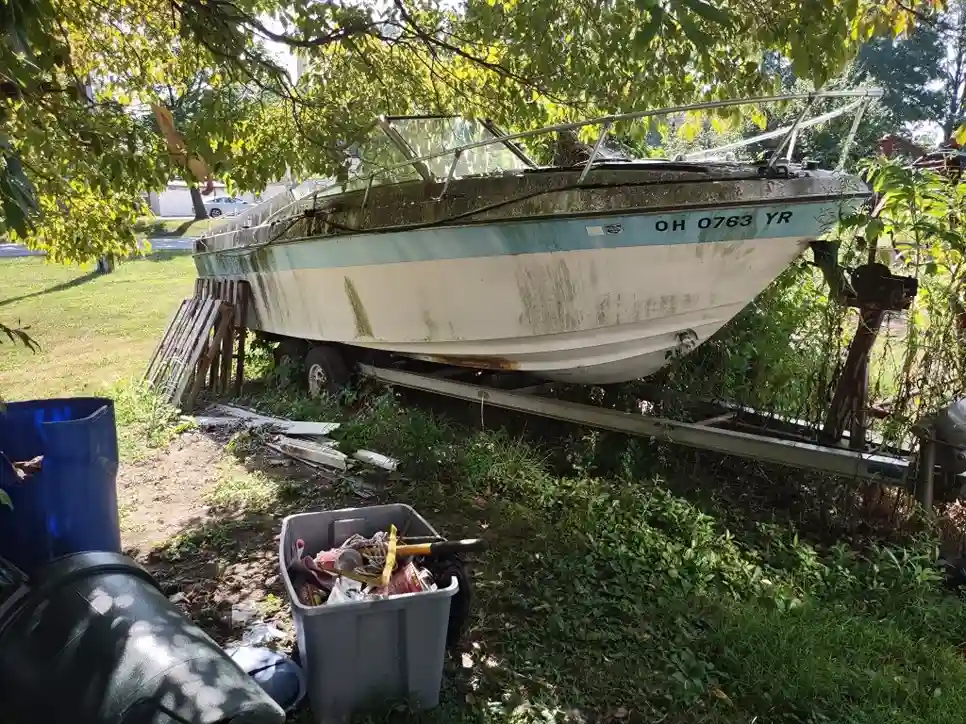
In practice, a boat removal service is a defined plan for getting one specific vessel off a specific property. Depending on what the quote confirms, that plan may include loading, dismantling, hauling, trailer handling, and disposal. Not every job needs every step. A small fiberglass skiff on a sound trailer is a different project from a large cabin cruiser with a collapsed trailer and a narrow driveway.
Conditions that get reviewed
- Unwanted but intact: the boat is whole, but the owner has no use for it and wants a clear removal plan.
- Non-running or damaged: a seized engine, a cracked hull, soft decking, or storm damage that makes the boat unsafe to move normally.
- End-of-life: the vessel is beyond practical use and is better treated as junk boat removal than as something to sell or fix.
- Trailer problems: flat or missing tires, seized bearings, rusted frames, or a trailer that cannot be towed as it stands.
- Abandoned or unclaimed: a vessel left on managed property, where the representative must first establish who can authorize removal.
Land removal versus submerged recovery
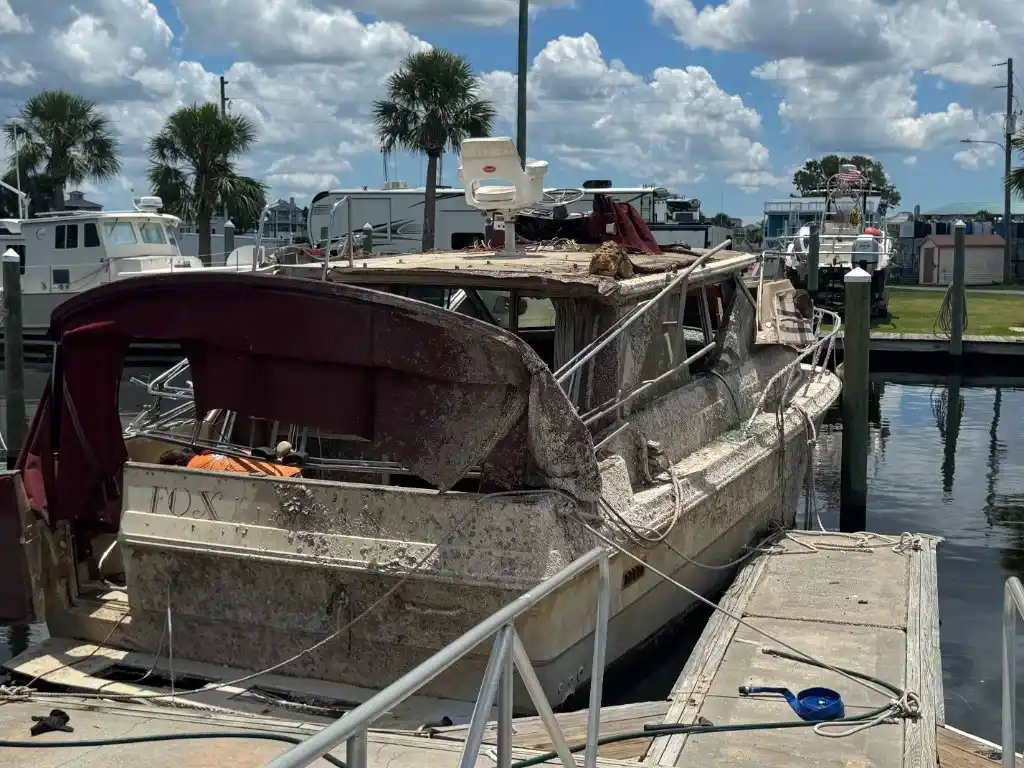
These are not the same job. Ordinary removal covers a boat on land, on a trailer, or at an accessible dock or ramp where it can be reached safely. A sunken or partly submerged vessel is a recovery project. It needs its own review of water access, depth, and safety before anyone can talk about scope or cost. If your boat is in the water, say so clearly in your request and include a safe photograph from shore or a dock. Please do not enter the water or climb on a damaged hull to take pictures.
Public maps list waterways in the wider area, such as the Golden Gate Main Canal. A waterbody appearing nearby does not mean any particular site is served or accessible for a job. Those details are confirmed individually.
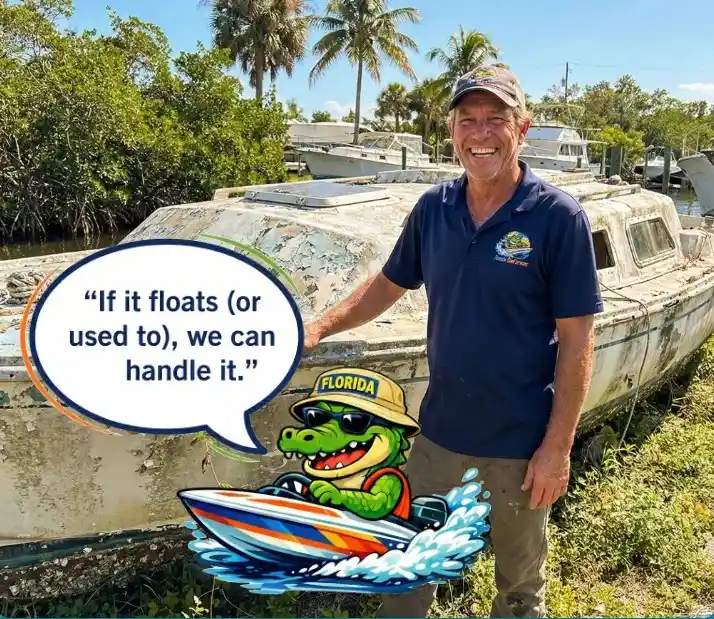
- All Vessel Types
Boat disposal scope
Many owners searching for how to get rid of a boat discover that removal is the easy part to describe and the harder part to define. Disposal scope depends on what the vessel is made of, how large it is, and how it can be reached. The quote should say which of those steps are included rather than leaving them implied.
What shapes the scope
- Size and construction: fiberglass boat disposal is usually a different task from handling an aluminum jon boat or a wooden hull. Length, beam, and weight all matter.
- Rigging and equipment: sailboat disposal may involve a mast, standing rigging, and a keel, which change how the vessel is dismantled and moved.
- Trailer status: a roadworthy trailer, a damaged trailer, and no trailer at all lead to different handling plans, and the trailer may or may not be part of what leaves.
- Access route: gate width, driveway slope, soft ground, overhead branches or lines, tight turns, and parked vehicles can all limit how a boat comes out.
- Site rules: managed communities, storage facilities, and marinas may restrict work hours, vehicle size, or who can be on site.
- Transport and disposal: distance and the disposal arrangements confirmed for the project are part of the scope. Final details are set when the project is reviewed, not assumed in advance.
Thinking about boat disposal cost
Boat disposal cost is project-specific, and this page does not publish a price. Requesting a quote is free. The removal, recovery, transport, and disposal work itself is not automatically free, and the quote should make clear what is and is not included.
Disposal outcomes also vary by project. Nothing here promises a particular destination or recycling result for your vessel.
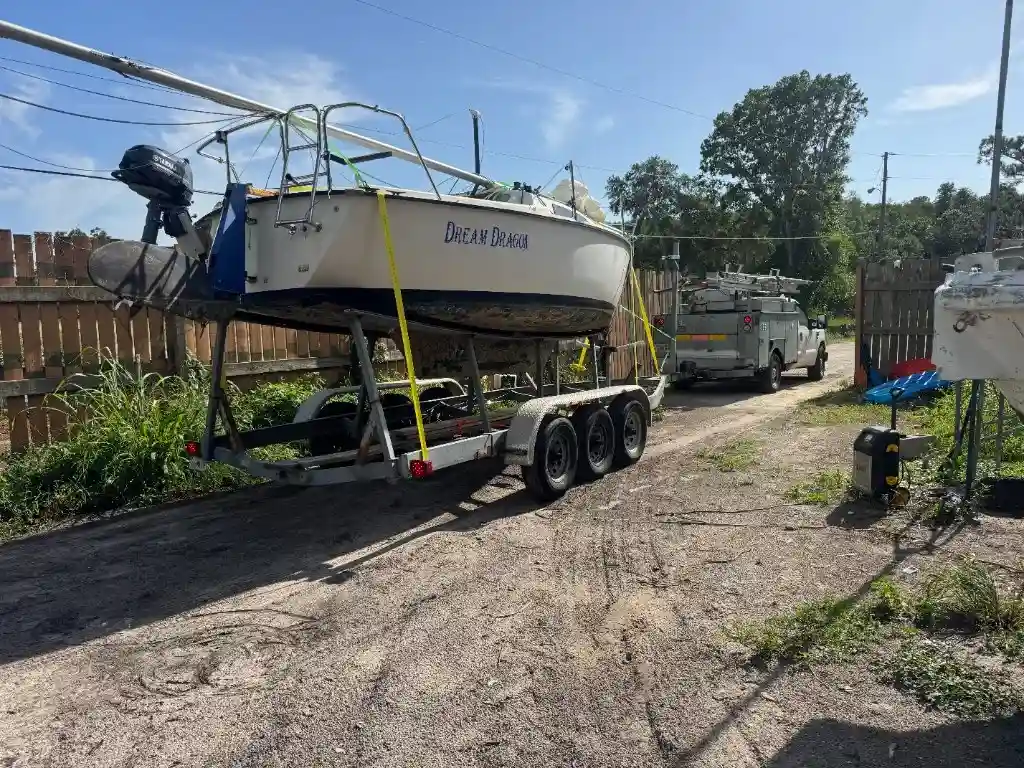
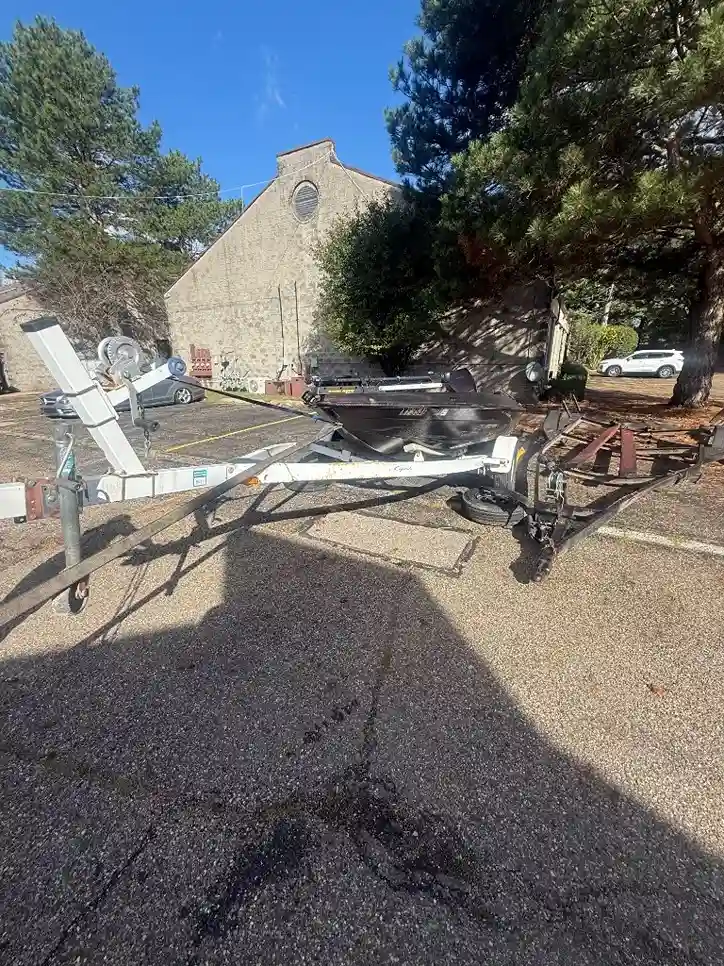
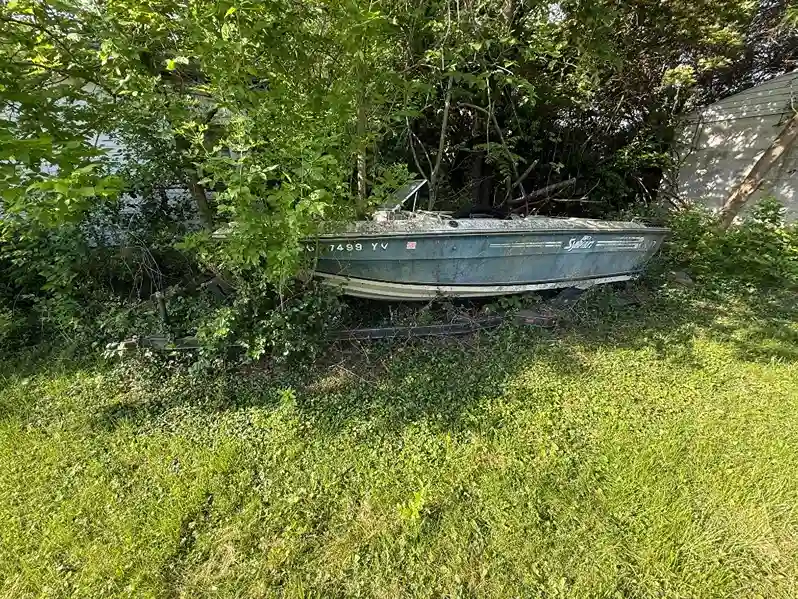
Request a boat removal quote
The most useful request is a complete one. Through the contact page, please send:
- The vessel or personal watercraft type, and the trailer status.
- Approximate length, width, and any known weight.
- The boat's condition: running or not, hull damage, water intrusion, missing parts.
- The exact location, including whether it is on private property, in storage, or at a dock or ramp.
- Who owns the vessel, or who is authorized to approve its removal, and how that can be shown.
- Access details: gate codes or restrictions, driveway or lot conditions, and the route a truck or trailer would take.
- A few safe photographs showing the whole vessel, the trailer, and the access route.
Authorization comes first. Without a clear owner or an authorized representative, a removal plan cannot move forward, and the quote may stay on hold until that is resolved. This page is not legal advice, so if ownership is unclear, sort that out before you schedule anything.
For property managers and facility representatives
If a vessel is occupying managed property, send the site contact, any facility restrictions, your authorization, and a complete list of items to be removed. That list should cover trailers, loose equipment, covers, and anything else stored with the boat. Say what must stay and what must leave. Before work begins, the agreed access route needs to be kept clear, and the quote should confirm who handles loading and who is responsible for disposal.
Once your details are reviewed, availability is confirmed and the removal scope is defined before scheduling. If you are weighing options across the area, see the Florida service areas overview, or read about boat removal and disposal in nearby Vineyards and Golden Gate. The main Boat Removal & Disposal service page explains the full process.
Common Removal Situations
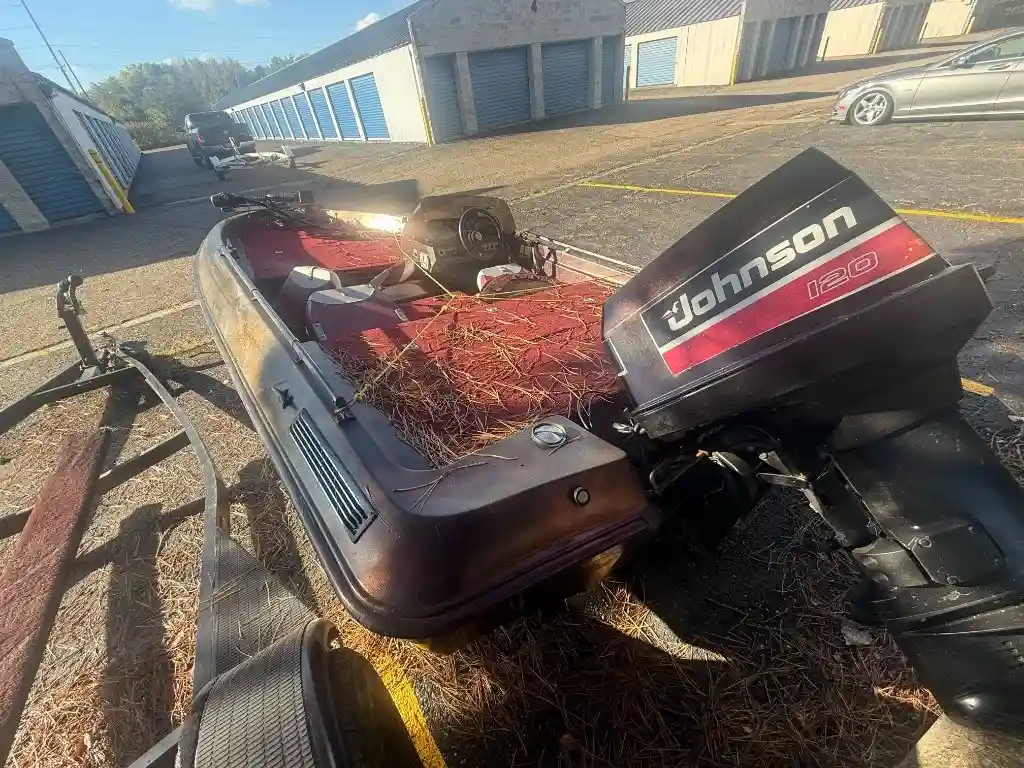
Every vessel removed from a site is hauled directly to a processing yard to be drained of fluids, dismantled, and sorted for scrap. Crews manage the entire teardown pipeline for a range of site conditions:
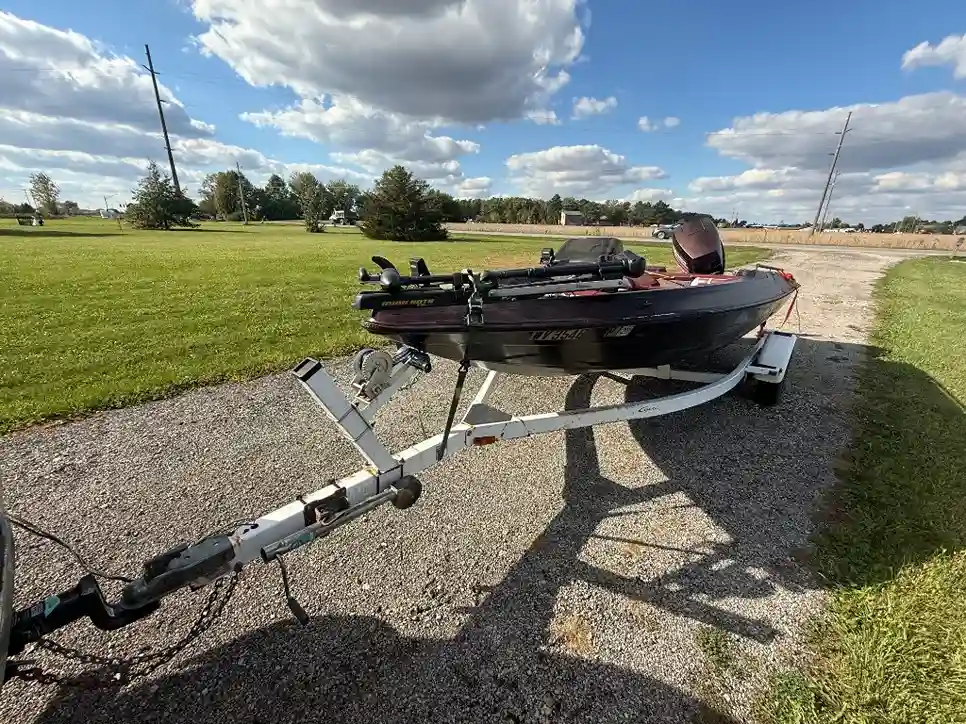
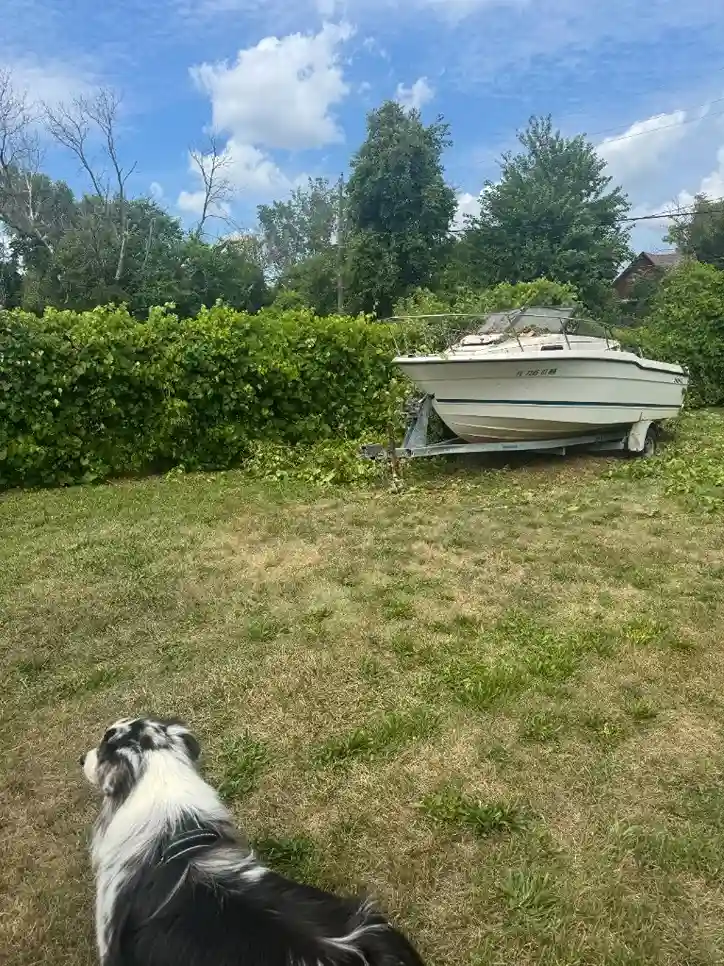
- A boat left sitting unused on a trailer or cradle.
- An aging sailboat or powerboat decayed beyond repair.
- An abandoned vessel tied up at a marina or sitting on private land.
- A compromised hull blocking water access or creating a hazard.
- A vessel where the owner simply wants the property cleared.
- FAQ
Service Questions
Get answers to common questions about boat removal in Florida.

Request a project-specific removal quote
Send current vessel and access details for a project-specific estimate. The quote request is free, but the work is not automatically free. Use the contact page, or call (904) 946-4709 to confirm availability for your Island Walk project.
Hauling an unwanted vessel requires heavy equipment, specialized trailers, and disposal access that standard vehicles cannot manage. Whether dealing with a trailered hull sitting in a driveway or a vessel grounded in the water, send photos along with details about the craft and its location. Get an estimate before work begins, then let the crew handle the rest.