
Boat removal and disposal in Golden Gate, FL

- The Florida Spirit
Boat removal service in Golden Gate
Florida Boat Services reviews boat-removal requests for owners and authorized property representatives across Florida, including Golden Gate in Collier County. It is a removal and disposal service for unwanted, damaged, non-running, or end-of-life boats. Depending on what is confirmed in your quote, the work can include loading, dismantling, hauling, trailer handling, and disposal. We do not have a local office in Golden Gate, and availability is confirmed project by project.
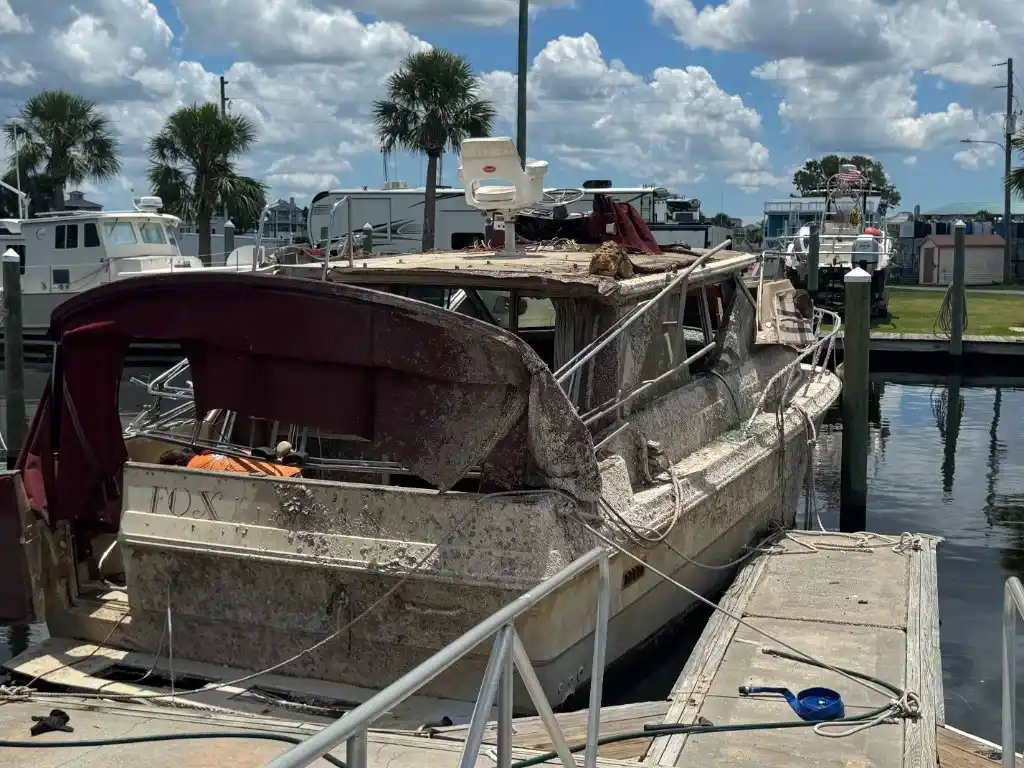
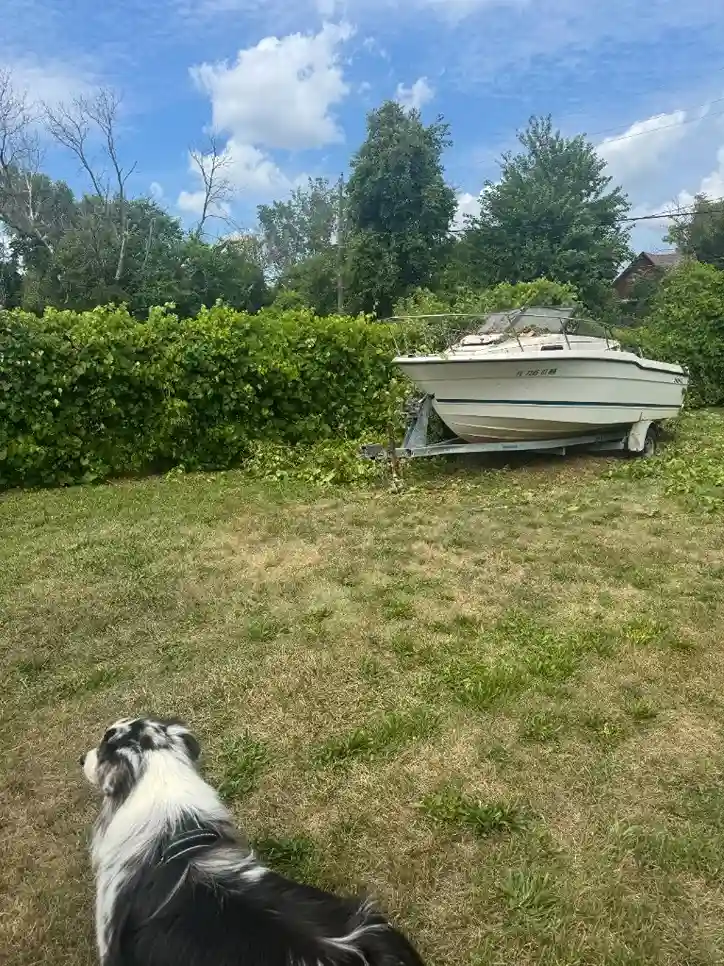
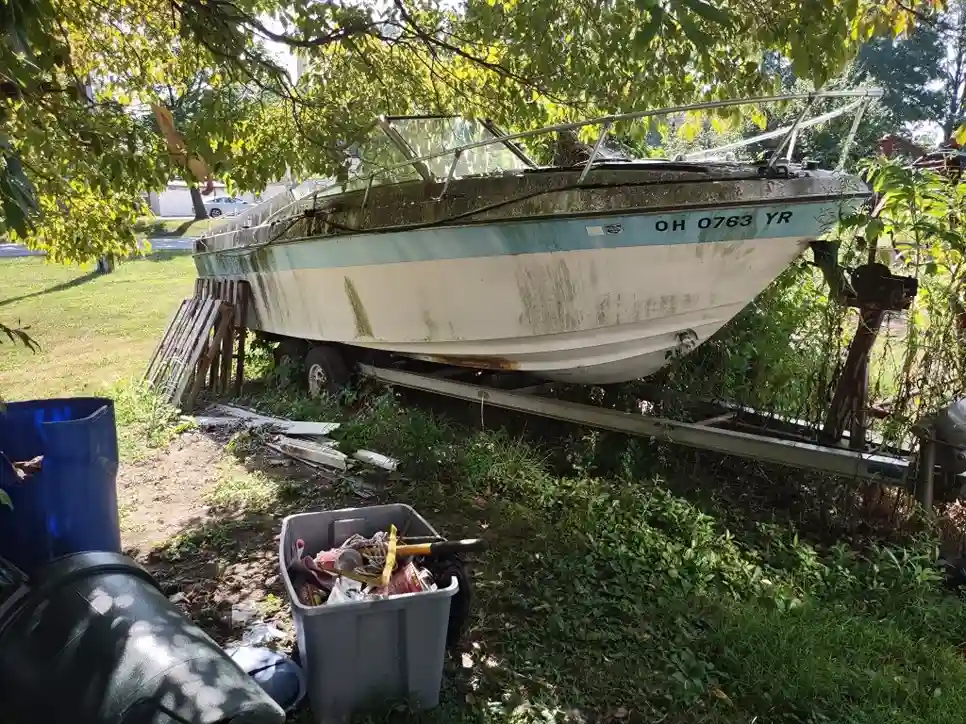
Many Golden Gate removal requests are likely to start on land. Picture a fiberglass boat that has sat beside a house or in a side yard for several seasons. The trailer tires are flat, the hull is soft in places, and the owner is not sure the unit can be moved at all. The first question is not "how fast can it go?" but "can it be reached, and what is the condition of the trailer?" A narrow gate, a soft lawn, low branches, or a tight turn at the street can change the plan more than the boat's length does.
If the vessel is on or near water, the review has more to sort out. The Golden Gate Main Canal is one documented waterbody near the community. Naming a canal in a request does not mean the vessel can be reached from it, that a particular ramp or property is available, or that any site has been approved. The exact location and the access route decide what is realistic.
Ordinary removal versus submerged-vessel recovery
These two jobs are different, and the quote should treat them separately.
- Ordinary removal applies to a boat on land, on a trailer, or at an accessible dock or storage location. The focus is loading, hauling, and disposal scope.
- Submerged-vessel recovery applies to a boat that has sunk or is partly underwater. It adds recovery requirements, water access questions, and condition unknowns that need review before anyone can define the work.
If you are not sure which category fits, say so and send photographs. The review sorts it out; you do not have to diagnose it yourself.
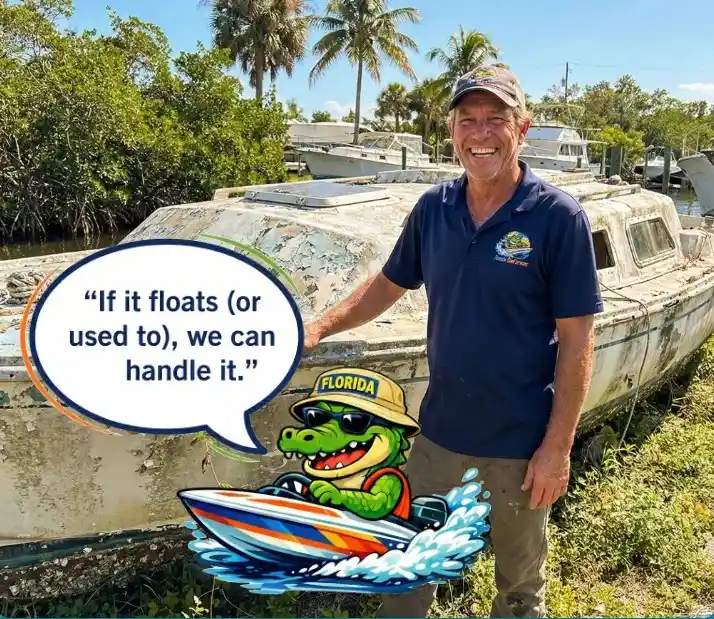
- All Vessel Types
Boat disposal scope
The quote request is free. The removal, recovery, transport, and disposal that follow are not automatically free, and the estimate will say what is and is not included. To get an accurate one, gather the following before you reach out:
- Type and size: what the vessel or PWC is and its approximate dimensions.
- Condition: running or not, damaged, taking on water, or sunk.
- Trailer: whether there is one, and whether it can roll.
- Exact location: the street or site, and whether the boat is on land, at a dock, or in the water.
- Authorization: your ownership or your authority to approve removal.
- Access details: gates, surfaces, overhead clearance, tight turns, and any facility restrictions.
- Safe photographs: wide shots of the boat and the approach, plus close-ups of the hull and trailer. Take them from solid ground and stay out of unstable or submerged areas.
A useful estimate should spell out which parts of the work are included: loading, recovery, dismantling, hauling, trailer handling, transport, and disposal. It should also note what has to be cleared beforehand. Keep the agreed access route open, and confirm what must remain on site and what leaves with the boat before work starts.
When you are ready, request a project-specific quote through the contact page. If you want to see how the service works across the state, the Boat Removal & Disposal service hub and the Florida service areas page are good places to start. Owners in neighboring communities can also read the pages for Boat Removal & Disposal in Berkshire Lakes and Boat Removal & Disposal in Vineyards. Availability for any location is confirmed individually.
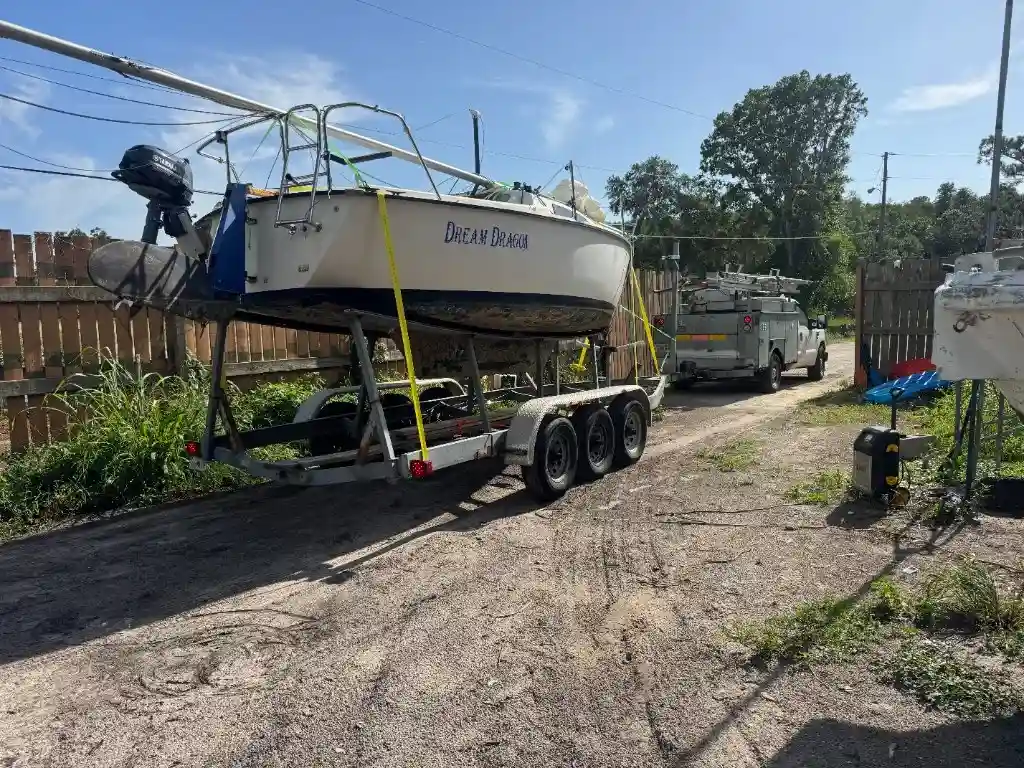
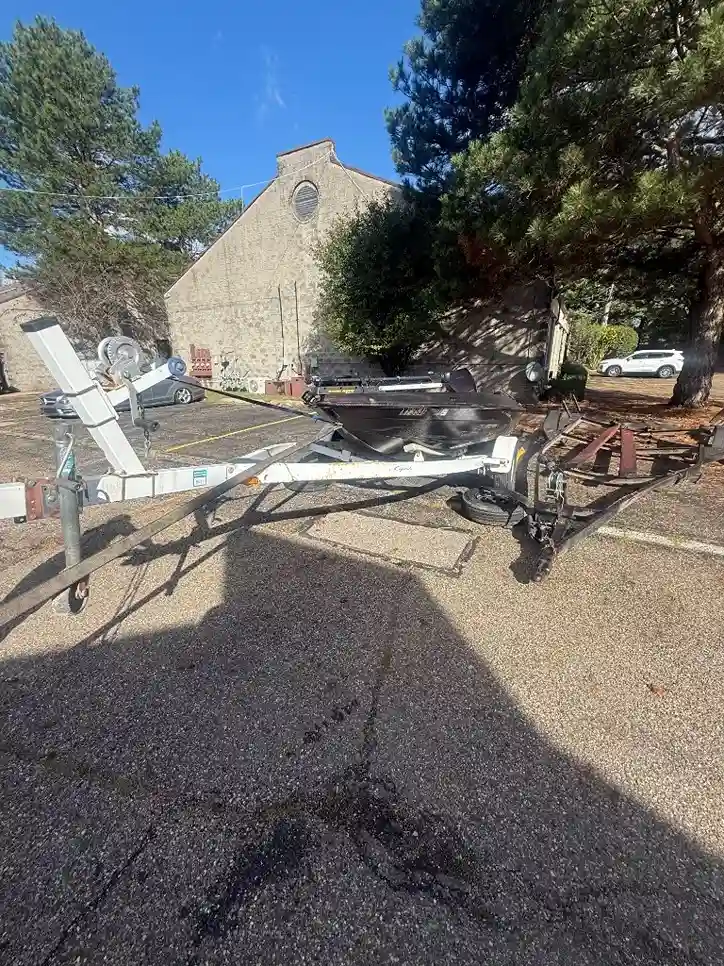
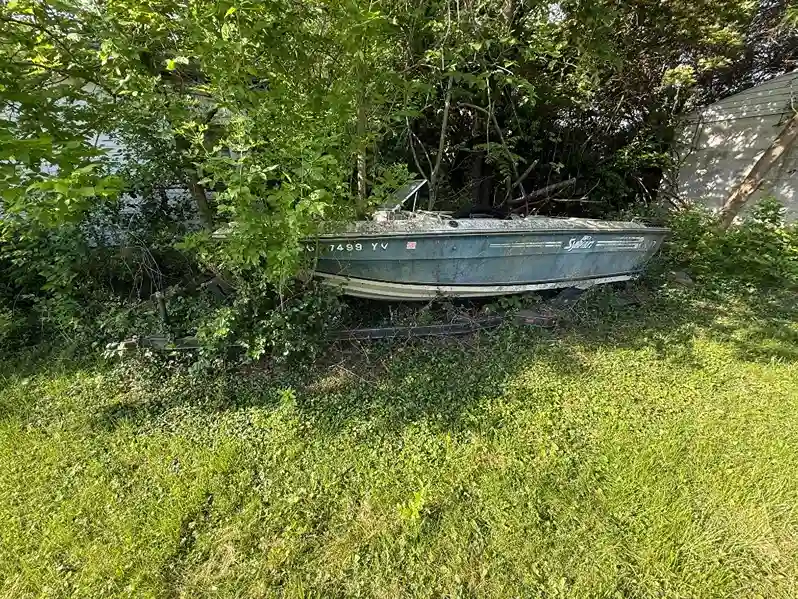
Request a boat removal quote
Disposal is part of the scope only when the quote says so. Before a plan is set, the review looks at what is being removed and what happens to it afterward, whether you call it junk boat removal, scrapping, or just getting rid of a boat that is no longer usable.
Conditions that get reviewed
- Vessel type: powerboat, sailboat, pontoon, jet ski or PWC, skiff, or another craft. Sailboat disposal can involve a mast, rigging, and keel, which affect handling.
- Construction and condition: a fiberglass hull that is cracked, waterlogged, or delaminated is handled differently from a sound one. Photos of the hull, deck, and interior help.
- Trailer status: whether a trailer is included, whether it rolls, and whether it is being removed with the boat or staying.
- Contents: engines, batteries, fuel, and personal items. Confirm what must stay and what can leave before work begins.
- Size: approximate length, beam, and height, especially for clearance on the access route.
What affects the estimate
Pricing is project-specific. It depends on size, condition, location, access, equipment needs, trailer condition, any recovery requirements, transport, and disposal scope. That is why a general "boat disposal cost" figure rarely matches a real job. A small, accessible boat on a driveway and a large, immobile hull behind a locked gate are not the same project, even in the same neighborhood. Disposal destinations, equipment, crew size, and timing are not assumed in advance. They are confirmed once the project has been reviewed.
For property managers and facility representatives
If a vessel is sitting on managed property, such as a storage lot, a community common area, or a waterfront parcel, the review also needs the following:
- the site contact and written authorization to remove the vessel;
- gate hours, vehicle restrictions, and any insurance or paperwork the site requires;
- a complete item list, including trailers, loose parts, and anything stored in or under the boat;
- who is responsible for disposal once removal is agreed.
Any site rules or approvals that apply should be identified before scheduling, not on the day of the work.
Common Removal Situations
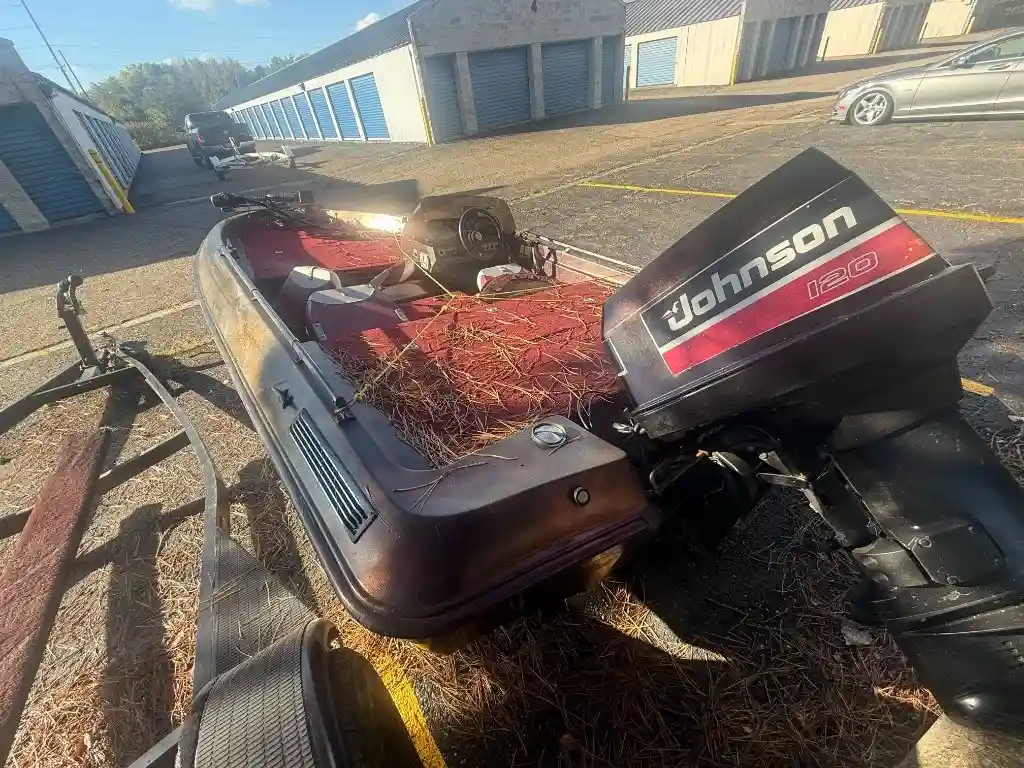
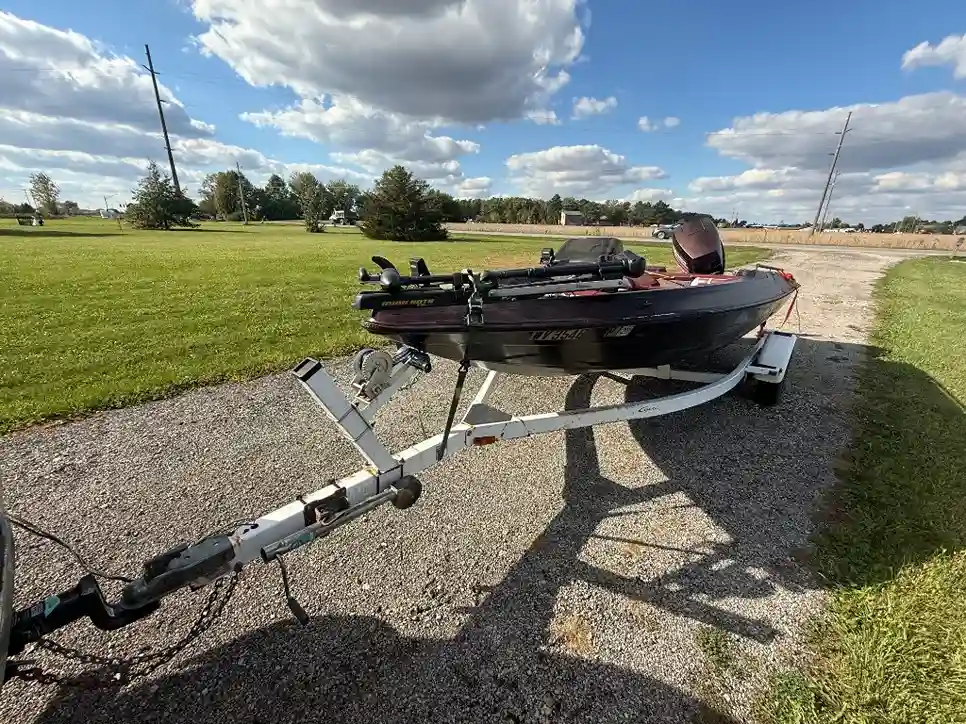
Once hauled away, vessels are processed for final scrap, recycling, and disposal. Crews stage equipment, secure the hull, and pull the unit off the property in several typical scenarios:
- A boat that sits unused in a slip or on a trailer.
- An old powerboat or sailboat damaged beyond repair.
- An abandoned or derelict vessel left at a marina or on private land.
- A vessel blocking access or creating a safety issue on the water.
- A boat where the owner simply wants it gone.
- FAQ
Service Questions
Get answers to common questions about boat removal in Florida.

Request a project-specific removal quote
Send current vessel and access details for a project-specific estimate. The quote request is free, but the work is not automatically free. You can also call (904) 946-4709, or use the contact page to share safe photographs, the exact location, and your authorization details.
When fixing or selling an old vessel is no longer practical, hauling it away is the remaining option. Disposal service does not cover engine repairs, title transfers, or brokering sales; it covers complete physical removal. Describe the craft, state its location, and send photos to get an estimate. The crew handles all loading and transport from there.