
Boat removal and disposal in St. Augustine Beach, FL

- The Florida Spirit
Boat removal service in St. Augustine Beach
A boat that no longer runs, floats, or has a purpose becomes a problem fast. It takes up driveway or storage space, collects water, and the trailer under it may be in worse shape than the hull. Florida Boat Services reviews boat removal requests across Florida, including requests tied to St. Augustine Beach in St. Johns County. We have no local office in the city, and availability is confirmed project by project.
The service is for unwanted, damaged, non-running, or end-of-life boats. Depending on what the quote confirms, the work may include loading, dismantling, hauling, trailer handling, and disposal. If you are searching for how to get rid of a boat, the first question is not where it goes. It is what the boat is, where it sits, who has authority to release it, and how a vehicle or crew could reach it safely.
A typical preparation scenario
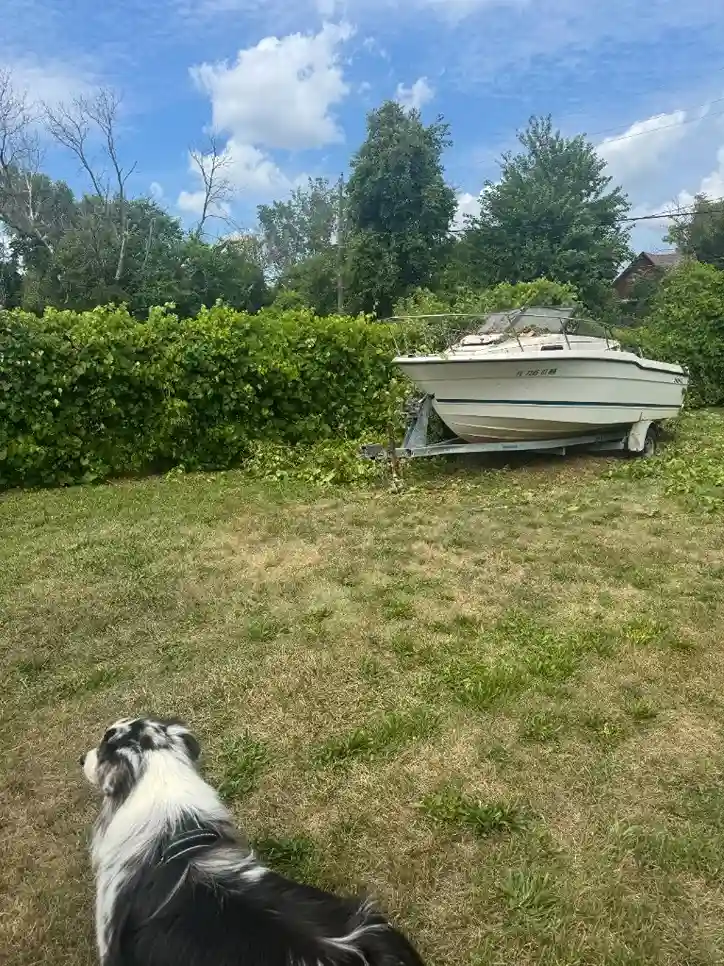
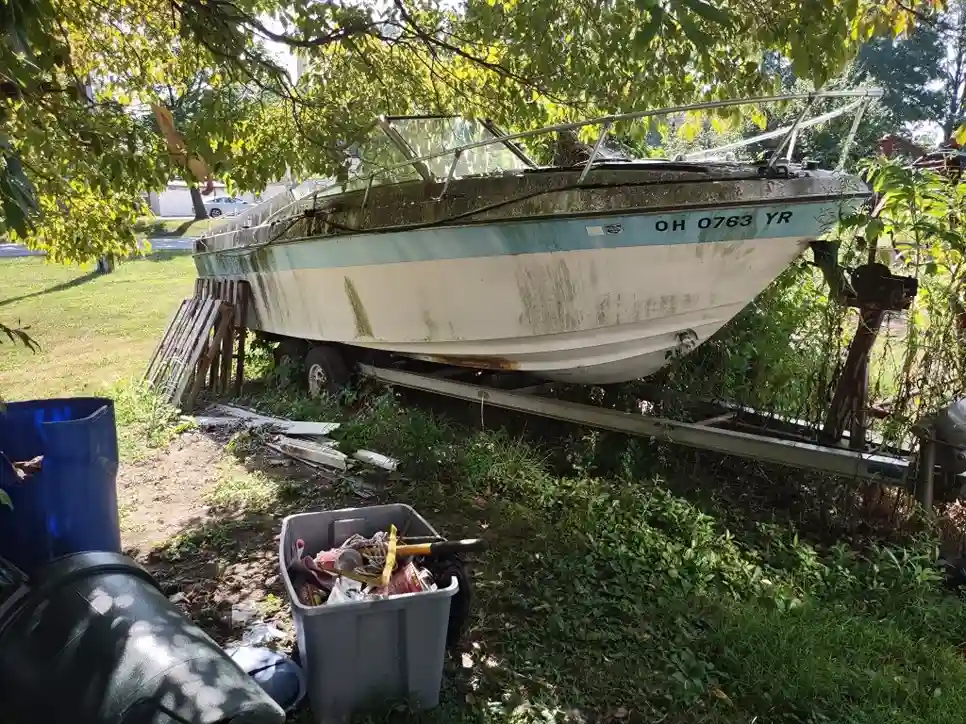
Picture a fiberglass center-console on a worn trailer in a side yard, behind a fence, or in a storage lot. The tires may be flat, the hitch may be seized, and the cover may have failed. Several things then need sorting out before anyone schedules work:
- Whether the trailer is part of the removal or needs to stay.
- Whether the route to the street is clear of gates, low branches, soft ground, or parked vehicles.
- Whether the engine, fuel, batteries, or loose contents must be dealt with first.
- Whether the person asking is the owner or an authorized representative.
Those answers shape the removal scope more than the boat's length alone does.
Land or accessible-marina removal versus submerged recovery
These are different projects. Ordinary removal covers a vessel that can be reached on land, on a trailer, or at an accessible dock or marina location, where the main questions are loading, hauling, and disposal. A sunken or partly submerged vessel is a recovery project, and the quote has to address recovery requirements before removal and disposal can be defined. Salt Run is one waterway in the St. Augustine Beach area, but a nearby waterway does not mean a given location is accessible or that we serve it. Tell us the exact location and we will review it.
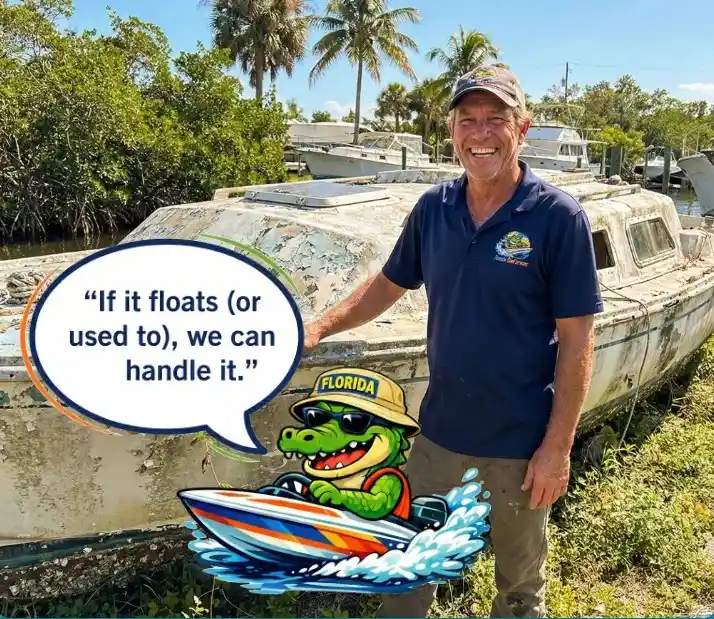
- All Vessel Types
Boat disposal scope
Boat disposal is not one fixed step. A small aluminum skiff, a fiberglass runabout, a personal watercraft, and a sailboat with a mast and standing rigging each raise different handling questions. A request for fiberglass boat disposal or sailboat disposal should say what the vessel is made of, what is still attached, and whether it can be moved in one piece or has to be dismantled where it sits.
We do not name a disposal destination, equipment type, crew size, or completion time before a project is reviewed. Those depend on the facts of the job. What the quote should do is state which parts of the work are included, so you are not guessing.
Details that affect the estimate
Anyone asking about boat disposal cost should know that pricing is project-specific. We do not publish flat prices. These factors move the number:
- Size and condition: length, beam, weight, hull material, and whether the hull is intact, rotted, cracked, or waterlogged.
- Trailer status: whether there is a trailer, whether it rolls, and whether it goes with the boat.
- Location and access: the route in and out, gate widths, surface conditions, and any tight turns.
- Equipment needs: what loading or lifting the vessel realistically requires.
- Recovery requirements: relevant only if the vessel is submerged or partly submerged.
- Transport and disposal: distance, handling, and what disposal is included.
For property managers, marinas, and storage facilities
If a vessel is sitting on managed property, the request should come with the site contact, any facility rules, the authorization to remove it, and a full list of items. Add anything that must stay and anything that has to leave before work begins. Hauling hours, insurance paperwork, and vehicle restrictions are the kind of site rules that should be raised at the start. If several boats or trailers are involved, list each one separately, because condition and access can differ from one to the next.
The same applies to junk boat removal on a residential lot. Keep the agreed access route clear, and do not move the boat or trailer in a way that could cause damage or injury. If the vessel is unstable, leaking, or near the water, say so and send photographs from a safe distance.
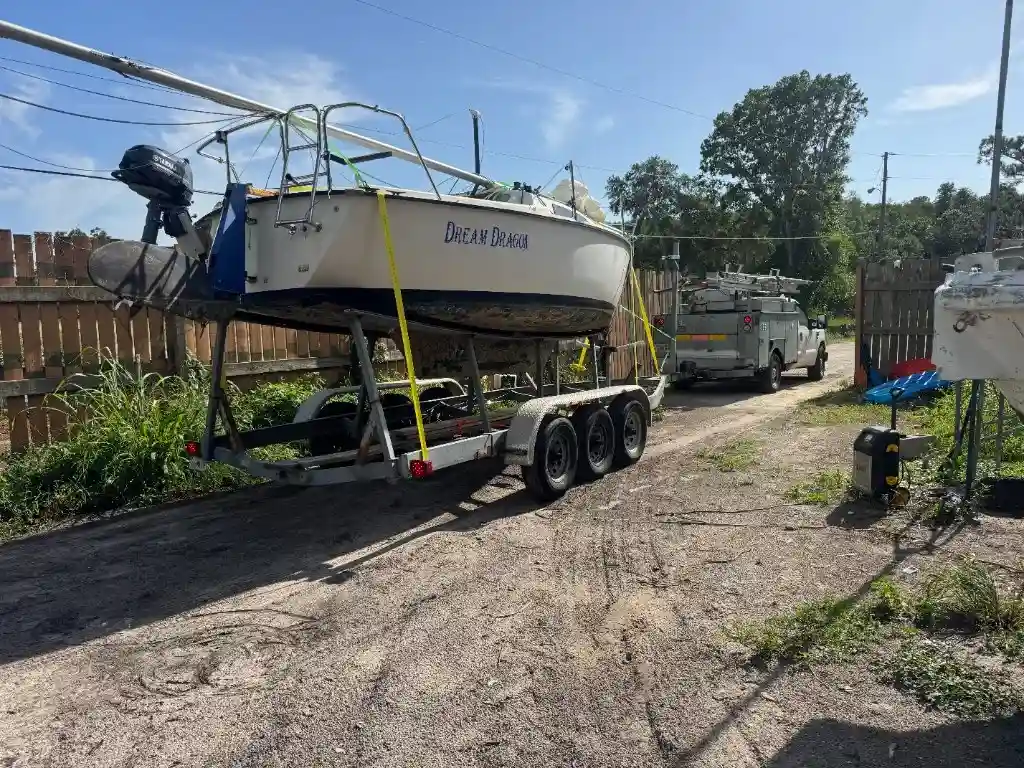
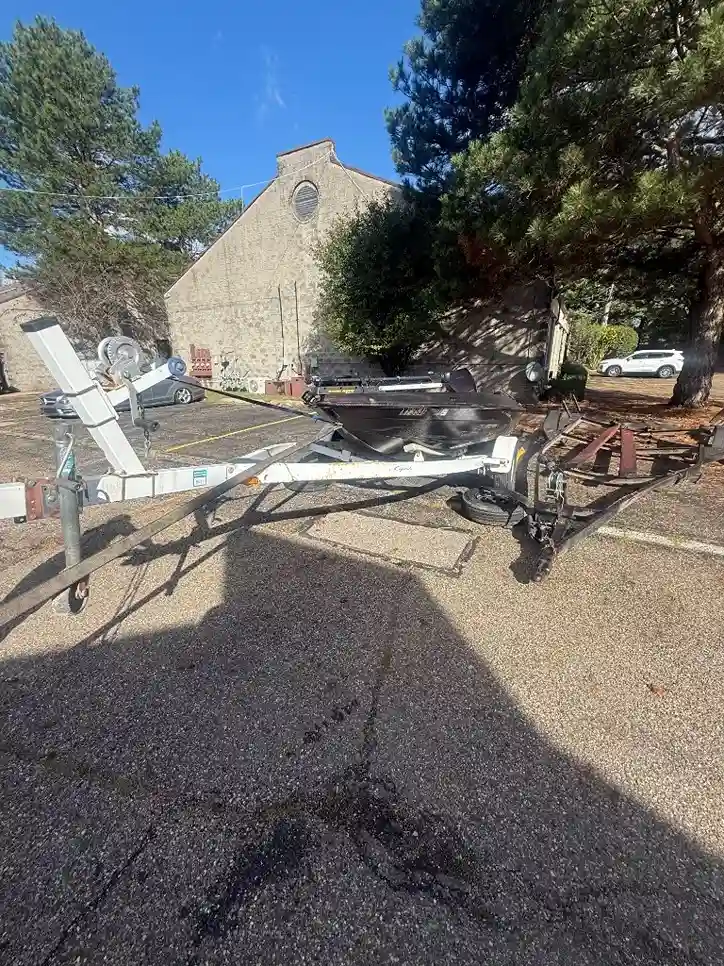
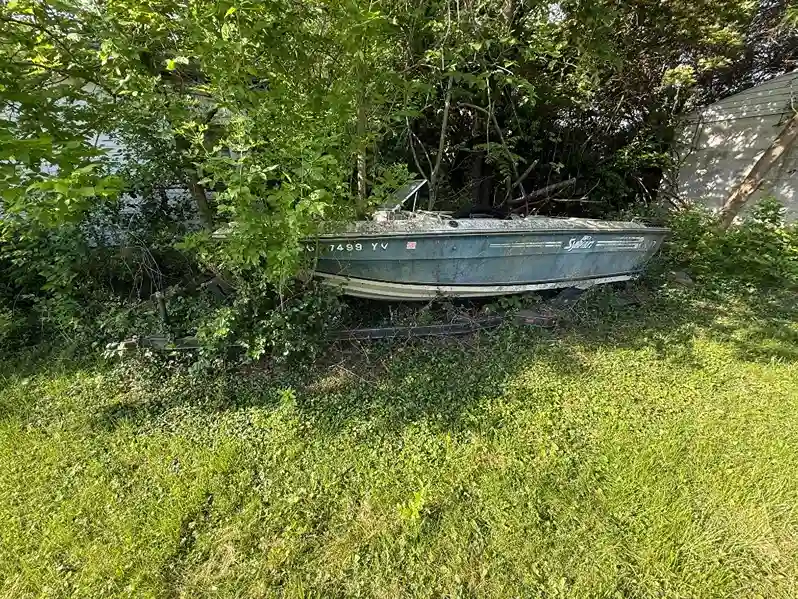
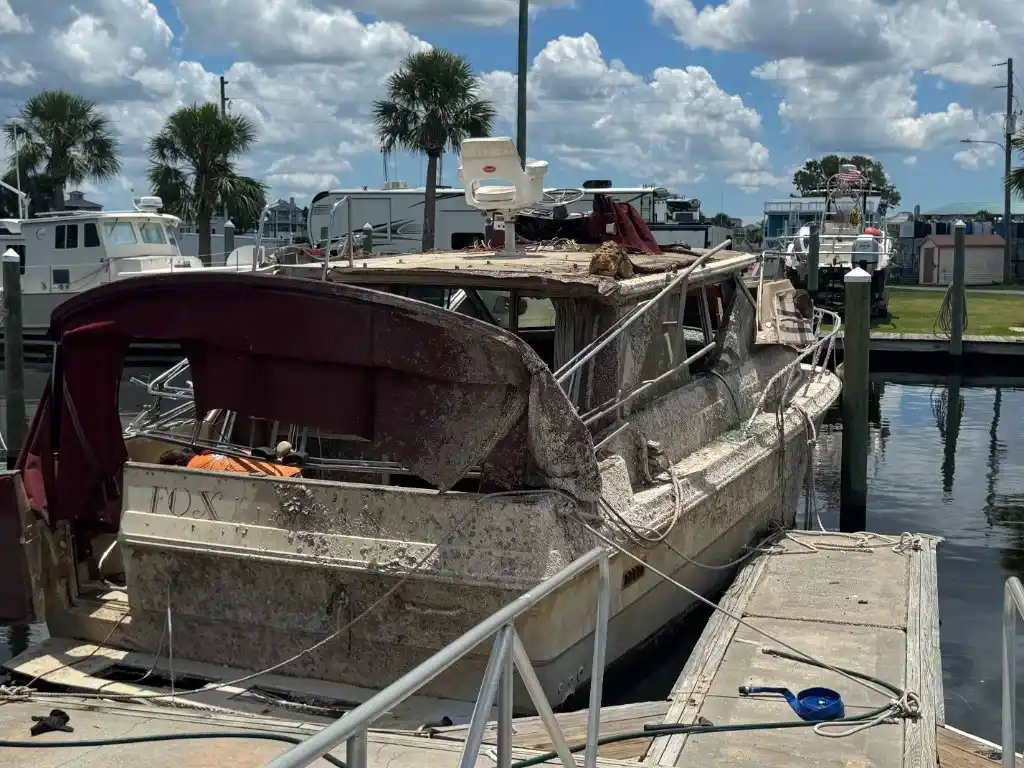
Request a boat removal quote
The quote request is free. Removal, recovery, transport, and disposal are not automatically free, and we do not buy vessels. Send current details through our contact page for a project-specific quote and include:
- The vessel type, such as powerboat, sailboat, pontoon, or personal watercraft, and its approximate dimensions.
- Its condition: running or not, damaged, rotted, sunk, or stored long term.
- Whether there is a trailer, and what shape it is in.
- The exact location, including whether it is on private land, in storage, at a dock, or in the water.
- Who owns the vessel or who is authorized to have it removed.
- Access details, such as gates, driveway surface, overhead limits, and site restrictions.
- Safe photographs showing the whole vessel, the trailer, the hull condition, and the access route.
Take photographs only from places that are safe to stand. Do not climb onto a damaged hull or reach into the water for a better angle.
With that information we can review access, decide whether the job is land removal or recovery, and define which of loading, dismantling, hauling, trailer handling, transport, and disposal belong in the estimate. We confirm availability before scheduling. If you are comparing other areas, see our Florida service areas or the pages for Boat Removal & Disposal in St. Augustine South and Boat Removal & Disposal in Butler Beach. You can also start from the Boat Removal & Disposal service overview.
Common Removal Situations
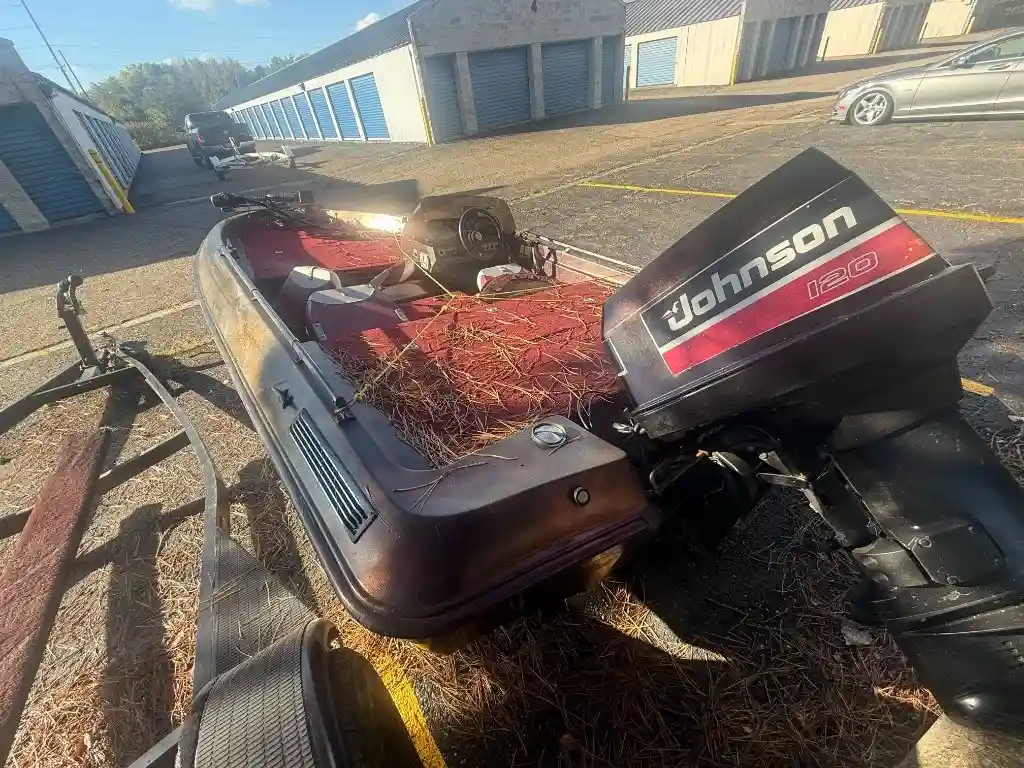
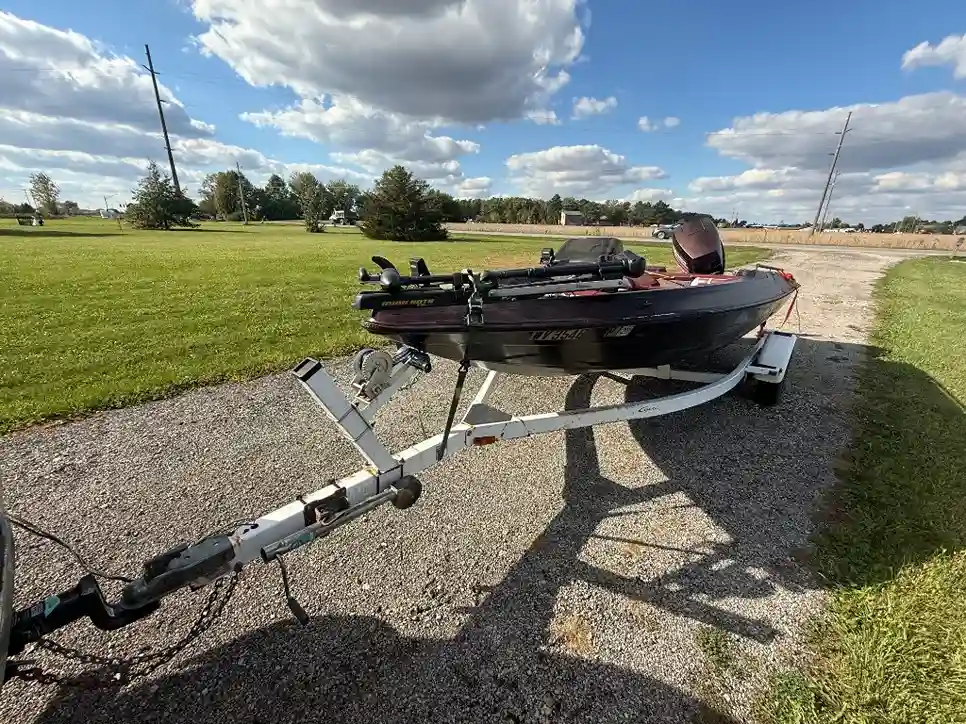
Reclaiming a clear yard, freeing up a slip, or eliminating a liability starts with hauling away the vessel taking up space. Loading and hauling the hull clears the property completely.
- Boats sitting unused for years that no longer run
- Rotted fiberglass hulls or old sailboats damaged beyond repair
- Abandoned or derelict craft at marinas or on private land
- Vessels blocking access or creating safety hazards along docks
- Owners who simply want the unwanted vessel off their hands
- FAQ
Service Questions
Get answers to common questions about boat removal in Florida.

Request a project-specific removal quote
Send safe photographs and accurate vessel, ownership, location, and access details for a project-specific estimate. The quote request is free, but the work is not automatically free. You can also call (904) 946-4709 to ask about your request.
Hauling a vessel requires heavy tow rigs and specialized rigging that most owners do not own. Whether dealing with a fiberglass hull on a flat trailer, a personal watercraft blocked in a yard, or a vessel stranded in the water, send photos and describe the site to get an estimate before work begins. The crew handles the rest.