
Boat removal and disposal in Sawgrass, FL

- The Florida Spirit
Boat removal service in Sawgrass
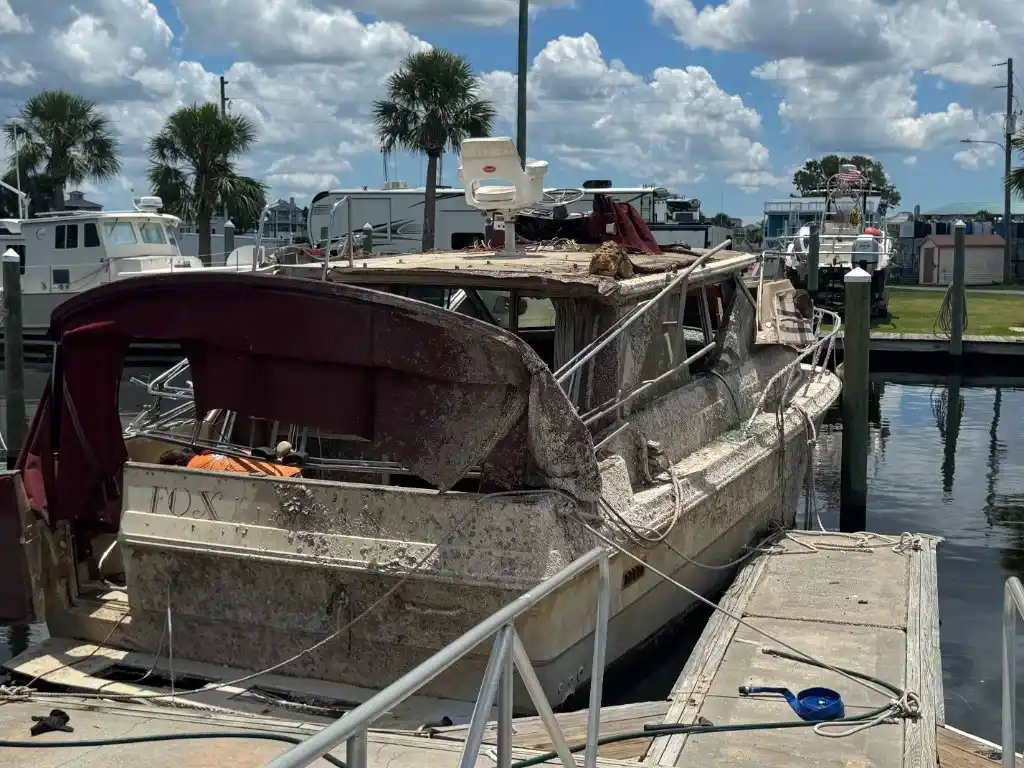
Most boat removal requests begin with a vessel that has stopped being useful. It may be a non-running fishing boat beside a garage, a sailboat that has outlasted its owner's plans, or a trailer with flat tires and a rotted frame that no one wants to move. This page explains how a boat removal service request is prepared for Sawgrass, a community in St. Johns County, so the quote reflects the real job.
Florida Boat Services reviews boat-removal and marine-removal requests throughout Florida. There is no local office implied here, and availability for a specific Sawgrass address is confirmed project by project after the details are reviewed.
Conditions that are reviewed
Removal can apply to unwanted, damaged, non-running, or end-of-life boats and personal watercraft. Junk boat removal usually involves one or more of these situations:
- A powerboat or PWC that no longer runs and is not worth restoring
- A hull with soft decking, storm damage, or structural problems
- A boat stored on a trailer, on blocks, or in a cradle that has become a burden
- A vessel occupying managed property where the owner or manager needs a clear removal plan
Land removal versus submerged recovery
A boat sitting in a driveway, side yard, storage lot, or accessible marina space is an ordinary removal question. Access, loading, and hauling are the main variables. A vessel that is partly or fully underwater is a different job. Recovery has to be planned before any removal, and the vessel's position, water access, and condition all affect what is possible. Sawgrass is near waterbodies such as the Tolomato River, but a nearby river does not mean a given project can be handled the same way as a dry-land pickup. If your vessel is sunk or partly submerged, say so plainly in your request.
- All Vessel Types
Boat disposal scope
Boat disposal is more than hauling something away. Before a quote is final, the removal scope should say which steps are included. Depending on the project, these can include loading, dismantling, hauling, trailer handling, transport, and disposal. None of them is assumed until it is confirmed in the quote.
How vessel type changes the plan
Fiberglass boat disposal often depends on hull length, weight, and whether the boat can be moved intact or has to be dismantled on site. Sailboat disposal adds questions about the mast, rigging, keel, and cradle or stands. A small PWC on a working trailer is a very different task from a damaged cabin cruiser with a failed axle. Specific equipment, crew size, and disposal destination are decided only after the project is reviewed, so none of those details appear on this page as promises.
Factors that shape a project-specific estimate
People searching for boat disposal cost usually want a number. Pricing here is project-specific, and no flat rate is published, because the same boat type can need very different work. The factors reviewed include:
- Size and weight of the vessel
- Condition, including damage, water intrusion, and structural soundness
- Exact location and how close a truck or trailer can get
- Equipment needs for loading or lifting
- Trailer condition, or whether there is a trailer at all
- Recovery requirements if the vessel is in the water or submerged
- Transport distance and disposal scope
The quote request is free. Removal, recovery, transport, and disposal are not automatically free, and the quote should say what is covered so there are no surprises about scope.
Access and preparation
If you are wondering how to get rid of a boat that is stuck in a tight spot, start with the access route. Note gates, narrow side yards, soft ground, low branches, overhead lines, and community or facility rules. Before work begins, the agreed route should be kept clear, and it should be settled what must stay on the property and what must leave. Personal items, fuel, batteries, and loose gear should be sorted out ahead of time, with the quote confirming how any of them are handled.
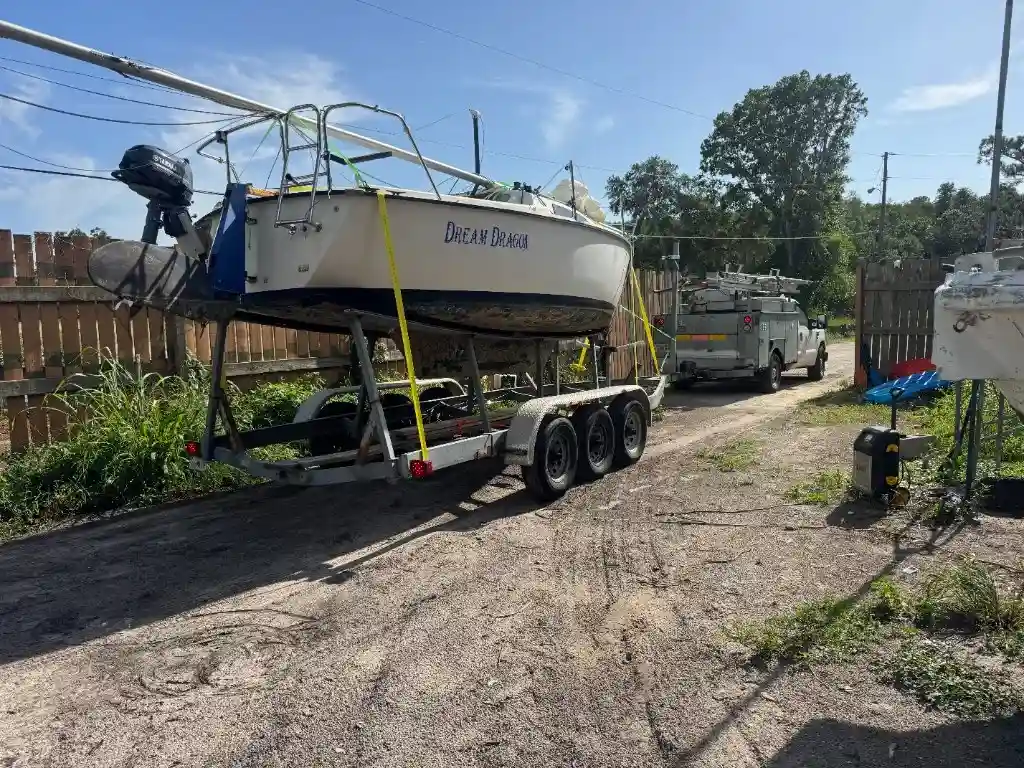
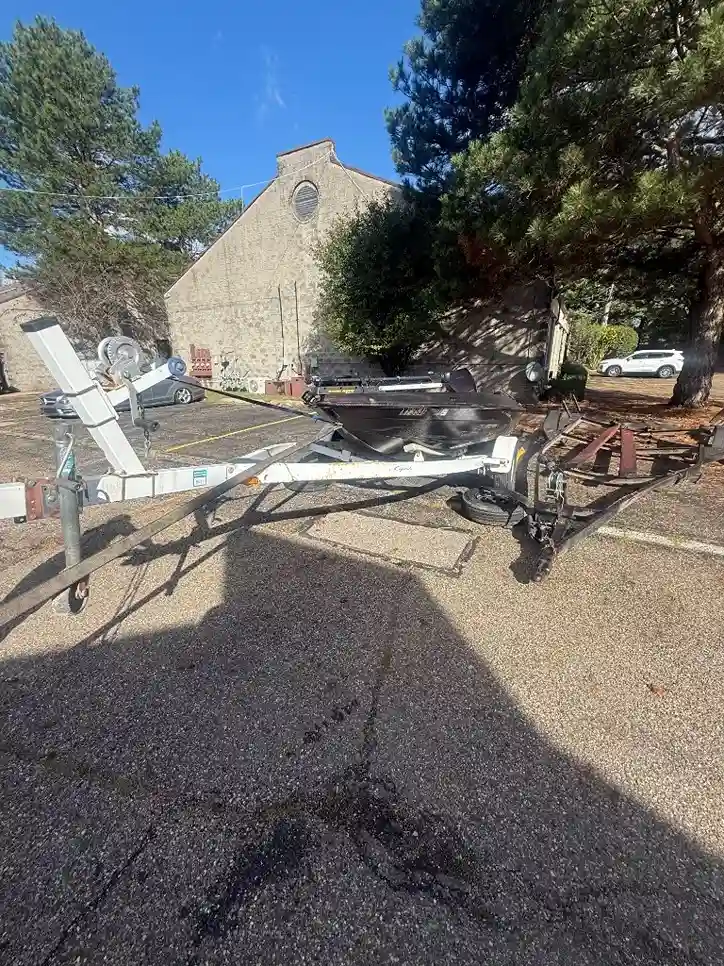
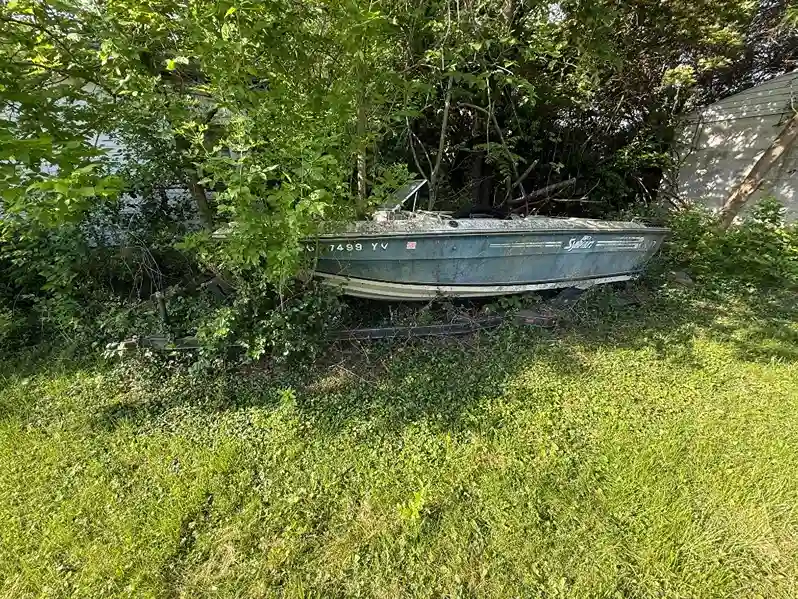
Request a boat removal quote
A useful request is specific. Use the contact page to request a project-specific quote and include as much of the following as you can:
- Vessel type and size: boat, sailboat, or PWC, with approximate length and any known weight.
- Condition: running or not, visible damage, rot, water in the hull, or signs it may be sinking.
- Trailer status: whether a trailer is present, whether it rolls, and its tire and axle condition.
- Exact location: the street address or site, and whether the boat is on land, at a marina, or in the water.
- Authorization: who owns the vessel or is authorized to approve removal, with any title or registration details you have.
- Access details: gates, restrictions, tight turns, and the route a truck would need.
- Safe photographs: several angles taken from solid ground. Do not climb onto an unstable vessel or enter the water to take them.
For property managers and facility representatives
If a vessel is on managed property, include the site contact, any facility restrictions, proof of your authority to approve removal, and a complete list of every item to be removed. Clarifying who is responsible for disposal at the start prevents delays later. Marinas and storage facilities should also note loading areas and any hours or insurance requirements the site imposes.
What happens next
Once your details arrive, access is reviewed and the scope is defined. That means deciding which of loading, recovery, dismantling, hauling, trailer handling, transport, and disposal are included, and whether availability can be confirmed. Scheduling follows only after that.
You can also browse the Boat Removal & Disposal service hub or the full list of Florida service areas. If your boat is closer to another community, separate pages exist for Boat Removal & Disposal in Nocatee and Boat Removal & Disposal in Neptune Beach. Listing a place on a page does not confirm that a particular job there is available, so each request is reviewed individually.
Common Removal Situations
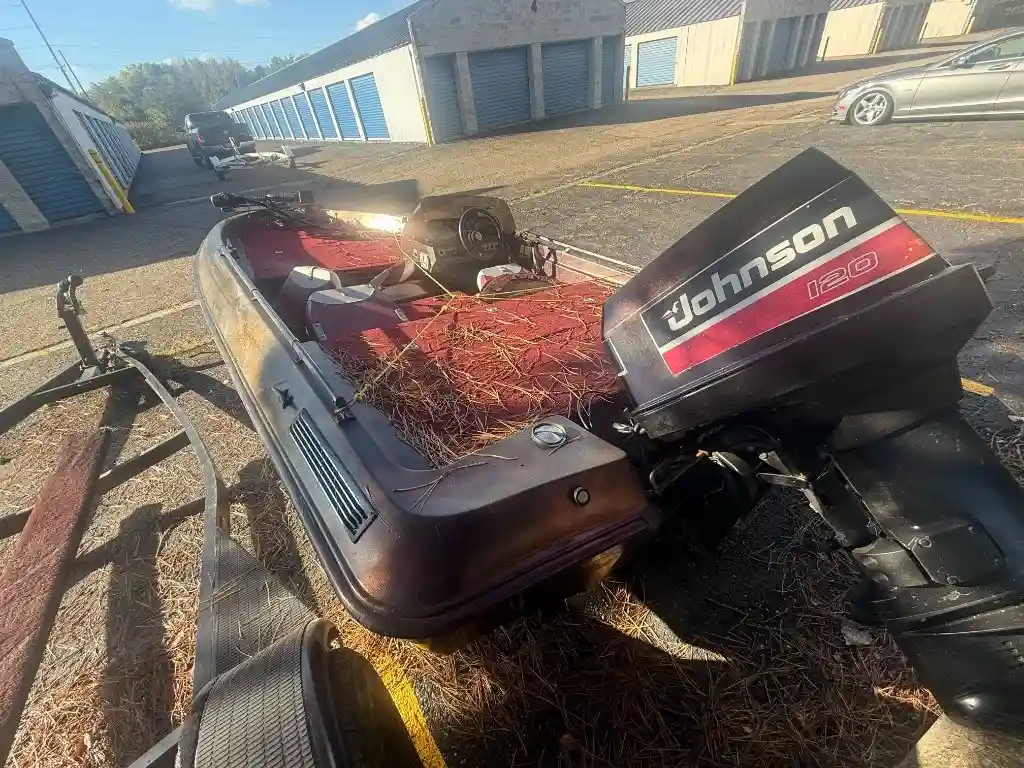
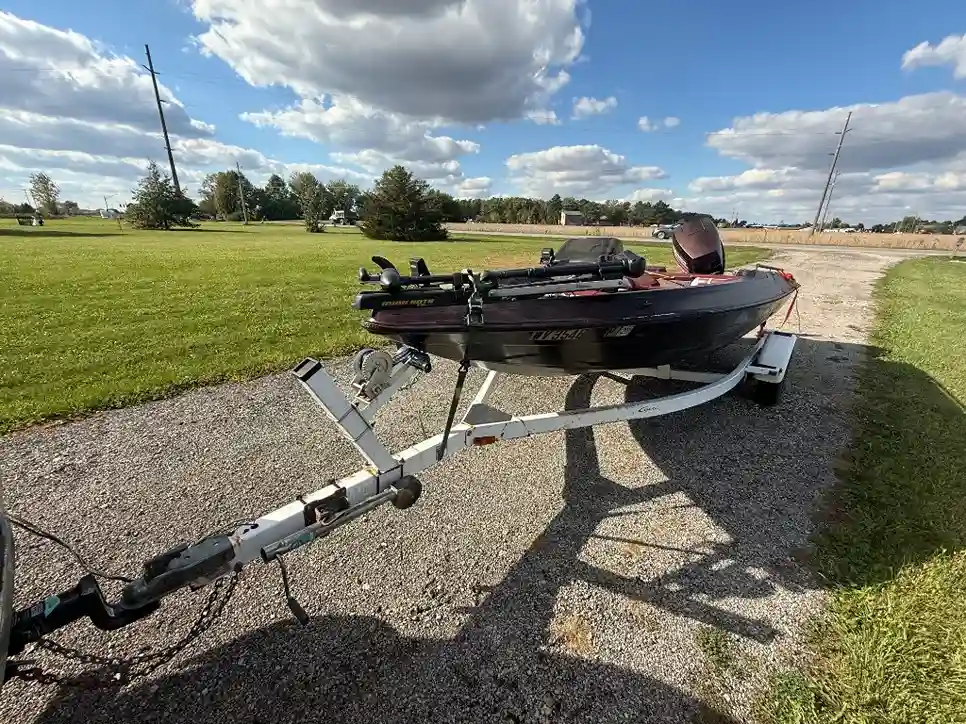
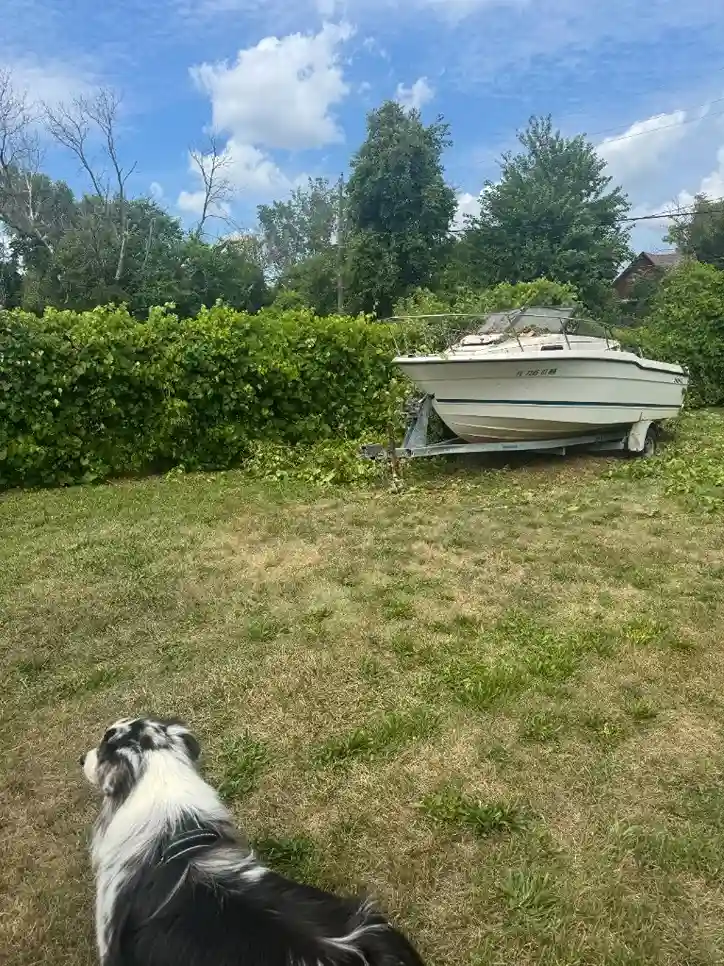
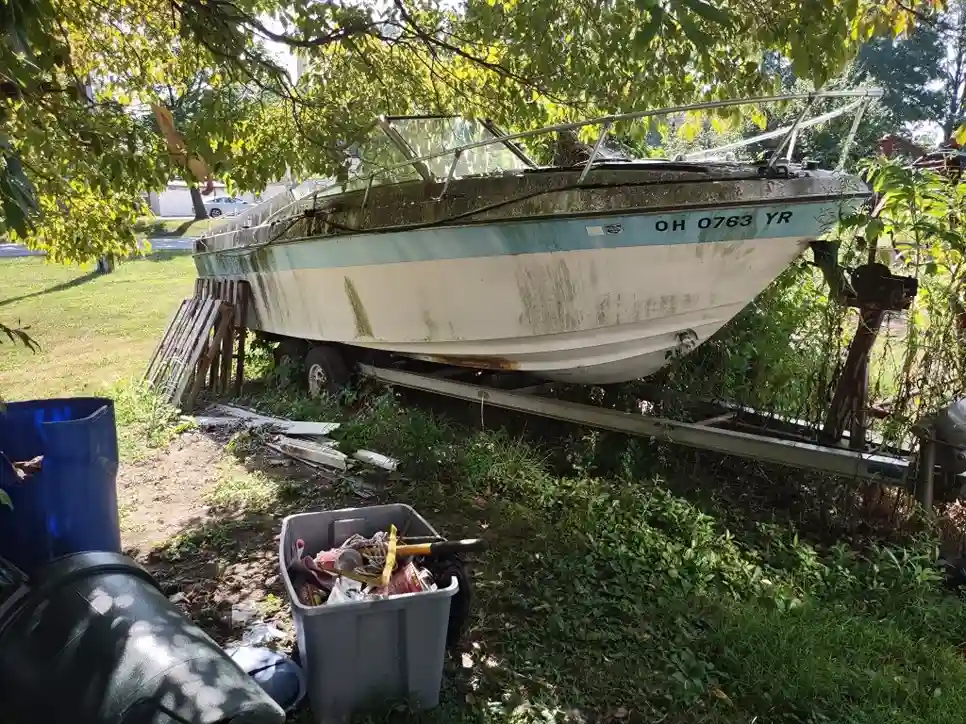
Once loaded, vessels are hauled directly to authorized transfer stations or processing facilities for complete teardown and disposal. Crews winch, lift, or tow the unit off the site depending on where it sits. Typical removal situations include:
- Boats that sit unused and taking up space
- Old powerboats or sailboats damaged beyond repair
- Abandoned or derelict vessels at marinas, yards, or private property
- Vessels blocking water access or creating hazardous conditions
- Owners who simply need an unwanted craft cleared out
- FAQ
Service Questions
Get answers to common questions about boat removal in Florida.

Request a project-specific removal quote
Send current vessel, ownership, location, and access details with safe photographs. The quote request is free, but removal work is not automatically free. Questions can also be directed to (904) 946-4709.
Deciding whether to repair, sell, or remove a boat comes down to practicality. We do not buy, restore, or broker vessels; we only handle complete removal and disposal. Describe the boat, state where it sits, and send a few photos. You will receive an estimate before work starts, and the crew handles the rest.