
boat removal and disposal in Floral City, FL

- The Florida Spirit
Boat removal service in Floral City
Floral City is an unincorporated community in Citrus County, and many boat-removal questions here begin the same way: a vessel has been sitting longer than anyone planned, and the owner needs a clear way to deal with it. It might be a fiberglass runabout under a carport, a sailboat on a trailer beside a barn, or a pontoon boat whose deck has softened after years of weather. A defined removal plan starts with the facts about the boat and the property, not guesswork.
Florida Boat Services reviews boat-removal requests throughout Florida. This page covers Floral City, but it does not imply a local office or guaranteed availability here. Availability and final scope are confirmed for each project after the details are reviewed.
Boat removal generally applies to unwanted, damaged, non-running, or end-of-life vessels. Depending on what the quote confirms, the work may include loading, dismantling, hauling, trailer handling, and disposal. We do not buy boats, repair them, rent them, or accept them as donations, and towing is not offered as a stand-alone service.
A realistic preparation scenario
Picture a boat stored on a rural lot, parked behind a shed, with a trailer that has flat tires and a tongue sunk into the grass. The owner assumes someone can simply hook up and leave. Those answers can decide whether the job is a straightforward haul or a more involved dismantling and loading task.
For context only, state wildlife officials list public boat ramps on the Tsala Apopka Chain of Lakes in the Floral City area. Those listings are not a statement that any ramp is open, suitable, or used for our work. If your vessel is near water, say so in your request so access can be reviewed on its own merits.
Land removal versus submerged recovery
A boat sitting on dry ground or in an accessible storage area is a different project from one that has sunk or partly sunk. Submerged-vessel recovery adds questions about depth, position, fuel or fluids, shoreline access, and what must happen before the hull can be moved. Please tell us plainly which situation you have. If the vessel is in the water, share only safe photographs taken from solid ground, and never enter the water or climb onto a damaged hull to get them.
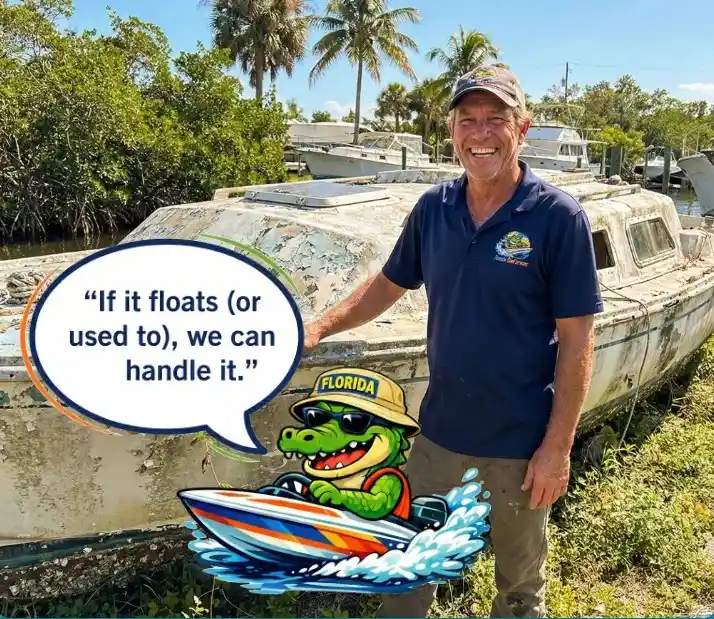
- All Vessel Types
Boat disposal scope
Disposal is not one fixed step. For a small fiberglass boat that is intact and loadable, the scope may be simple. For a larger sailboat with rigging, a keel, a cradle, or a failing trailer, disposal can involve taking things apart first. Because of that, the quote should spell out what is included instead of leaving it as an assumption. We do not name a disposal destination, equipment, crew size, or completion time before a project is reviewed.
What to gather before you ask
- Vessel type and size: boat, sailboat, pontoon, jet ski or other PWC, with approximate length and width.
- Condition: running or not, holes or rot, missing parts, signs of water inside, and whether the boat can be moved intact.
- Trailer status: whether a trailer exists, whether it rolls, tire and axle condition, and whether the trailer is leaving too.
- Exact location: street-level or site description, plus whether the boat is on land, at a facility, or in or near water.
- Authorization: confirmation that you own the vessel or are authorized by the owner or property to have it removed.
- Access details: gate widths, driveway surface, overhead lines or branches, soft ground, and any site rules.
- Safe photographs: overall views from several angles, the trailer, and the route a truck would have to travel.
For property managers and facilities
If a vessel is occupying managed property, include the site contact, any facility restrictions, your written authorization, and a full list of every item that needs to leave. Clarify who is responsible for clearing the access route and what must stay in place. Leaving a stray dock box or a second trailer off the list is a common reason for scope changes later.
Before work begins
Keep the agreed access route clear. Confirm in advance what must remain on the property and what is leaving. Once access has been reviewed, the quote should define which of loading, recovery, dismantling, hauling, trailer handling, transport, and disposal are covered before anything is scheduled.
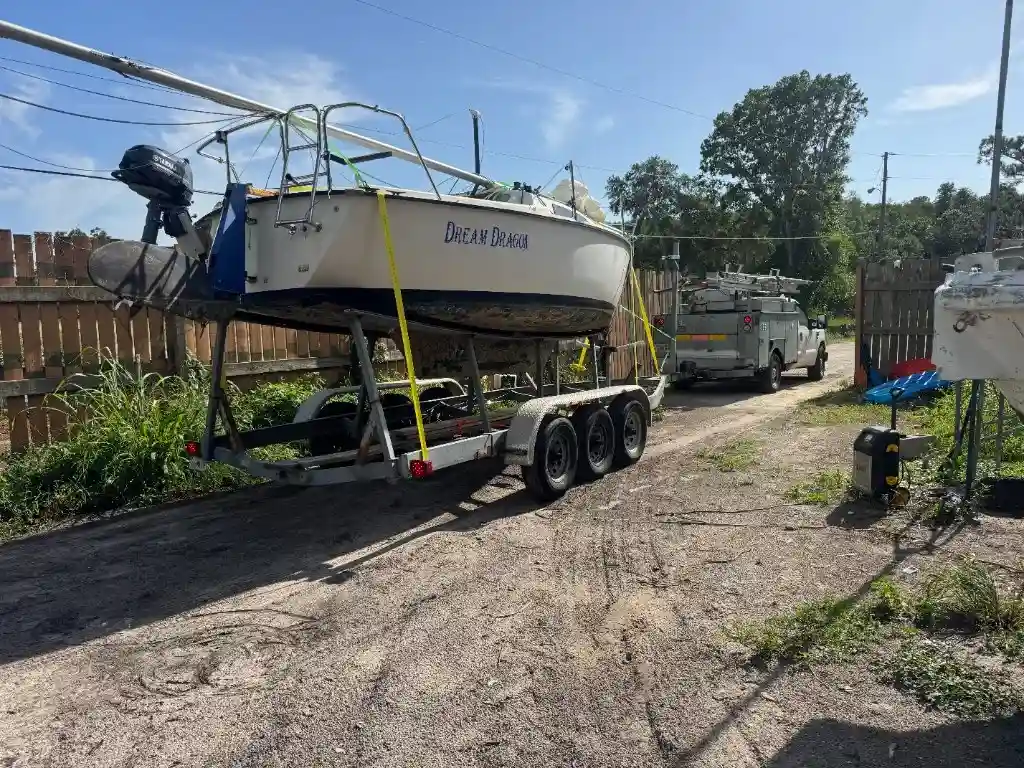
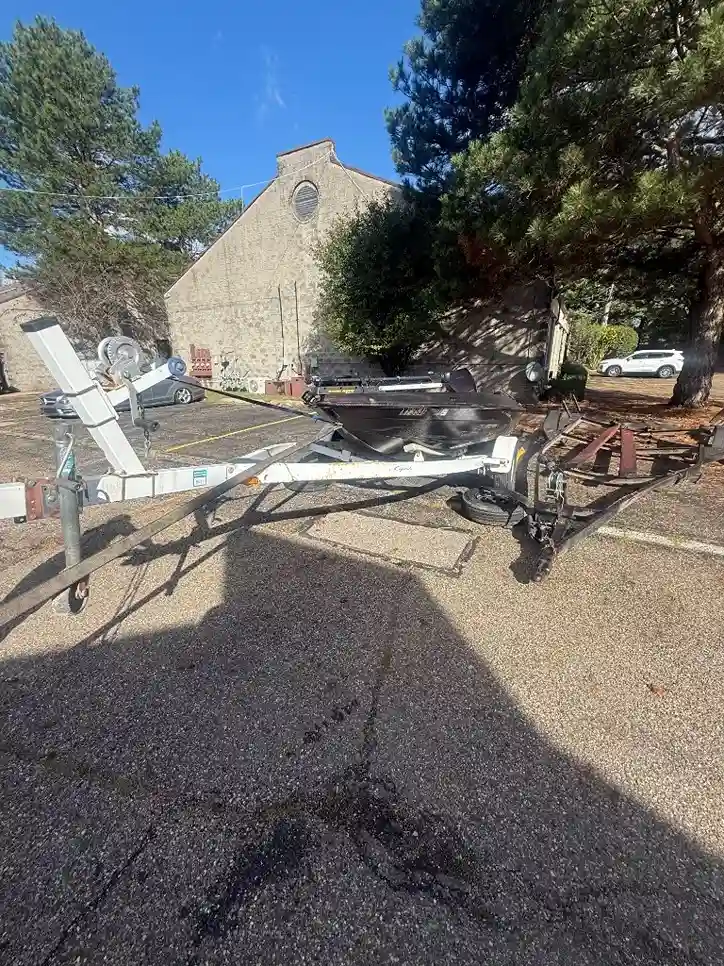
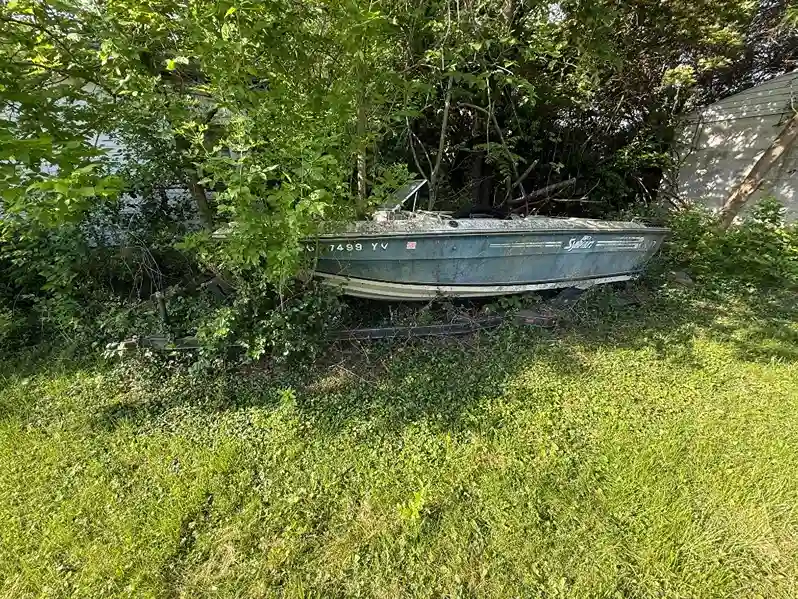
Request a boat removal quote
The quote request is free, but removal, recovery, transport, and disposal are not automatically free. Pricing is project-specific. It depends on the boat's size and condition, its location, how hard it is to reach, the equipment the job requires, the state of the trailer, any recovery needs, transport, and the disposal scope. Anyone searching for boat disposal cost or how to get rid of a boat should expect a range of outcomes, because a light boat in an open yard and a waterlogged hull behind a locked gate are not the same job. We do not publish flat prices or promise schedules.
A useful estimate should state what is included, what is not, and which access conditions it assumes. If something about the site changes, such as a blocked gate or a trailer that will not roll, the scope may need to be revisited.
The safest next step is to request a project-specific quote with your vessel details, ownership or authorization, exact location, access notes, and safe photographs. You can also review the main Boat Removal & Disposal service hub or browse the Florida service areas to see how other locations are covered. If you are nearby, the pages for Boat Removal & Disposal in Inverness and Boat Removal & Disposal in Inverness Highlands South follow the same process, and availability is still confirmed individually.
Common Removal Situations
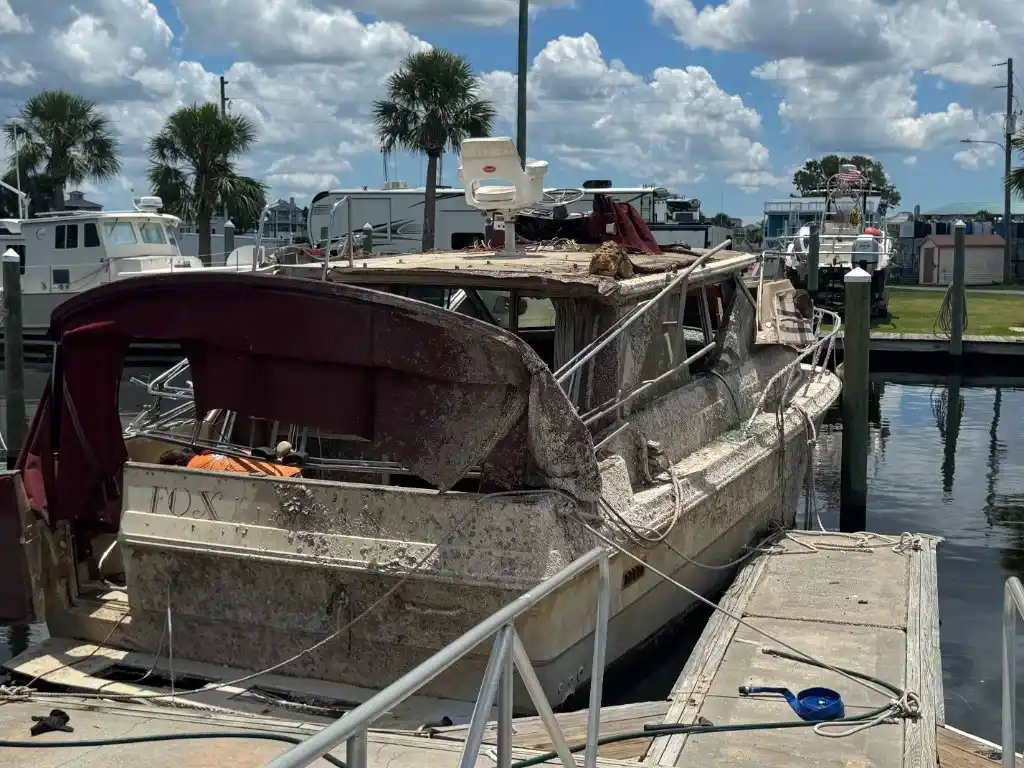
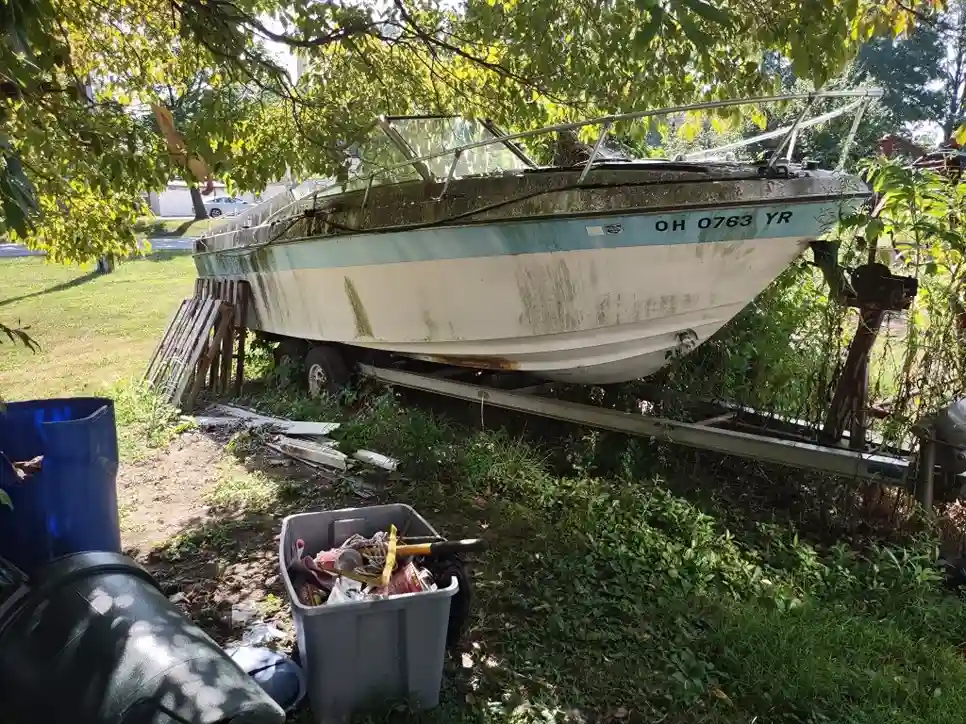
By the time a call comes in, the vessel is usually sitting flat on ground, taking on water, or resting on a rotted trailer.
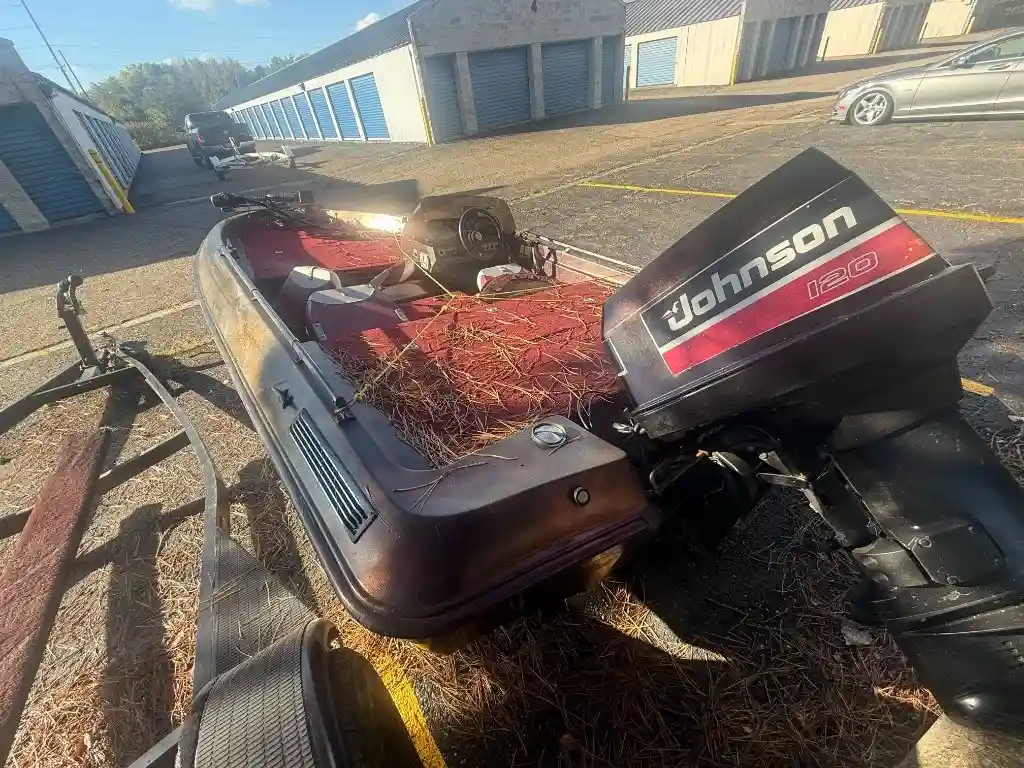
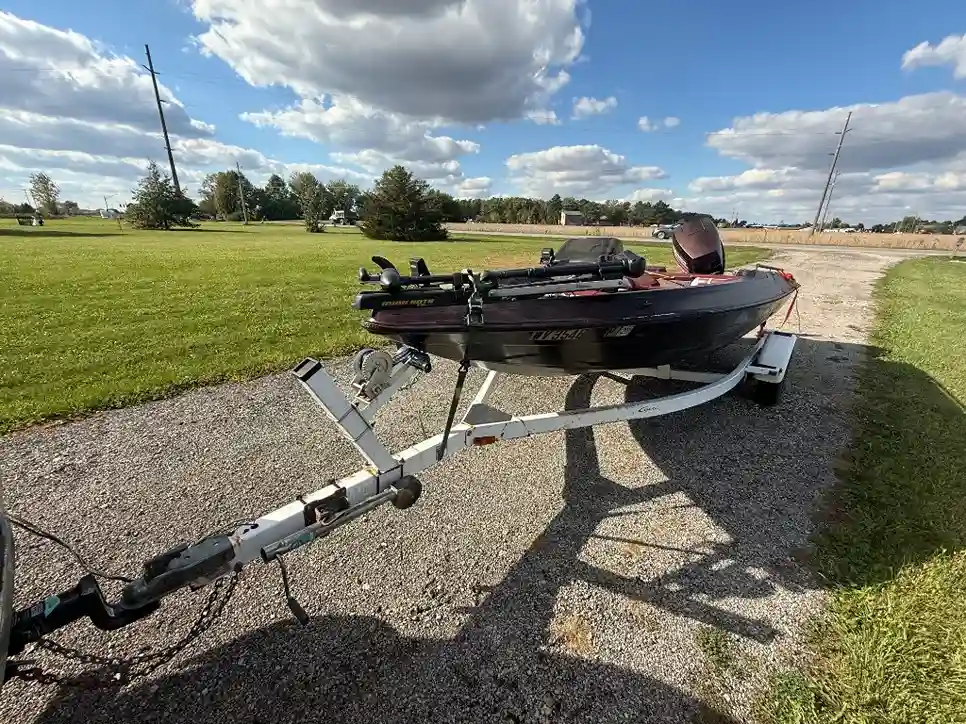
- Powerboats and sailboats beyond repair: Hull fractures, soft decks, or cracked blocks that make restoration impossible.
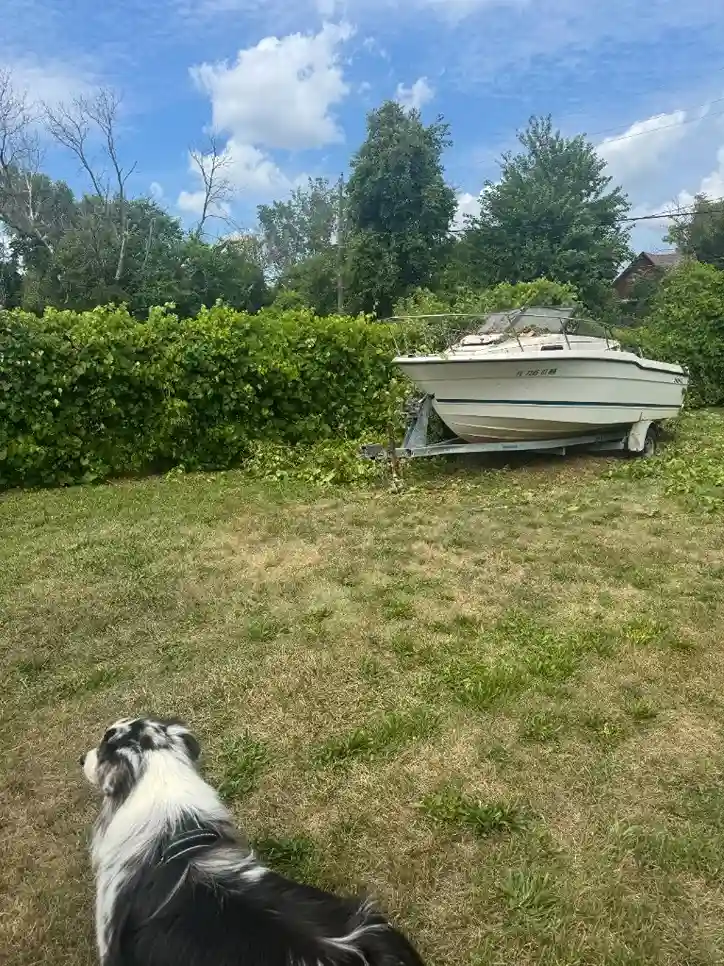
- Derelict and abandoned craft: Vessels left sitting in yards, on jack stands, or slipping behind at marina slips.
- Hazards and obstructions: Craft taking up dock space, blocking land access, or creating safety risks on the water.
- Unused inventory: Boats owners simply want hauled away to free up space.
- FAQ
Service Questions
Get answers to common questions about boat removal in Florida.

Ready to plan your Floral City boat removal?
Send current vessel and access details for a project-specific estimate through the contact page, or call (904) 946-4709. The quote request is free; the work is not automatically free, and availability is confirmed for each project.
Sunken hulls get pumped out, hauled away, and stripped for scrap, while intact boats on trailers are towed directly to a disposal facility. To get started, tell us what kind of vessel you have and where it sits. Send a few photos to get a quote before any work begins, and our crew takes it from there.