
Boat removal and disposal in Watertown, FL

- The Florida Spirit
Boat removal service in Watertown
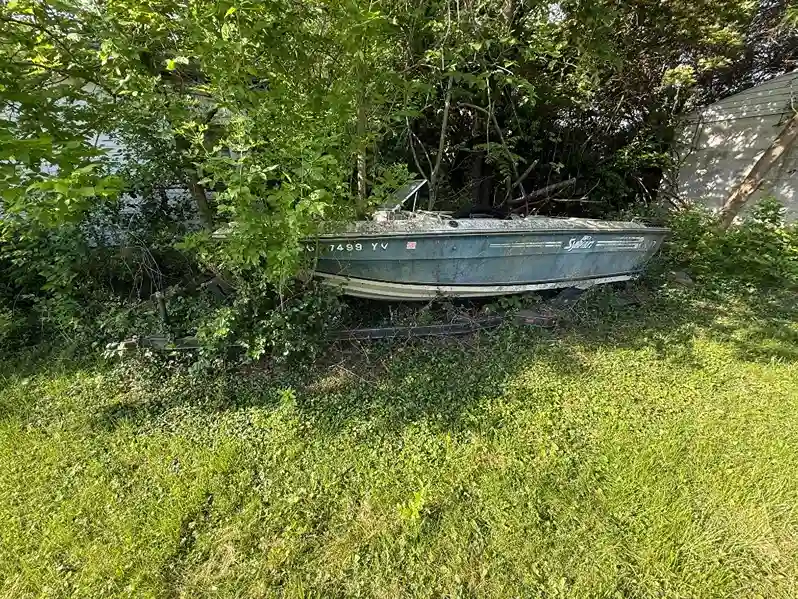
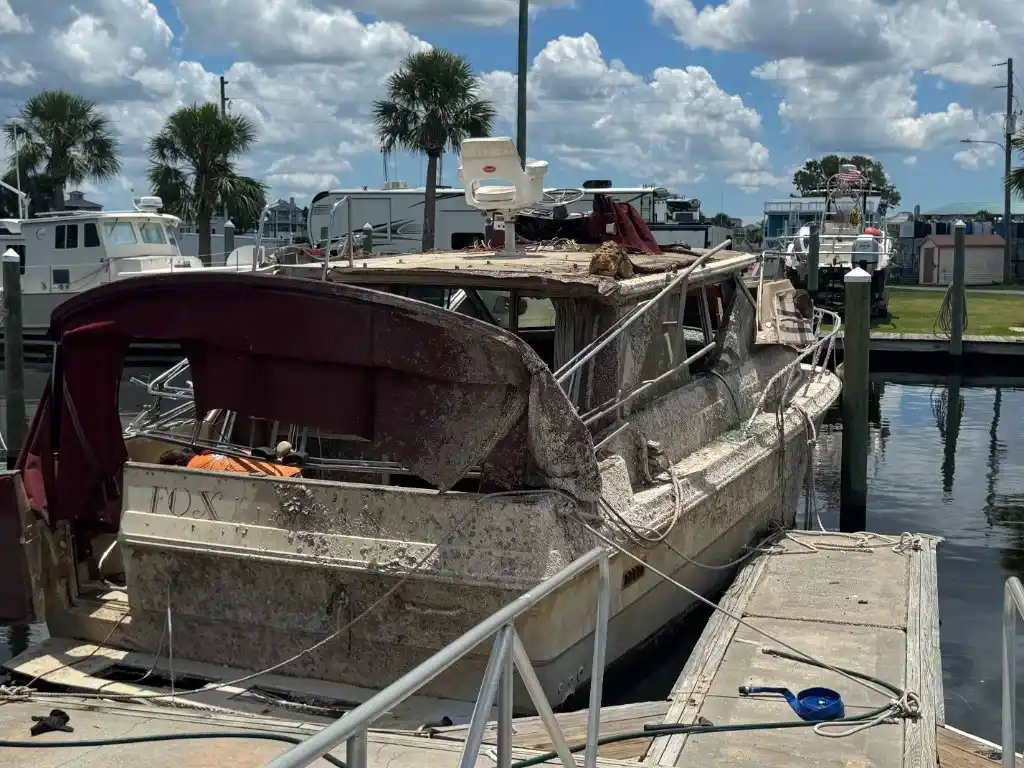
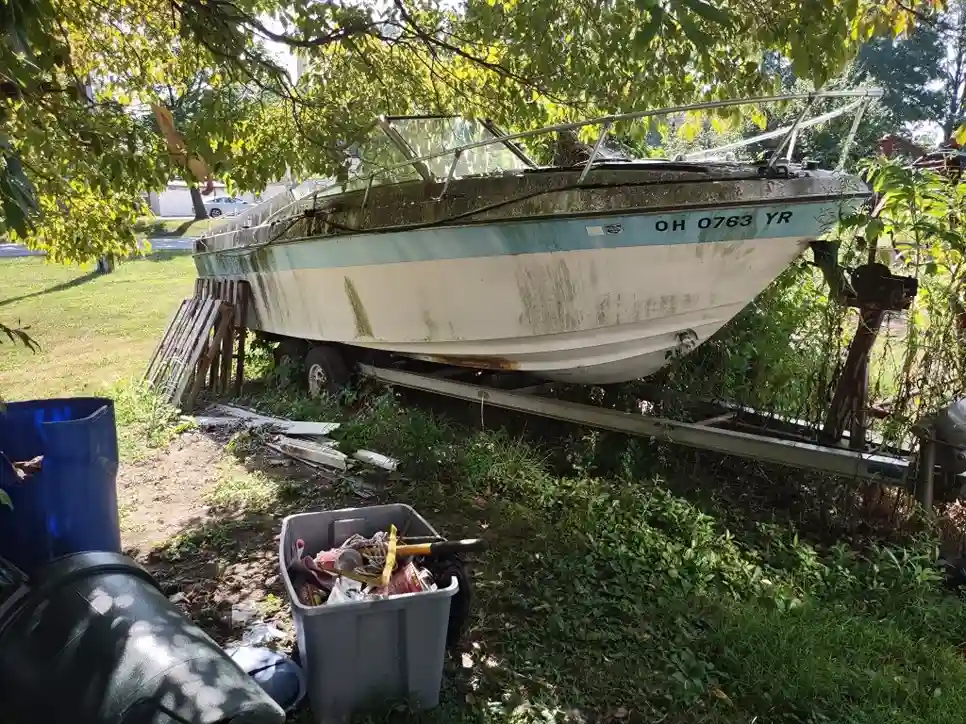
A boat that no longer runs, floats, or serves a purpose tends to become a property problem. It may sit on a trailer behind a barn, lean against a fence, or take up space on land that someone needs back. Florida Boat Services reviews boat-removal requests across Florida, including requests tied to Watertown in Columbia County. Availability and final scope are confirmed project by project, and this page does not imply a local office or guaranteed service in the area.
Boat removal here means a plan for an unwanted, damaged, non-running, or end-of-life vessel. Depending on what is confirmed in your quote, that plan may include loading, dismantling, hauling, trailer handling, and disposal. Not every job needs every step, which is why the details you send at the start matter so much.
Watertown is a small, largely inland community, and a few properties sit near Watertown Lake. For most owners, though, the practical questions are about the ground: Is the boat on a trailer? Can a truck reach it without crossing soft ground? Is a gate, narrow drive, or low tree limb in the way? A vessel near water can raise a different set of questions than one parked in a side yard, so the location description should be exact.
Ordinary removal versus submerged-vessel recovery
These are two different kinds of work, and the quote should treat them separately.
- Land or accessible-marina removal: the boat is out of the water, on a trailer, on stands, on the ground, or at a location where it can be reached for loading. The review centers on access, size, condition, and what has to be hauled.
- Submerged or partly sunk vessels: recovery comes first, and it adds questions about position, depth, surroundings, and what must be done before the vessel can be moved. Send photographs and a clear description, and the scope will be reviewed before anything is promised.
If you are unsure which category applies, say so plainly in your request. A short, accurate description is more useful than a guess.
- All Vessel Types
Boat disposal scope
Searching for ways to get rid of a boat or junk a boat usually leads to the same underlying question: what exactly happens to it after it leaves? The answer depends on the vessel and the project, and the disposal portion should be spelled out in the quote rather than assumed. Disposal destination, equipment, crew size, and timing are not decided until your project has been reviewed.
Conditions that get reviewed
- Vessel type and size: a small fiberglass skiff, a pontoon boat, a personal watercraft, and a sailboat with a mast and keel each present different handling and disposal needs.
- Condition: a hull that is intact and sitting on a sound trailer is a different job than one that is cracked, waterlogged, or collapsing.
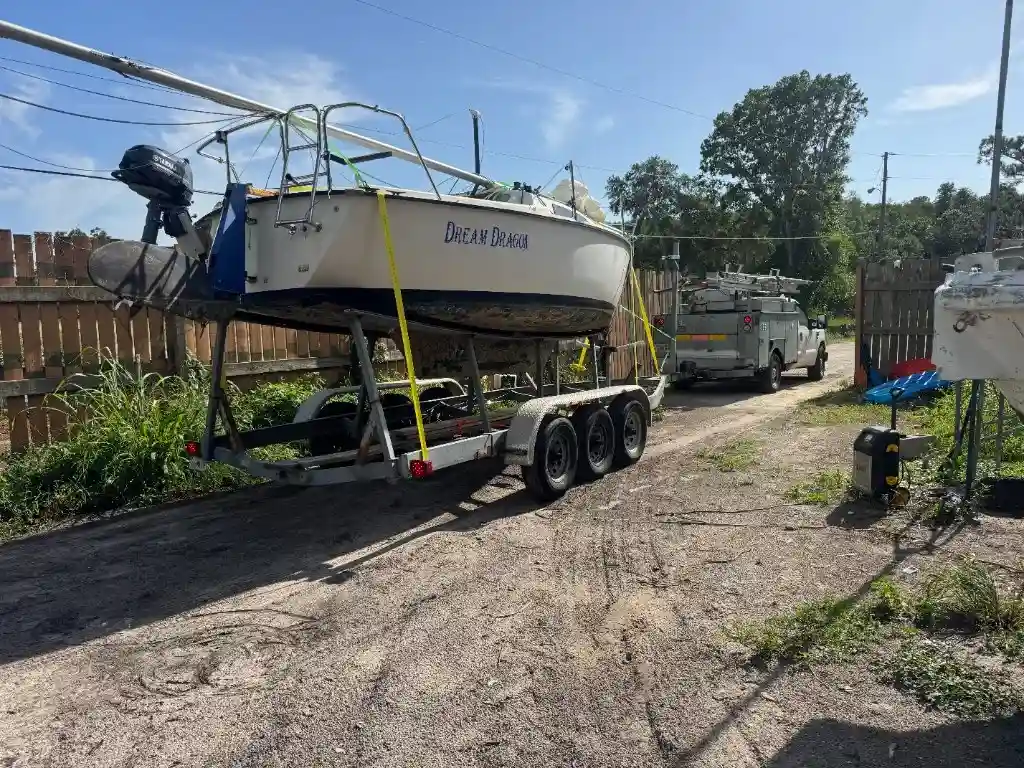
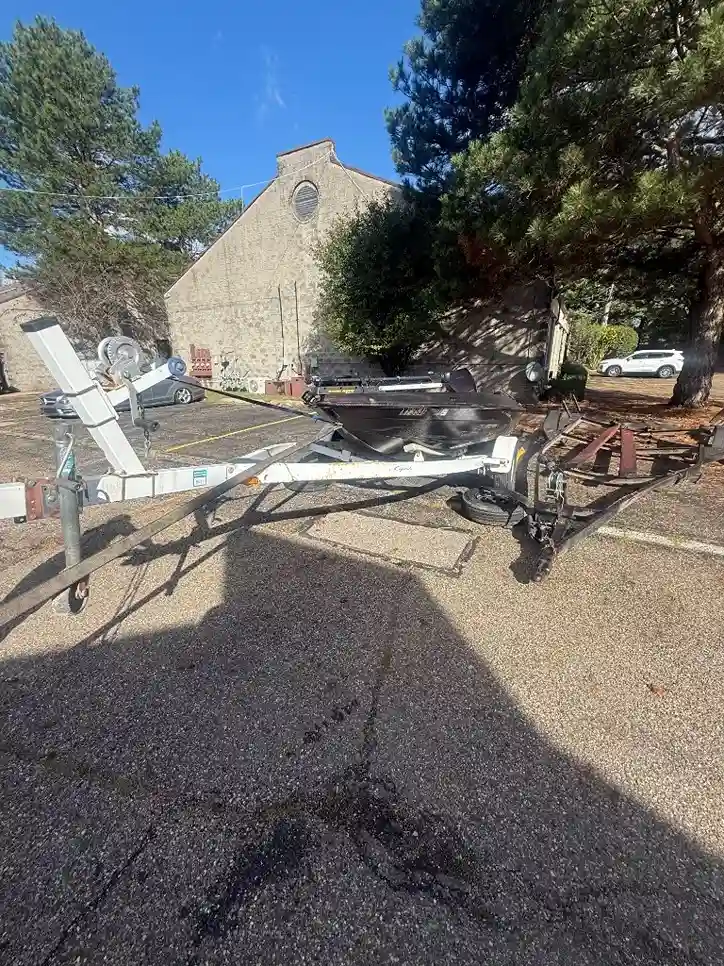
- Trailer status: note whether a trailer is present, whether it rolls, and whether it is part of the removal or stays with the owner. Flat tires, seized hubs, and missing paperwork all affect planning.
- Materials and contents: fuel, batteries, loose gear, and personal belongings should be identified so the scope reflects what must remain and what leaves.
Details that shape access
Before scheduling, the access route is defined and kept clear. Tell us about gate widths, soft or sandy ground, overhead obstructions, slopes, and the distance from the vessel to the nearest firm surface. If the boat is on managed property, include site rules, quiet hours, and the name of the person who can grant entry.
What affects the estimate
Pricing is project-specific. It depends on size, condition, location, access, equipment needs, trailer condition, recovery requirements, transport, and the disposal scope. A quote request is free, but removal, recovery, transport, and disposal are not automatically free, and no price is published here because it would not reflect your vessel. If you are researching boat disposal cost, the most reliable approach is to send accurate details and ask what the estimate covers line by line.
A useful estimate should state which of these are included: loading, recovery, dismantling, hauling, trailer handling, transport, and disposal. It should also note what the owner or property representative needs to prepare.
Request a boat removal quote
Start with safe photographs, taken from a distance that keeps you away from unstable hulls, deep water, sharp fiberglass, and soft ground. Then gather the following:
- The type of vessel or PWC and its approximate length, width, and height.
- Its condition: running or not, floating or not, intact or damaged.
- Whether a trailer is present and what shape it is in.
- The exact location, including how a truck would reach it and any site restrictions.
- Your ownership or removal authorization. Property managers and facility representatives should add the site contact and a complete item list if more than one vessel is involved.
Property managers, storage operators, and waterfront owners should be especially clear about who authorizes the work, who is responsible for access on the day, and what must remain on site. Resolving that early keeps a straightforward removal from stalling.
When you are ready, request a project-specific quote with those details. You can also review the Boat Removal & Disposal service hub or the Florida service areas page to see how requests are handled statewide. Owners in nearby communities may find the pages for Boat Removal & Disposal in High Springs and Boat Removal & Disposal in Jasper useful for comparison. Availability for any address is confirmed individually after review.
Common Removal Situations
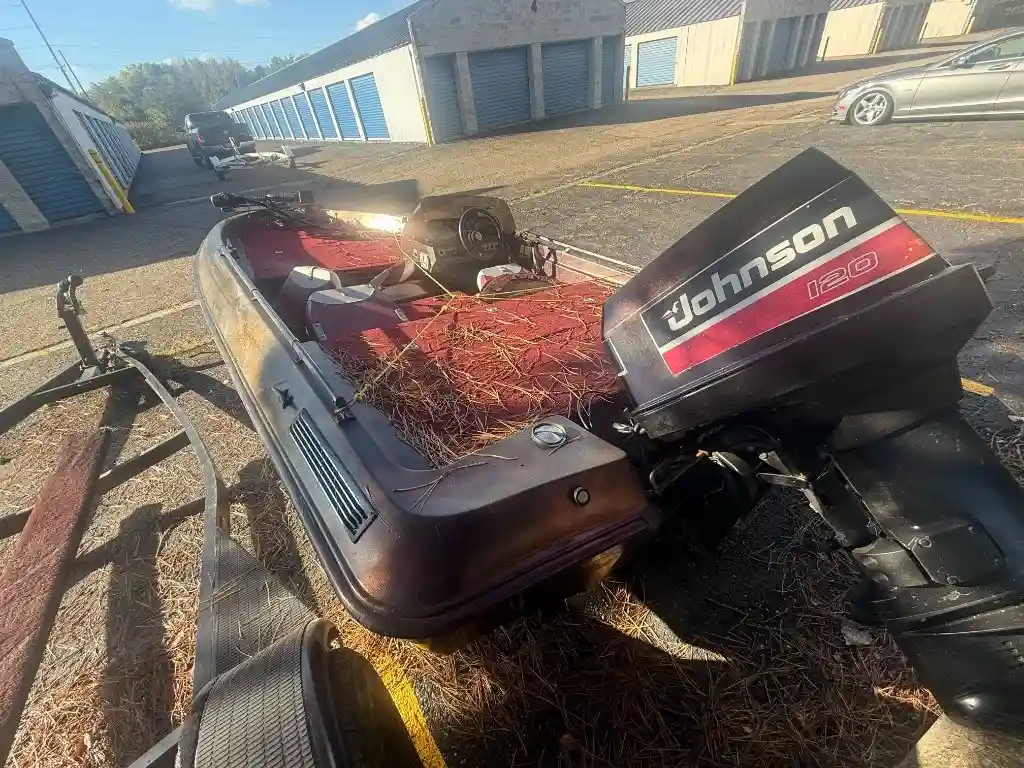
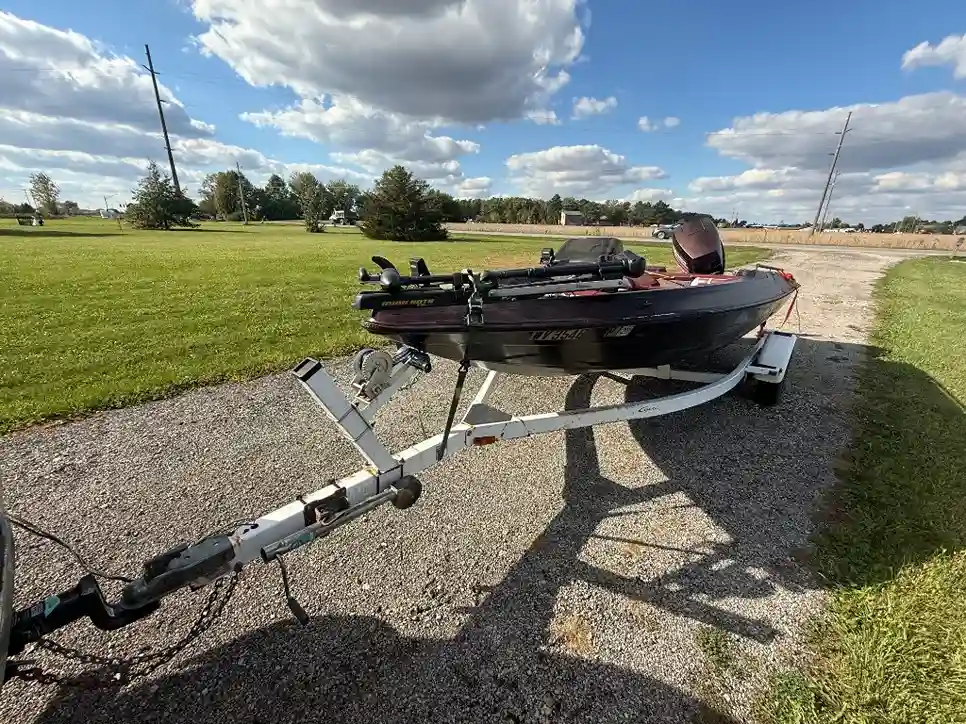
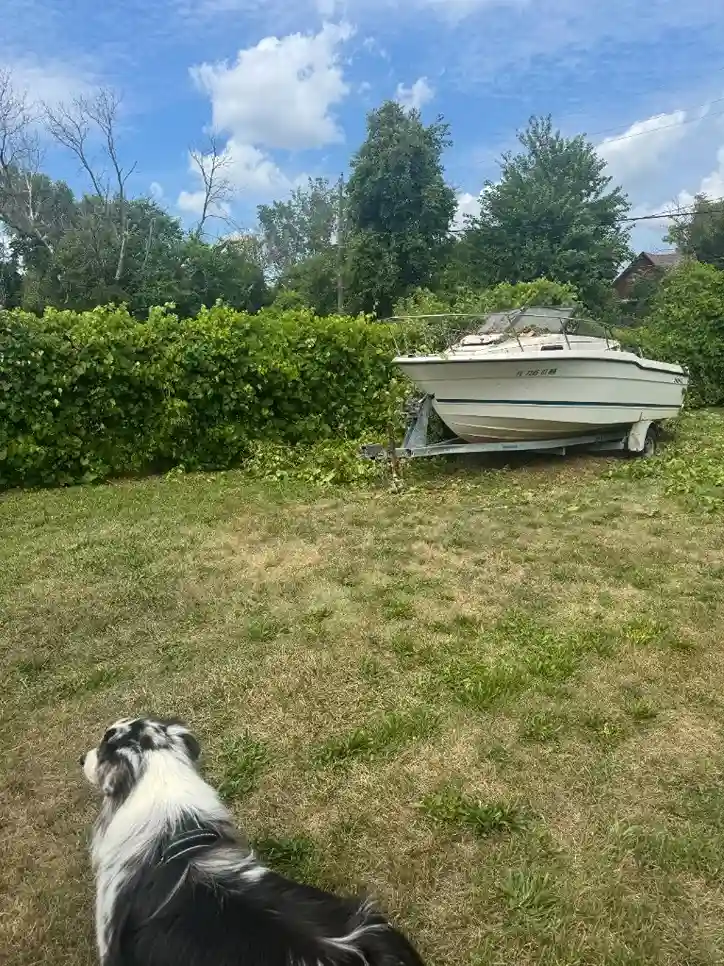
Moving a vessel requires heavy trailers, winches, and tow vehicles that most owners do not have on hand. Handling it yourself often leads to damaged ramps or failed equipment, whereas a crew handles the rigging and transport directly. Typical situations include:
- Boats no longer in active use
- Aging powerboats or sailboats beyond economical repair
- Abandoned vessels sitting on private land or at marinas
- Craft blocking water access or creating navigational hazards
- Owners who simply want the vessel cleared off their property
- FAQ
Service Questions
Get answers to common questions about boat removal in Florida.

Send current vessel and access details for a project-specific estimate
The quote request is free, but the work is not automatically free. Share safe photographs, the vessel type and condition, exact location, and authorization through the contact page, or call (904) 946-4709 to ask about your project.
When deciding whether to repair, sell, or discard an old vessel, note that we do not fix or resell boats. We focus entirely on physical removal and disposal. Describe the vessel, explain where it sits, and send photos. Get an estimate before work starts, and let the crew handle all the heavy lifting.