
Boat removal and disposal in Trinity, FL

- The Florida Spirit
Boat removal service in Trinity
A boat that no longer runs, no longer has a purpose, or has been sitting too long tends to become a bigger problem each season. Tires go flat, a hull softens, a cover fails, and what started as a simple "I'll deal with it later" turns into a vessel that is hard to move. Florida Boat Services reviews boat-removal requests across Florida, including requests for Trinity in Pasco County. Availability and final scope are confirmed for each project, and this page does not imply a local office or guaranteed availability in Trinity.
Boat removal here means a defined plan for getting an unwanted, damaged, non-running, or end-of-life vessel off a property or out of a storage spot. Depending on what the quote confirms, that plan may include loading, dismantling, hauling, trailer handling, and disposal. Those pieces are not assumed. They are listed and agreed on before scheduling.
A common preparation scenario
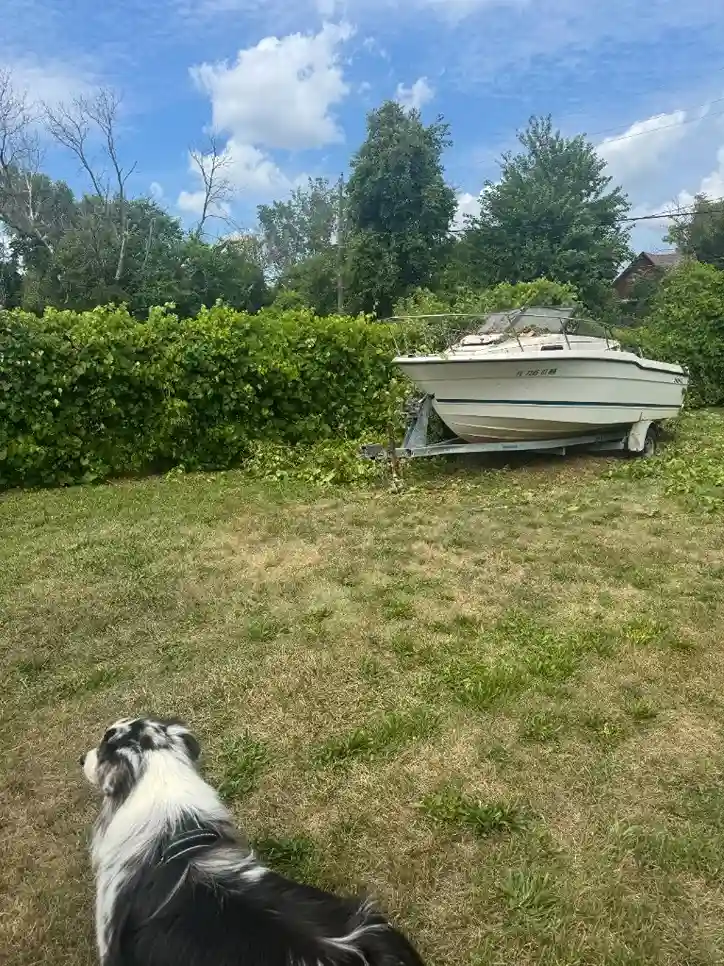
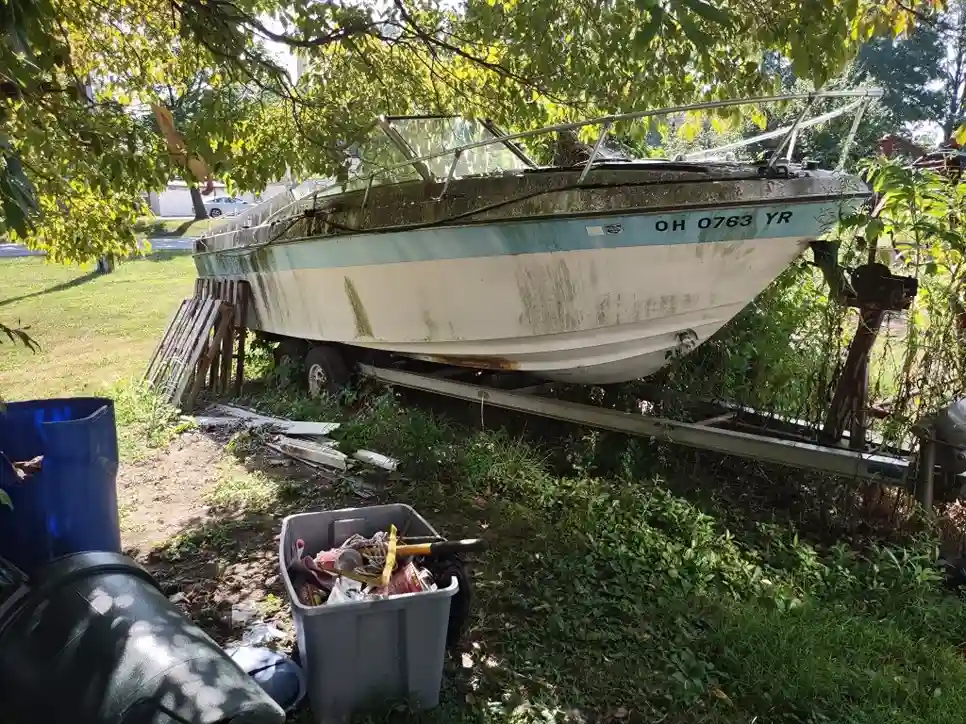
Trinity is a CDP rather than a city with a single central waterfront, and many boats in suburban areas sit in side yards, driveways, backyards, or storage lots instead of at a dock. Picture a fiberglass powerboat on a trailer with a flat tire, tucked beside a fence and behind a gate. The owner needs to know whether the trailer can roll, how wide the gate opens, whether the ground is firm enough to move heavy equipment, and whether anything overhead or alongside the path is in the way. Those details shape the plan more than the boat's brand does.
If the vessel sits near water, such as the Pithlachascotee River (also called the Cotee River) or the Anclote River in the wider area, the first question is simple: is it on land or at an accessible dock, or is it in the water, partially sunken, or submerged? That distinction matters, and it is covered below.
Conditions that get reviewed
- Non-running or abandoned-in-place boats on a trailer or on blocks
- Hull damage, soft decks, rot, or storm damage
- Sailboats, powerboats, and personal watercraft of different sizes
- Trailers that are flat, seized, missing paperwork, or not roadworthy
- Vessels at accessible marinas or storage facilities that need coordinated access
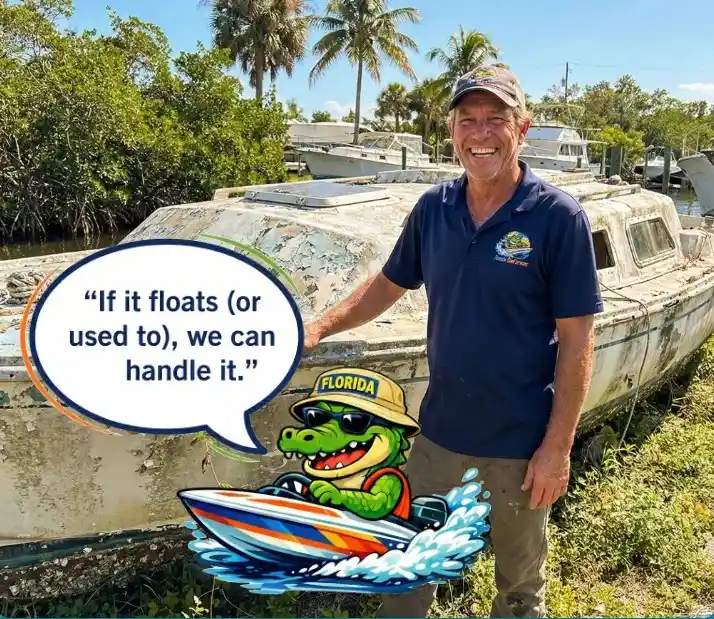
- All Vessel Types
Boat disposal scope
People searching for how to get rid of a boat or how to junk a boat usually want to know what actually happens after the call. The honest answer is that scope varies, and it should be written down before work starts. A fiberglass boat disposal job is different from a small aluminum skiff, and a sailboat with a mast and standing rigging raises different handling questions than a center-console hull.
Land or accessible-marina removal versus submerged recovery
Ordinary removal covers a boat that can be reached on land, on a trailer, or at an accessible dock or marina. The main questions are access route, loading, trailer condition, and where the work can be staged.
Submerged-vessel recovery is a different project. A boat that is sunk, partially sunk, or resting underwater needs a recovery plan before any removal or disposal step can be defined. That plan depends on location, water access, site conditions, and what is required to bring the vessel out. It should be scoped separately and should not be assumed to be part of a basic land removal quote.
Details that affect access and disposal scope
- Size and weight: approximate length, beam, and whether engines, fuel tanks, or heavy gear remain aboard.
- Condition: whether the hull is intact, broken apart, waterlogged, or unsafe to move as a whole.
- Trailer status: whether a trailer is included, rolls freely, and is meant to leave with the boat or stay.
- Access route: gate widths, soft ground, tight turns, low branches, driveway slope, or marina restrictions.
- Site rules: HOA, storage-facility, or marina requirements that limit hours, equipment, or vehicle types.
- Authorization: who owns the boat and who is allowed to approve removal.
Pricing is project-specific. It depends on size, condition, location, access, equipment needs, trailer condition, recovery requirements, transport, and disposal scope. This page does not publish a price, and anyone asking about boat disposal cost should expect an estimate only after the details are reviewed. The quote request is free, but removal, recovery, transport, and disposal are not automatically free.
For property managers and facility representatives
If a vessel is occupying managed property, send the site contact, any facility restrictions, written authorization when available, and a complete item list. Listing every item up front, including trailers, loose parts, and covers, helps avoid surprises about what must leave and what must stay. Before work begins, keep the agreed access route clear and confirm what is part of the removal scope.
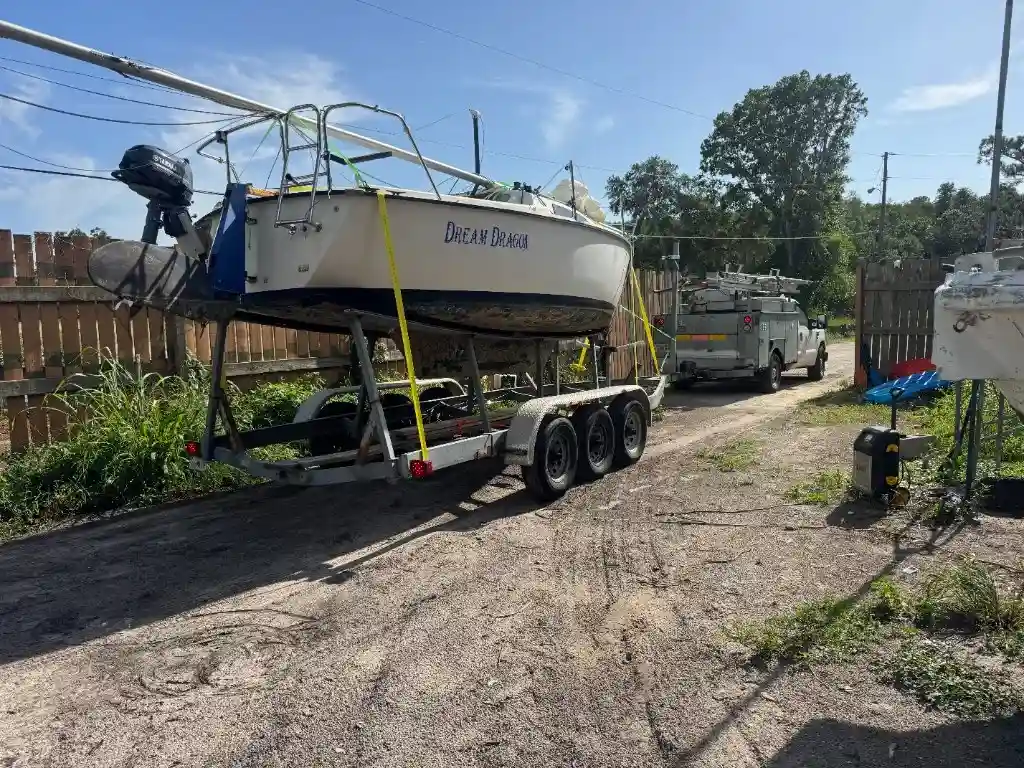
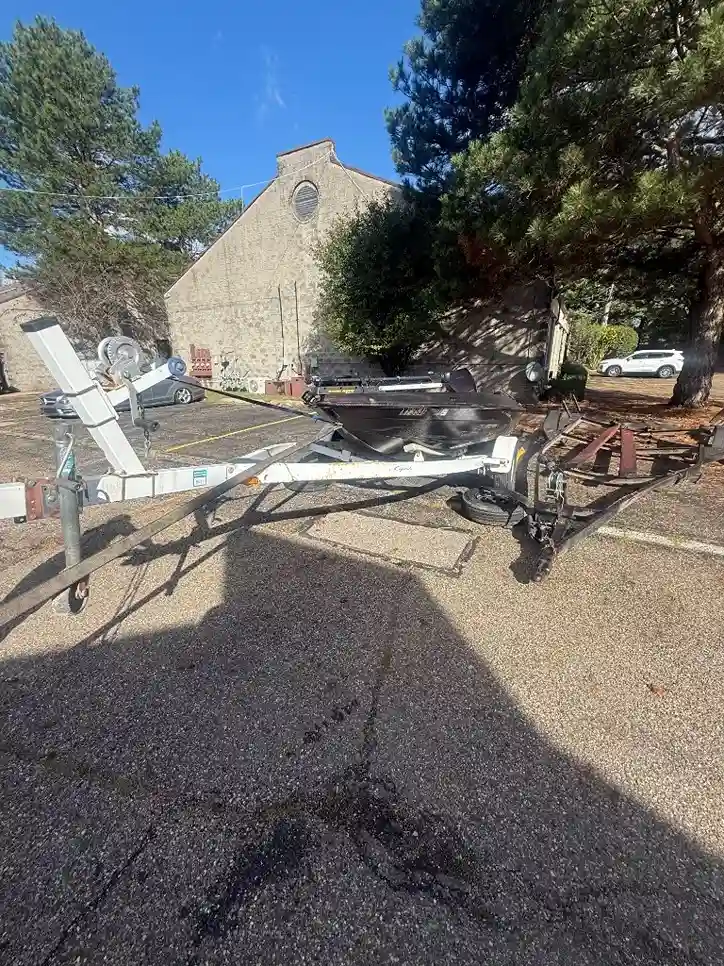
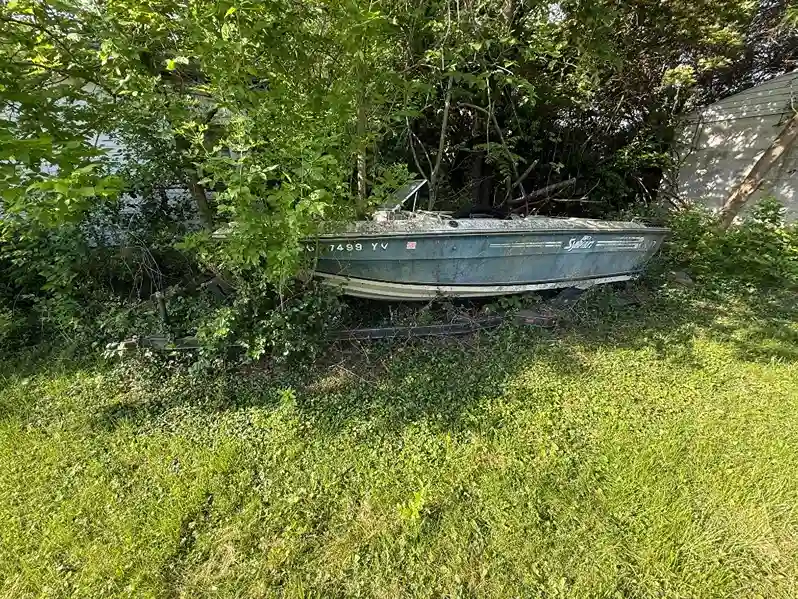
Request a boat removal quote
The safest next step is to gather accurate information and send it through the contact page to request a project-specific quote. A useful request includes:
- Vessel or PWC type and approximate dimensions
- Current condition, including whether it floats, runs, or is damaged
- Trailer status and whether the trailer is part of the job
- Exact location and how the vessel can be reached
- Ownership or removal authorization
- Site restrictions, gate details, or marina and facility rules
- Safe photographs taken from solid ground, without climbing, entering, or moving an unstable vessel
A good estimate should state which of loading, recovery, dismantling, hauling, trailer handling, transport, and disposal are included. It should also note any assumptions about access so the scope is clear before scheduling.
Nearby pages may help if you are comparing surrounding communities: see Boat Removal & Disposal in Elfers or Boat Removal & Disposal in East Lake. Those references are for orientation only, and availability is confirmed individually for each project. You can also review the Boat Removal & Disposal service hub or browse the Florida service areas index.
If you prefer to talk first, the phone number shown on the website is (904) 946-4709.
Common Removal Situations
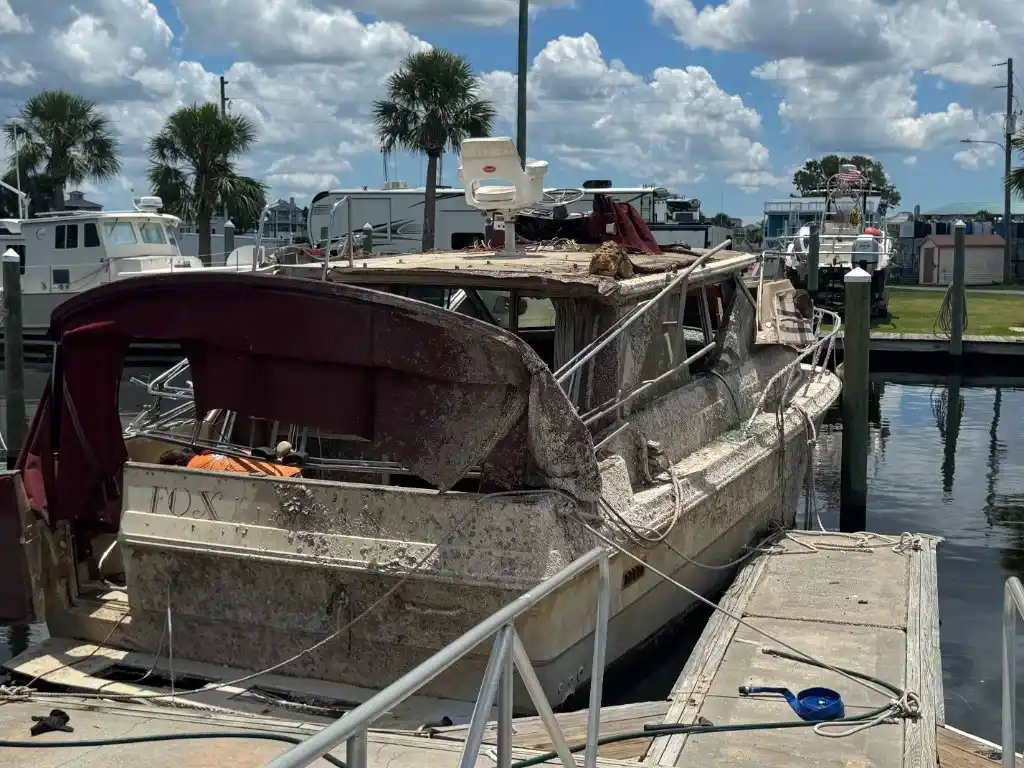
When the crew arrives, they do not perform repairs, engine tune-ups, or structural restoration; they hook up winches, secure rigging, and haul the craft away for disposal. Common jobs include:
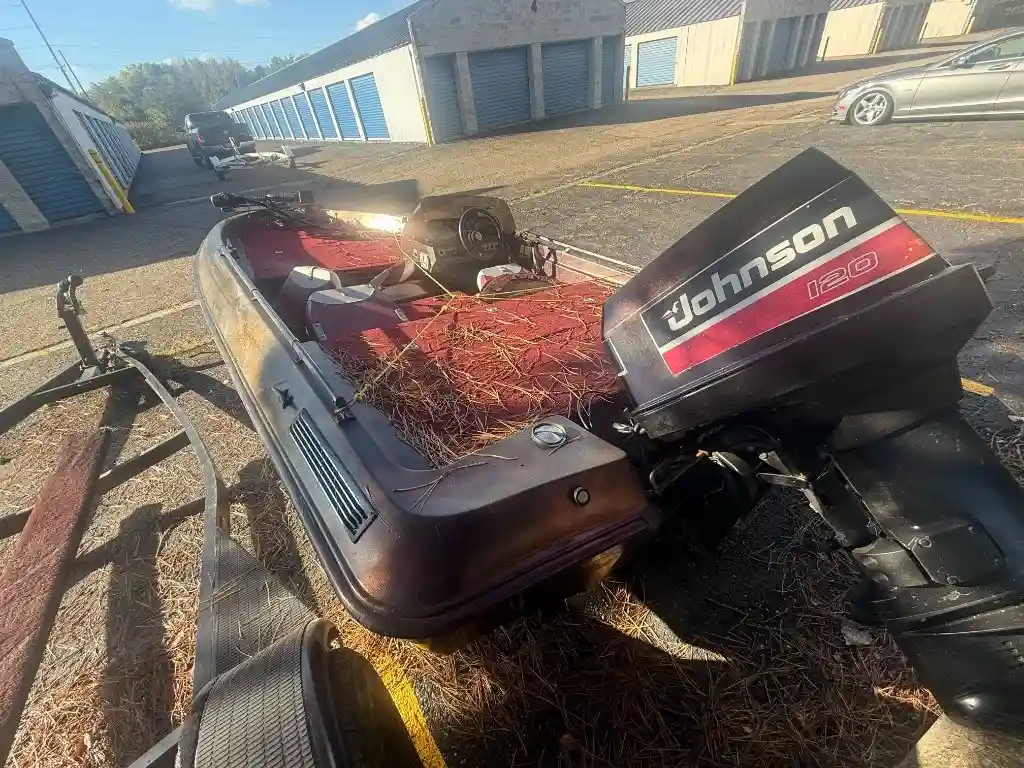
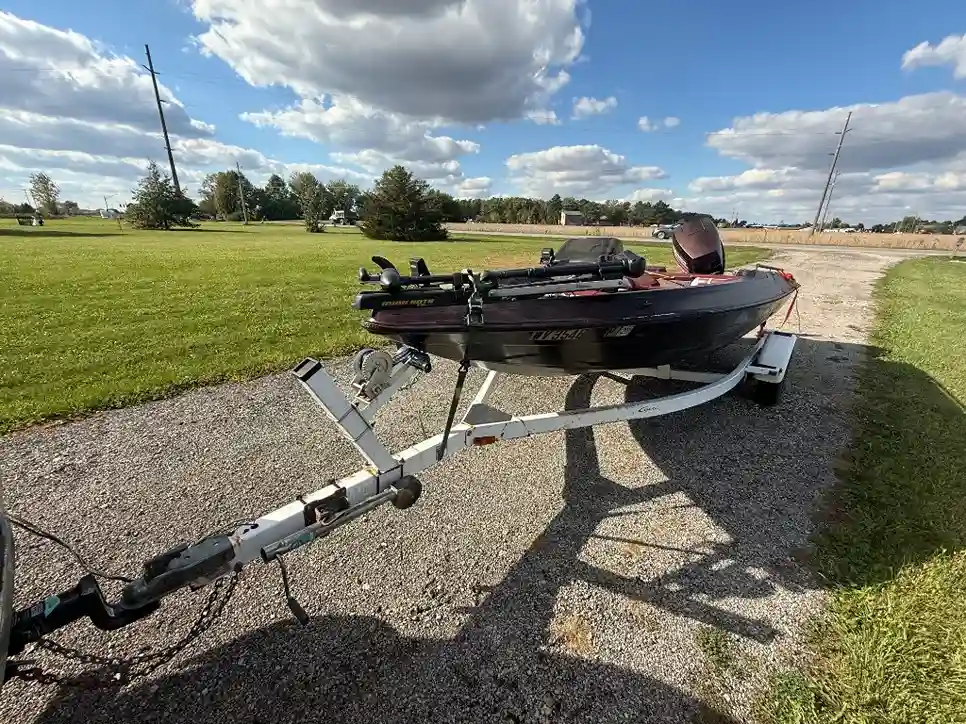
- Boats sitting unused for years on trailers or blocks
- Old powerboats and sailboats damaged beyond repair
- Abandoned or derelict vessels left at marinas or private yards
- Craft blocking water access, ramps, or slips
- Vessels where the owner wants the hull completely cleared off the property
- FAQ
Service Questions
Get answers to common questions about boat removal in Florida.

Request a project-specific removal quote
Send current vessel and access details for a project-specific estimate. The quote request is free, but the work is not automatically free. Availability for Trinity is confirmed after review.
When fixing or selling a vessel is no longer practical, removal is the next step. We do not repair, buy, or resell old craft. Tell us what you have, send a few photos, and describe where it sits. You will get an estimate before work begins, then our crew handles the full haul-out and disposal.