
Boat removal and disposal in Port St. Lucie, FL

- The Florida Spirit
Boat removal service in Port St. Lucie
A boat that no longer runs, leaks, or has simply outlived its usefulness tends to sit while the owner decides what to do. In a residential city like Port St. Lucie, that often means a hull on a trailer beside a garage, under a carport, or along the side of a lot where the neighbors and the HOA can see it. Our boat removal service is built for that situation: unwanted, damaged, non-running, or end-of-life vessels that need a defined plan to be taken away.
Florida Boat Services reviews removal requests throughout Florida, including requests in Port St. Lucie. We do not operate a local office here, and availability is confirmed for each project after we see the details. That review is the real starting point, not a promise made before anyone has looked at the boat.
The service is meant for vessel owners and for authorized property or facility representatives, such as a property manager, a storage operator, or a marina contact who needs a vessel removed from managed space. If you are searching for a way to junk a boat or get rid of one that is no longer worth repairing, the first question is the same: what is it, where is it, and who has the authority to release it?
Conditions we review
- Type and size: a fiberglass runabout, a center console, a sailboat with a mast, or a personal watercraft each calls for a different plan.
- Condition: whether the hull is intact, soft, cracked, or partly dismantled, and whether it can be moved without breaking apart.
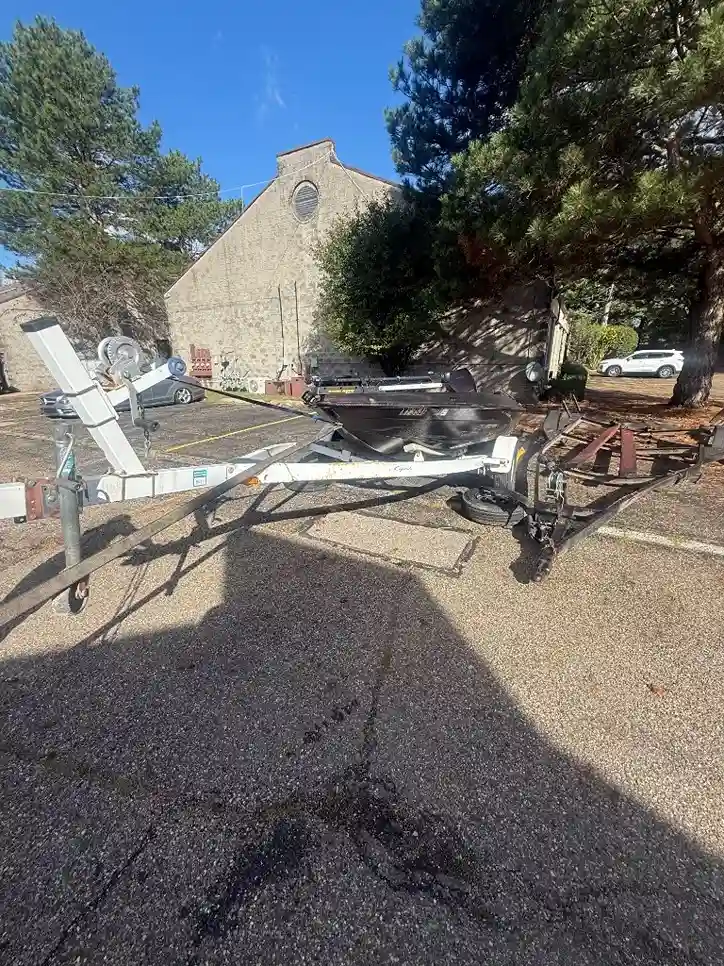
- Trailer status: a sound trailer with working tires is a different job from a flat-tired, rusted, or missing trailer.
- Location: a driveway, a side yard, a storage lot, a dock, or a spot beside a canal.
- Authorization: proof that the person asking for removal can legally release the vessel.
Boats in the water or sunk are a separate category, covered below.
- All Vessel Types
Boat disposal scope
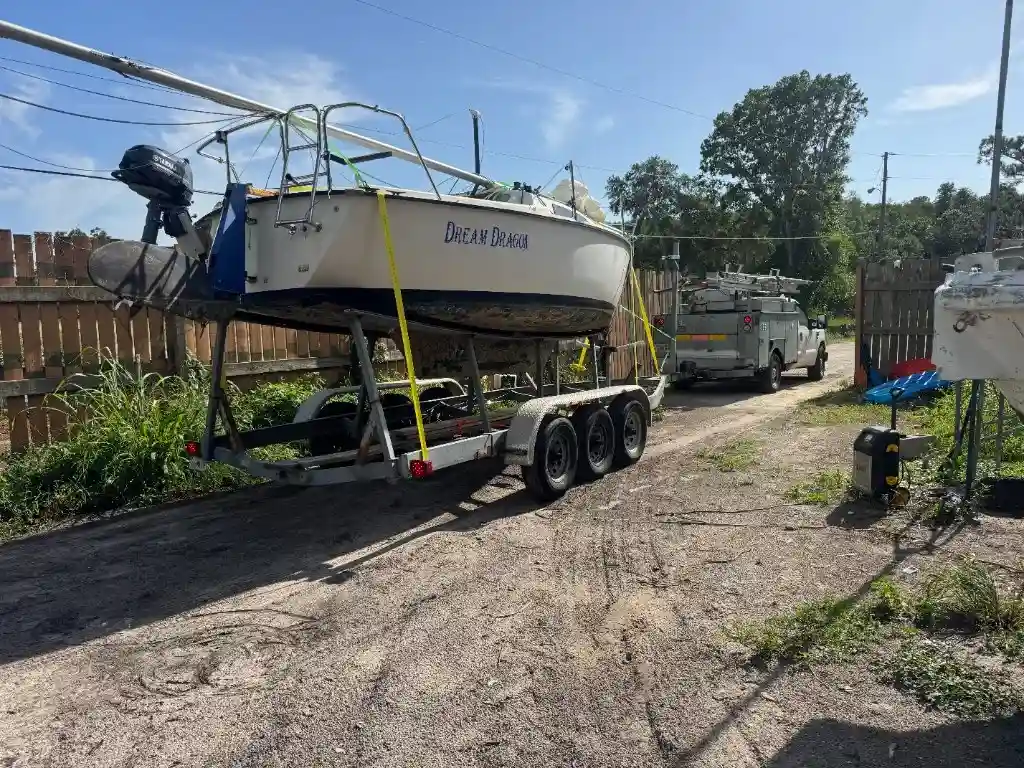
Disposal is rarely a single step. Depending on what the quote confirms, the work may include loading, dismantling, hauling, trailer handling, transport, and final disposal. Not every project needs every step, and we do not assume one until the vessel and site have been reviewed. We also do not name equipment, crew size, completion time, or disposal destination before that review.
A realistic preparation scenario
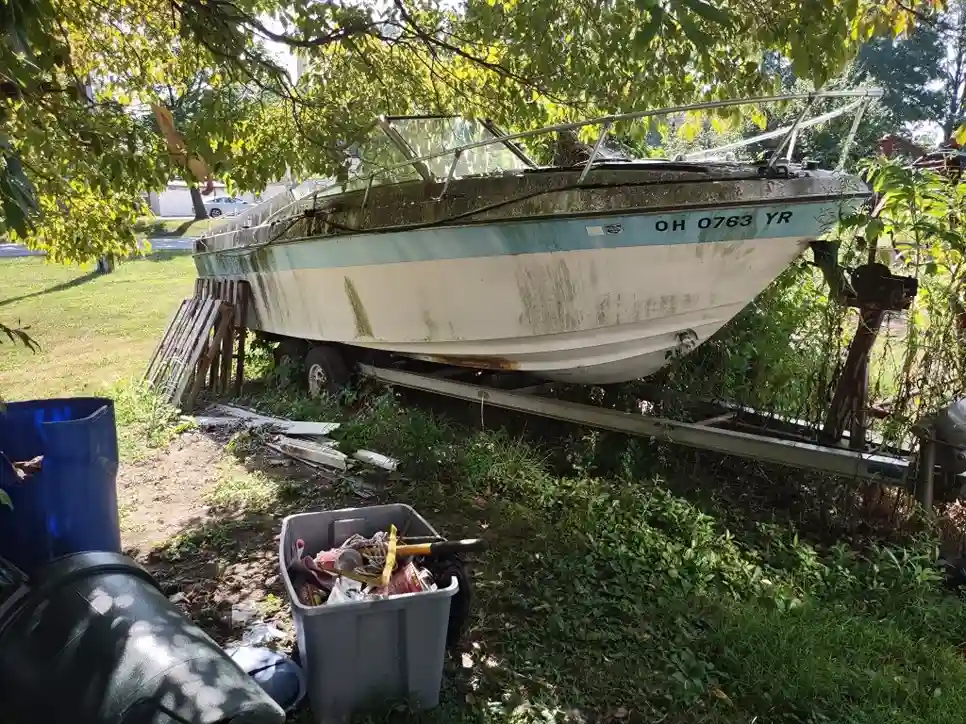
Picture a 20-foot fiberglass boat stored beside a house on a typical residential lot. The owner wants it gone, but the trailer has a failed tire, the driveway is narrow, and a parked vehicle or fence limits the turning room. Those details matter more than the boat's age. Before scheduling, the access route needs to be defined: where the vessel sits, how it can be reached, what has to be moved first, and whether anything near it must stay in place. Keep that path clear once it is agreed so the work does not stall on the day.
If the same boat sits in a managed storage lot or at a marina, the questions shift to site rules, gate access, contact people, and who is responsible for what leaves the property. Property managers and facility representatives should be ready to supply the site contact, any restrictions, written authorization, and a full list of items to be removed.
Land or accessible-dock removal versus submerged recovery
Removing a boat from land or from an accessible dock is a different job from recovering a vessel that has sunk or is partly underwater. Submerged recovery adds questions about depth, position, hull integrity, and what is needed to bring the vessel up safely before any hauling or disposal can begin. It is reviewed on its own terms, and a recovery plan is not assumed from a photograph alone. Near the St. Lucie River North Fork or the C-24 Canal, for example, owners sometimes ask about a vessel close to the water; the waterbody is useful context for describing the location, but it does not mean a particular site is served or accessible. Availability and scope are confirmed individually.
What shapes the cost
We do not publish a flat price, because boat disposal cost depends on the project. The main factors are: A Port St. Lucie request near Port St. Lucie River Park Marina on nearby waters may still be a land-access project, so the estimate follows the actual route and condition rather than the city name.
- vessel size and condition
- location and access difficulty
- equipment needs
- trailer condition
- any recovery requirements
- transport distance
- disposal scope
The quote request is free, but removal, recovery, transport, and disposal are not automatically free.
Request a boat removal quote
A useful quote starts with accurate information. When you reach out, include:
- The vessel or PWC type and approximate length and width.
- Its condition, including whether it floats, runs, or is damaged.
- Whether a trailer is present and what shape it is in.
- The exact location of the boat in Port St. Lucie, including how to reach it.
- Who owns it, or who is authorized to have it removed.
- Any site restrictions, gate codes, or facility rules.
- Safe photographs showing the whole vessel, the trailer, and the access route. Please do not climb on or enter a damaged or unstable boat to take them.
With those details, we can review access, define which parts of the job are included, and give you a project-specific estimate before anything is scheduled. If an item is unclear, say so; it is better to flag it early than to discover it at the site.
You can request a project-specific quote through the contact page, or call (904) 946-4709 to talk through the project first. To see how requests work across the state, visit the Florida service areas page or the main Boat Removal & Disposal service hub. If you are comparing nearby communities, we also have pages for Boat Removal & Disposal in Indian River Estates and Boat Removal & Disposal in White City.
Common Removal Situations
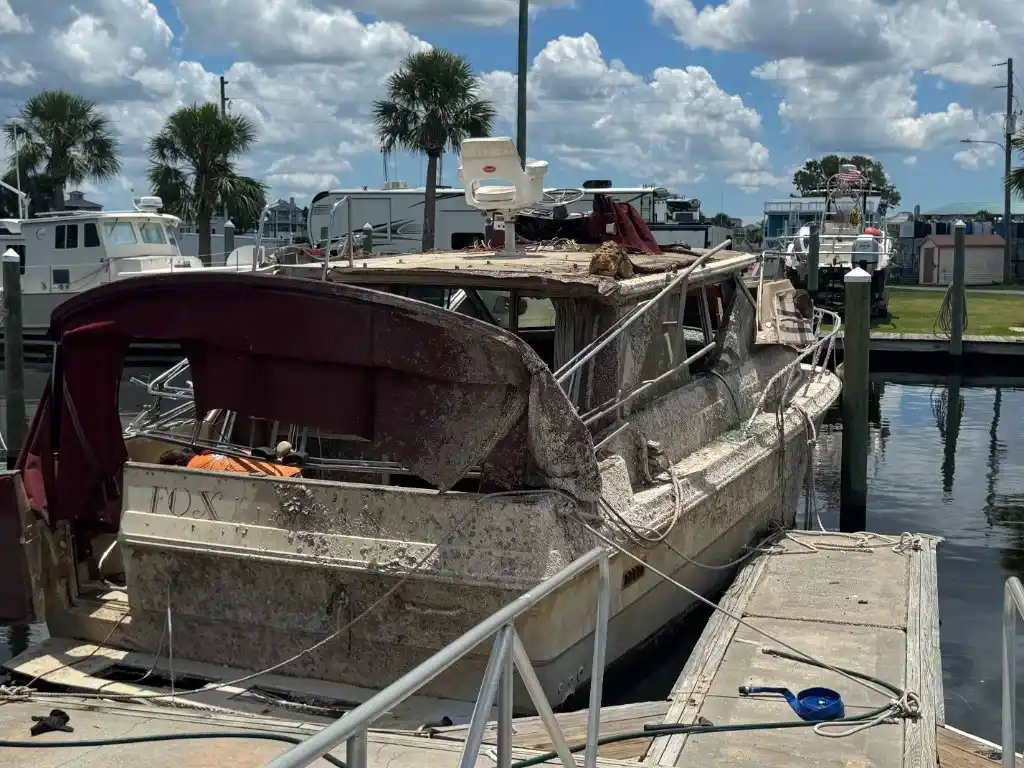
Vessels often sit until the hull cracks, the deck softens, or rainwater fills the bilge.
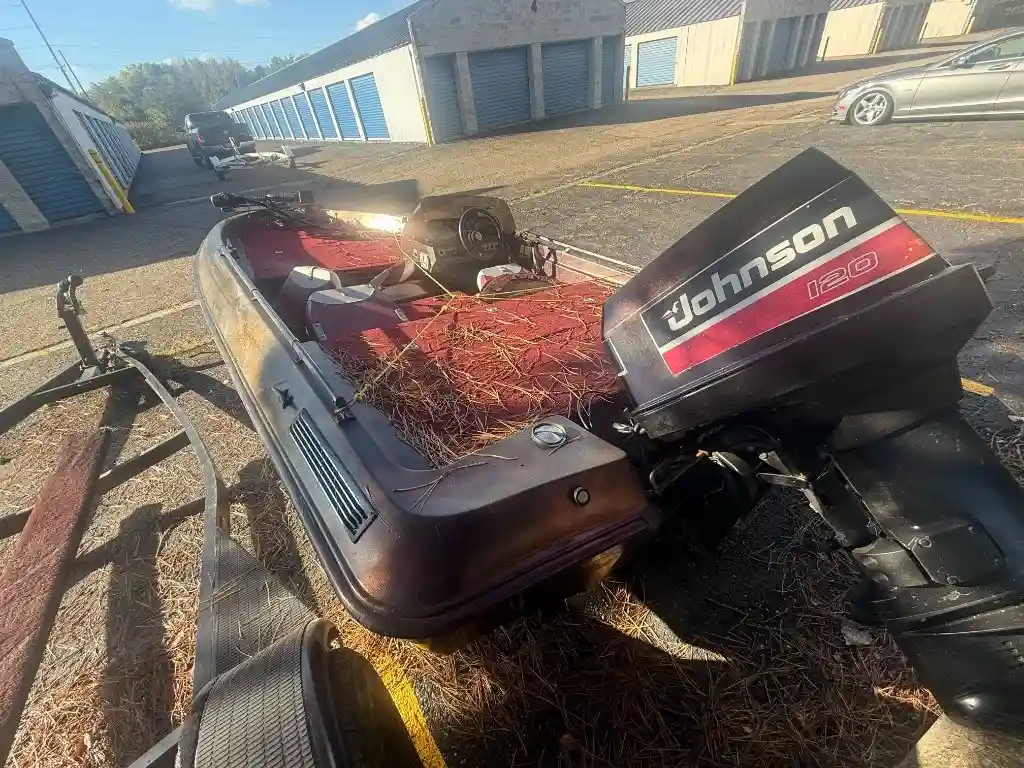
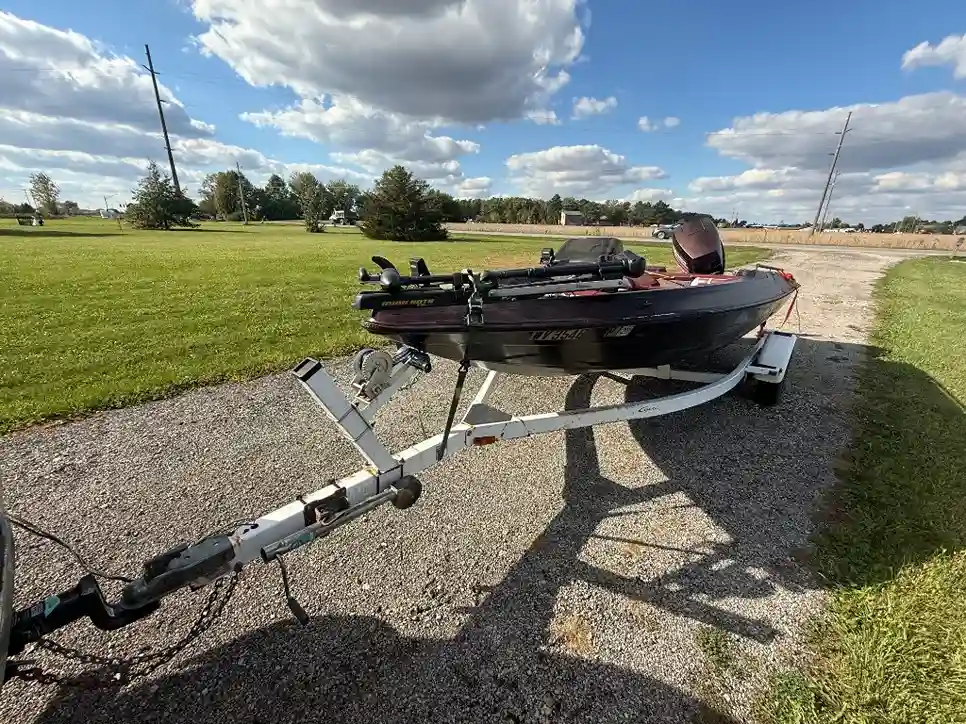
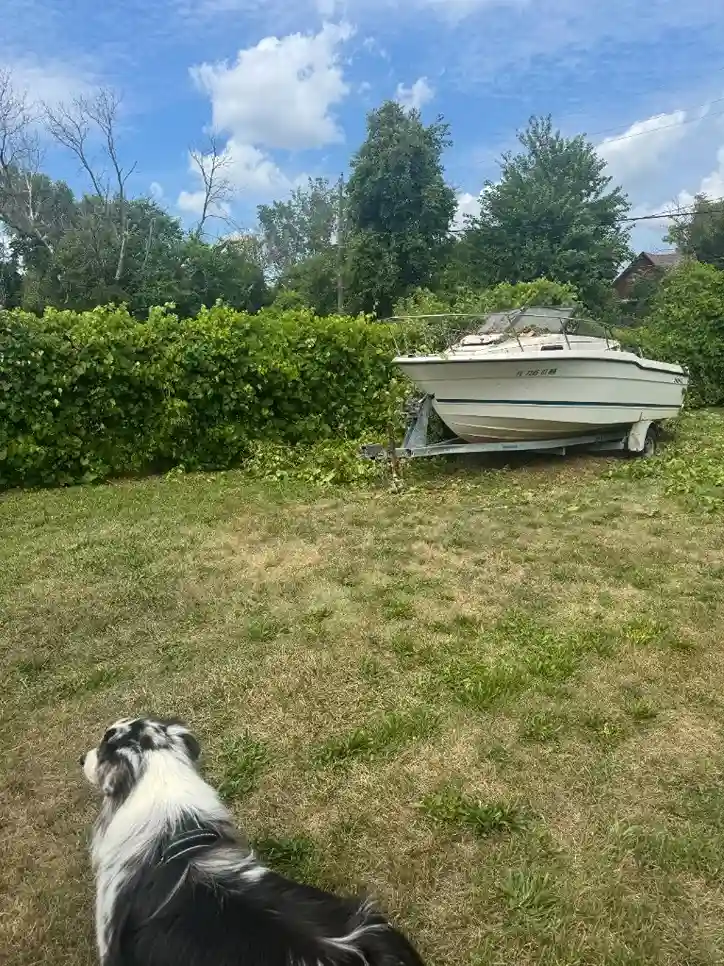
- Powerboats and sailboats: Older craft sitting on flat tires or blocks that are beyond mechanical repair or structural restoration.
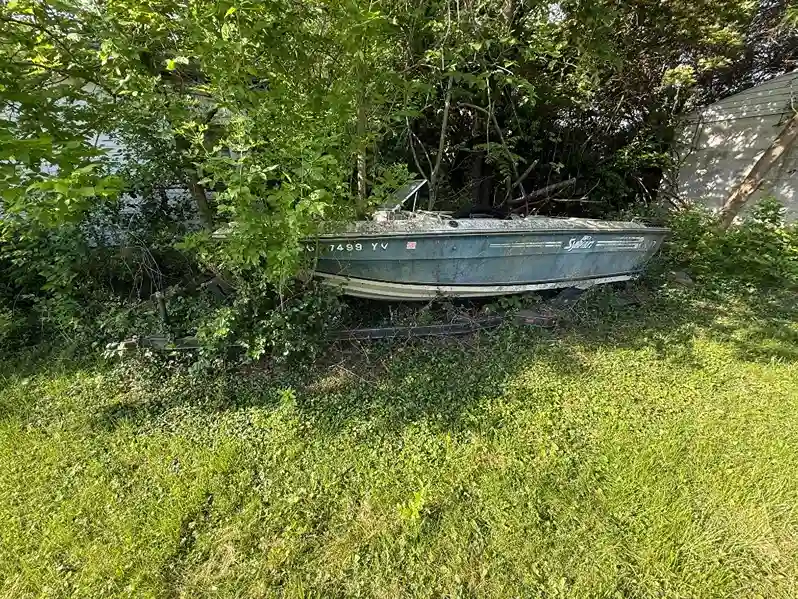
- Derelict hulls: Abandoned vessels taking up space in private yards, driveways, storage yards, or marina slips.
- Hazardous craft: Vessels drifting, sinking, or blocking docks, ramps, and water access points.
- Unwanted inventory: Unused boats that owners simply need hauled off the property to free up space.
- FAQ
Service Questions
Get answers to common questions about boat removal in Florida.

Request a project-specific removal quote
Send current vessel and access details for a project-specific estimate. The quote request is free, but the work is not automatically free. Availability is confirmed for each project.
Decayed or sunken hulls go straight to crushing and disposal, while intact vessels are stripped for recyclable metal and landfilled. To clear yours out, send photos along with a description of the vessel and its location. You will receive an estimate before work starts, and the crew takes it from there.