
Boat removal and disposal in Pinecrest, FL

- The Florida Spirit
Boat removal service in Pinecrest
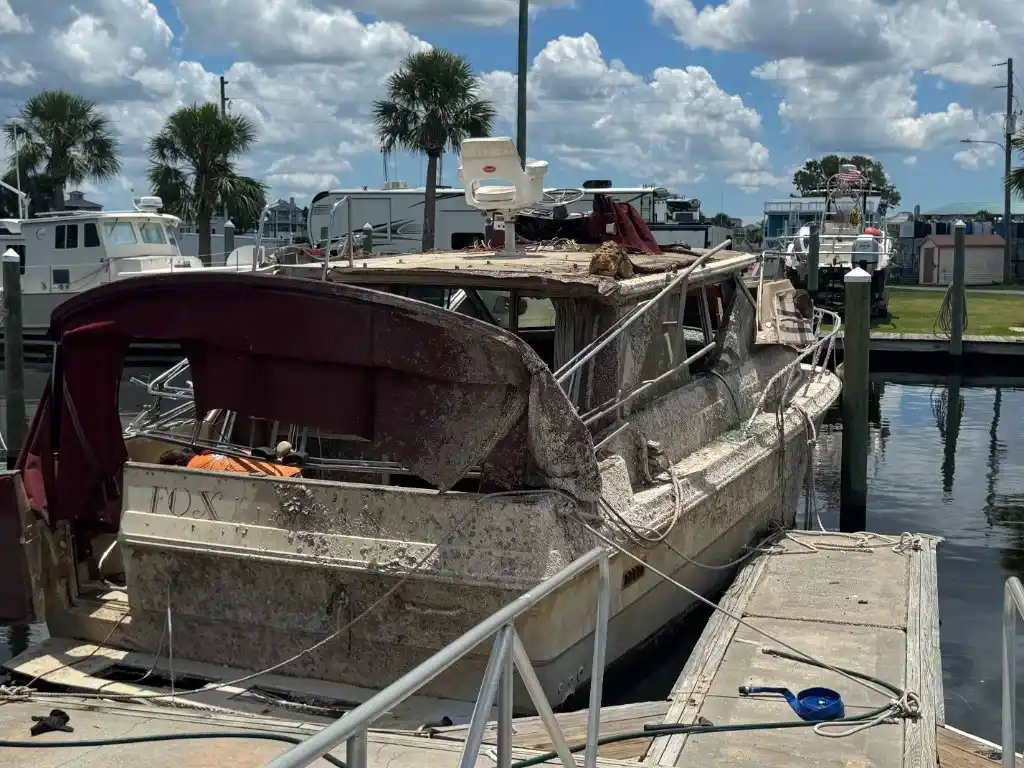
A boat that no longer runs, no longer holds value, or no longer belongs where it sits tends to become a planning problem rather than a boating one. In a residential village like Pinecrest, that often means a hull on a trailer beside a garage, a vessel stored behind a gate, or a neglected boat on private property that the owner wants gone without damaging a driveway, landscaping, or a neighbor's patience.
Florida Boat Services reviews boat-removal requests throughout Florida, including requests tied to Pinecrest. Availability and final scope are confirmed for each project, and this page does not imply a local office or guaranteed availability in the village. What it does offer is a clear way to prepare, so the review starts with usable information instead of guesswork.
Boat removal here covers unwanted, damaged, non-running, or end-of-life boats. Depending on what is confirmed in the quote, the work may include loading, dismantling, hauling, trailer handling, and disposal. Each of those pieces is defined before scheduling, so you know what is and is not part of the job.
Which boat conditions are reviewed
- Non-running boats: engine seized, missing, or simply not worth restoring.
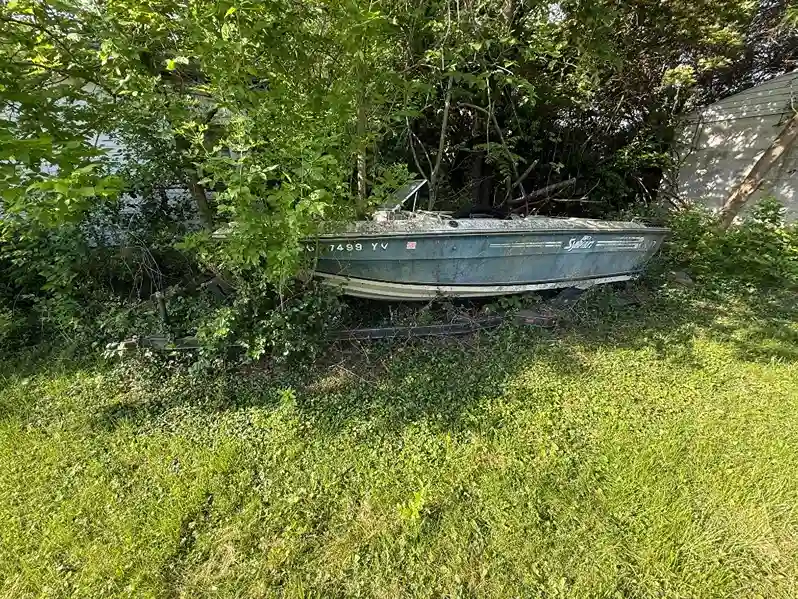
- Damaged hulls: soft decks, cracked fiberglass, storm damage, or rot that makes the boat unsafe to move as-is.
- Sailboats and larger hulls: masts, rigging, keels, and overall height can change how a vessel is handled.
- Personal watercraft and smaller boats: often simpler, but trailer condition still matters.
- Abandoned or unwanted vessels: reviewed only when the person requesting removal can show authority to do so.
Land removal versus submerged recovery
These are different projects. A boat sitting on a trailer, jack stands, or a dry storage rack is generally an access and loading question. A boat that is partly sunk, fully submerged, or lying in a canal or along a shoreline raises recovery questions first, and removal and disposal come afterward. If your vessel is in the water, say so plainly in your request and include photographs that show its position from a safe vantage point. Do not enter the water or climb onto an unstable hull to take them.
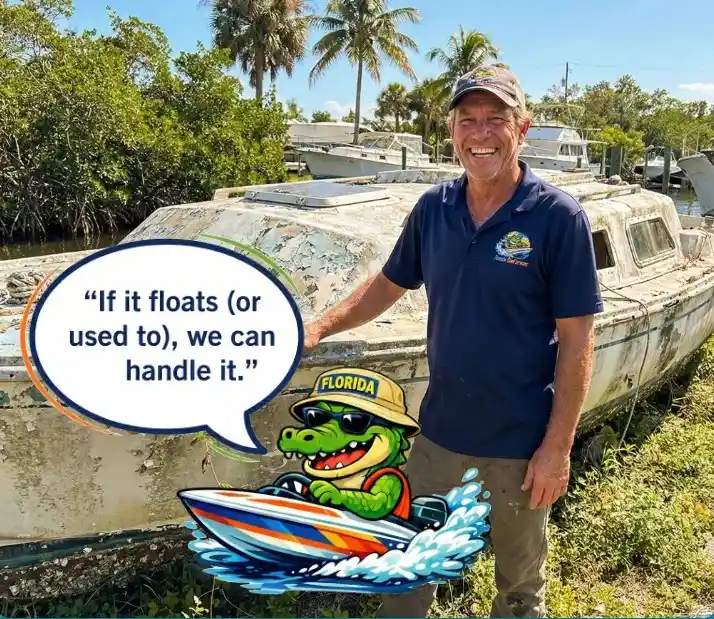
- All Vessel Types
Boat disposal scope
Disposal is not a single step, and it is not automatically included in every request. Before any work is scheduled, the quote should spell out which parts of the job are covered. Searches like "how to get rid of a boat" or "how to junk a boat" usually come down to the same practical questions: who can authorize it, how does the hull get out, and what happens after it leaves.
A preparation scenario worth planning for
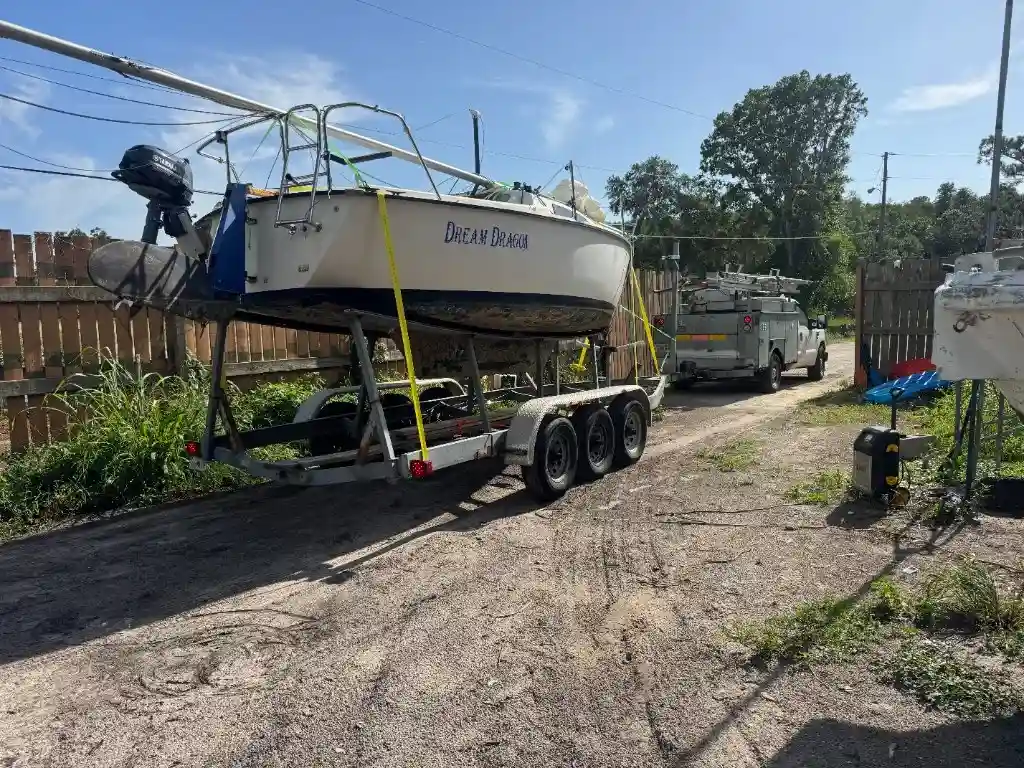
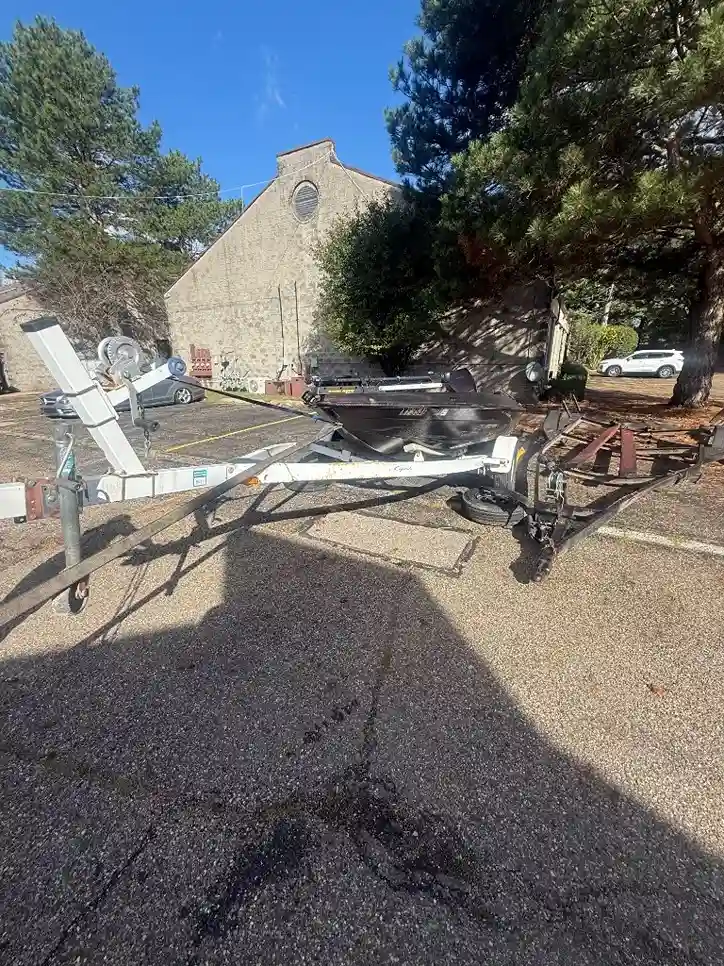
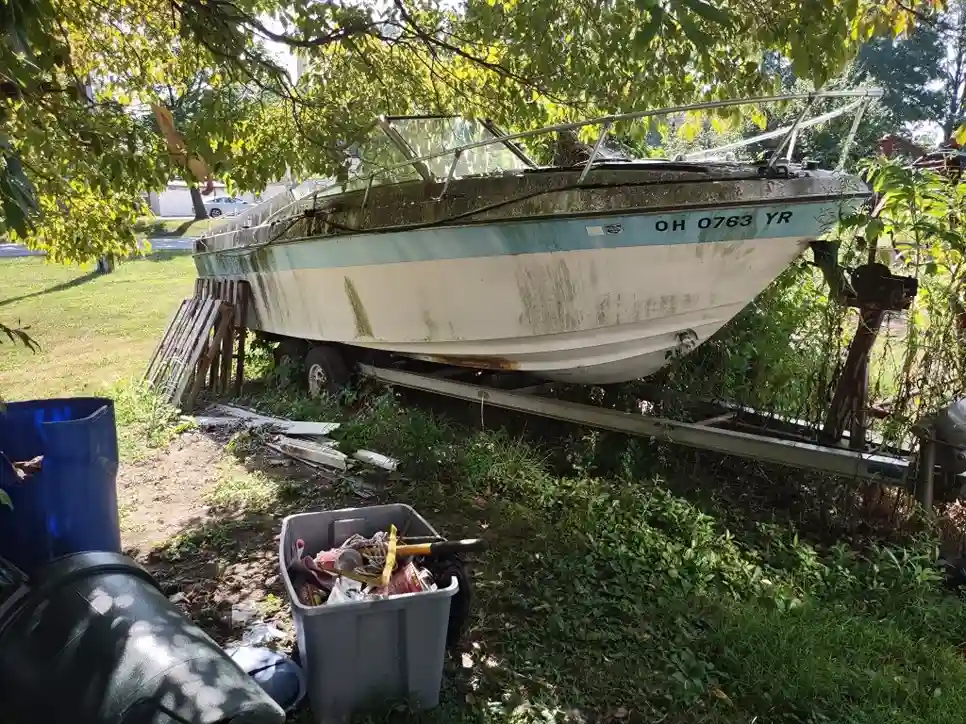
Consider a boat stored on a residential lot in Pinecrest with a flat or deteriorated trailer. The owner assumes the trailer will simply roll out, but a seized axle or rotted frame changes the plan. Narrow gates, overhead branches, a sloped driveway, or a parked car blocking the route can matter just as much. Describing those details up front helps define whether the project is a straightforward haul or needs additional handling, which is far better than discovering the issue on the day.
If your vessel is near water instead, you might mention a nearby waterbody for orientation, such as Biscayne Bay or the C-100A canal. That is location context only. It does not mean a particular waterway, ramp, or public launch is open, suitable, permitted, or part of any job, and it should never be assumed to be a drop-off point.
What affects access and disposal scope
- Vessel type, approximate length, beam, and height, including any mast or tower.
- Construction, such as a fiberglass boat that may need dismantling before it can be moved.
- Whether a trailer is present, who owns it, and whether it can roll and be towed safely.
- The exact location and the route from the boat to the street or loading area.
- Site rules from an HOA, property manager, marina, or storage facility.
- Whether fuel, batteries, personal items, or debris must be dealt with before work starts.
For managed sites, the review also clarifies authorization, loading windows, and who is responsible for disposal. Keep the agreed access route clear, and confirm in advance what must stay on the property and what must leave.
Cost factors, not a price list
Pricing is project-specific. It depends on size, condition, location, access, equipment needs, trailer condition, recovery requirements, transport, and disposal scope. That is why a question like "boat disposal cost" has no honest single answer. The quote request is free, but removal, recovery, transport, and disposal are not automatically free.
Request a boat removal quote
The fastest way to get a useful estimate is to send complete, accurate information once. Through the contact page, include:
- The vessel or PWC type and approximate dimensions.
- Its condition: running or not, damaged, taking on water, or submerged.
- Trailer status, including whether the trailer is included and roadworthy.
- The exact location in or near Pinecrest and any gate, driveway, or dock details.
- Proof or a clear statement of ownership or removal authorization.
- Site restrictions and a contact person if the property is managed.
- Safe photographs showing the whole boat, the trailer, and the access route.
Property managers, marinas, storage facilities, and waterfront representatives should also supply the complete item list so nothing is left out of the scope. After review, availability and the removal scope are confirmed for your specific project before anything is scheduled.
If you are comparing options across the area, you can see how similar requests are handled in Kendall or Sunset, browse the Florida service areas, or return to the Boat Removal & Disposal service hub. This service is limited to removal and disposal; it does not include repair, rescue, vessel purchase, or stand-alone towing.
Common Removal Situations
When a vessel reaches the point where repairing or selling it no longer makes sense, removal is the remaining option. Owners usually ask what can be taken, where we can reach it, and how it gets hauled away.
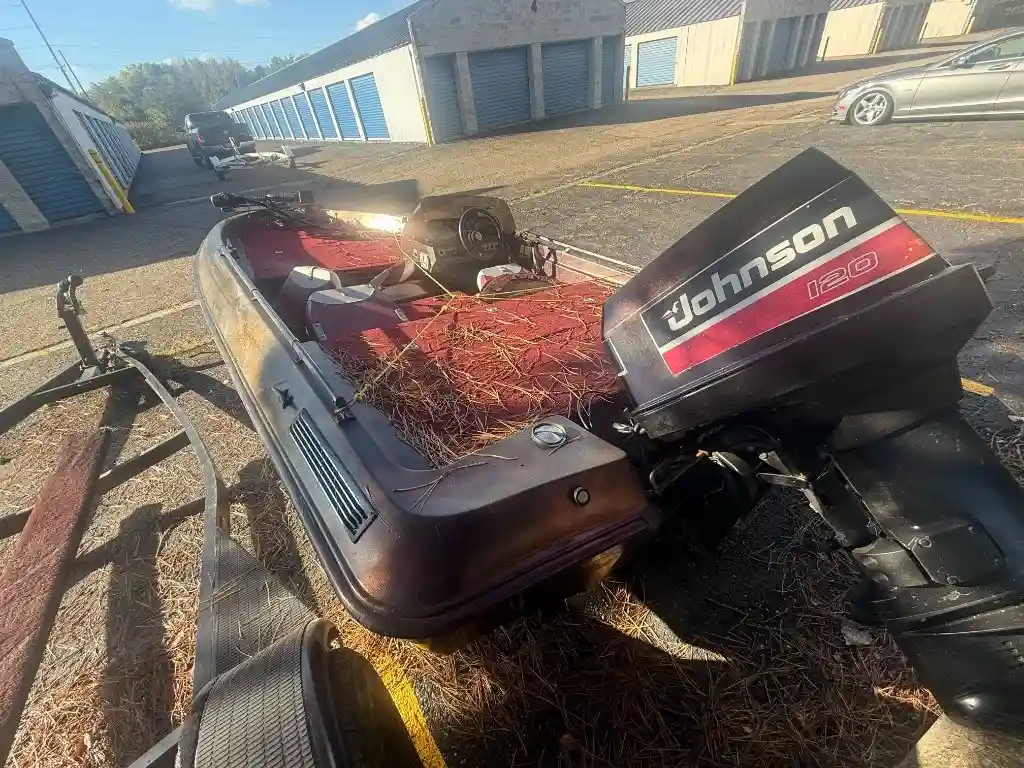
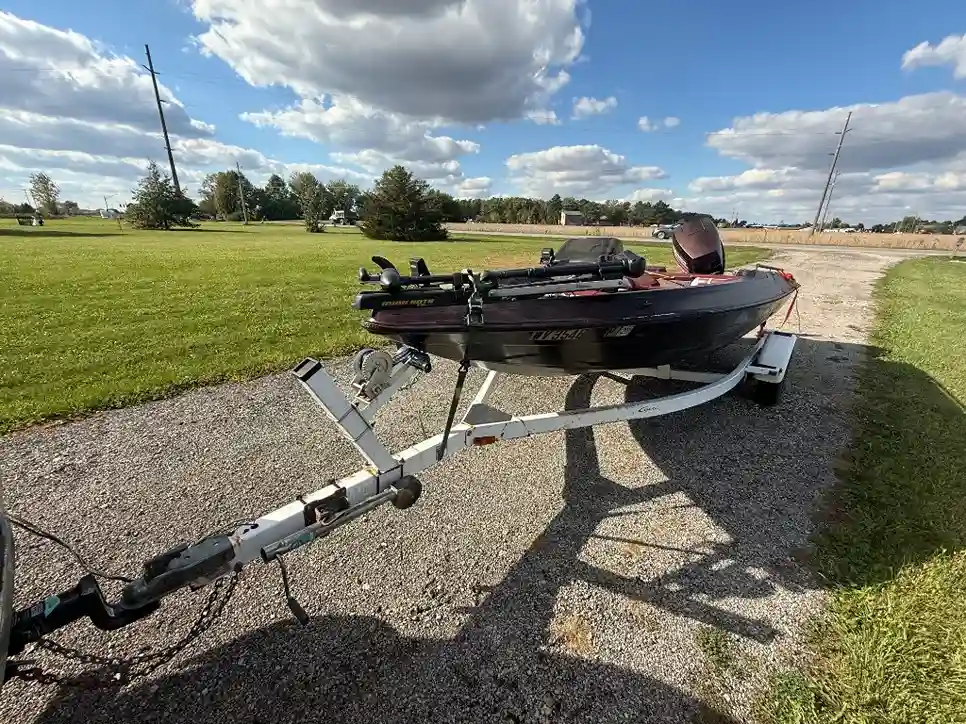
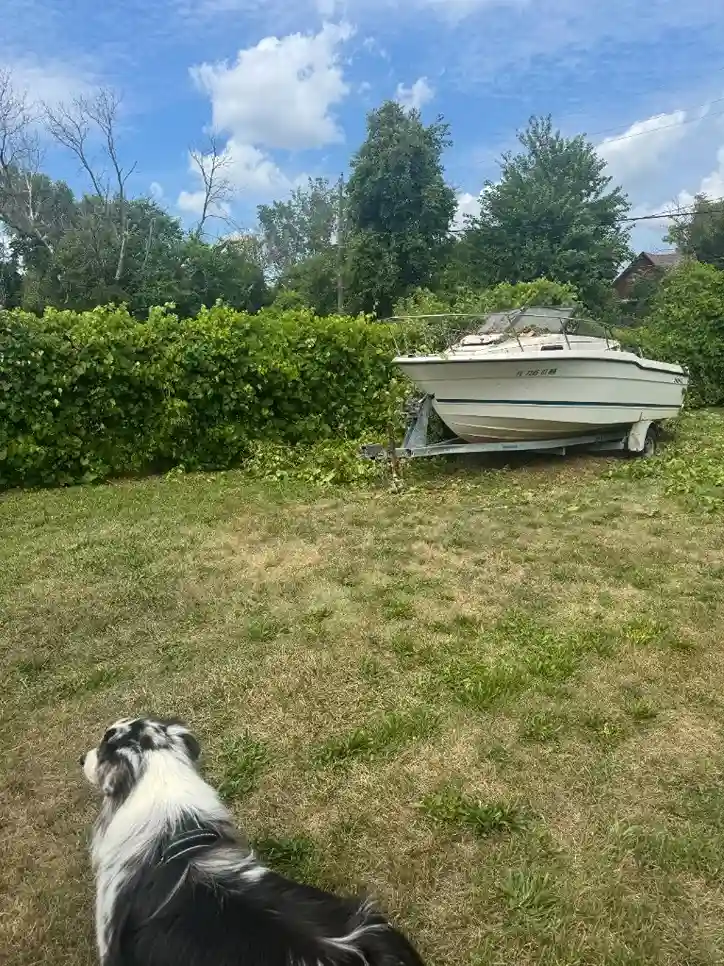
- Boats left sitting unused on trailers or stands.
- Aging sailboats and hulls damaged beyond repair.
- Derelict or abandoned vessels at marinas, yards, or private lots.
- Craft blocking water access, ramps, or boat slips.
- Vessels where the owner simply wants the property cleared.
- FAQ
Service Questions
Get answers to common questions about boat removal in Florida.

Request a project-specific removal quote
Send current vessel and access details for a project-specific estimate; the quote request is free, but the work is not automatically free. Use the contact page or call (904) 946-4709.
Crushed fiberglass and hazardous hulls go to specialized waste processors, while standard boats head directly to municipal transfer stations for disposal. Describe your vessel and where it sits, then send a few photos. You will get an estimate before any work begins, and the crew takes over from there.