
Boat removal and disposal in Parkland, FL

- The Florida Spirit
Boat removal service in Parkland
Parkland is a largely residential city in Broward County, so many unwanted boats here are not sitting at a busy commercial dock. More often they are on a side yard, in a driveway, beside a garage, in a storage area, or on a trailer that no longer rolls. A boat removal service for that kind of situation is mostly about planning: understanding what the vessel is, where it sits, who can authorize the work, and how it can be moved out safely.
Florida Boat Services reviews boat-removal requests across Florida. That does not mean there is an office in Parkland or that a particular date is available. Availability and final scope are confirmed for each project after we see the details you send.
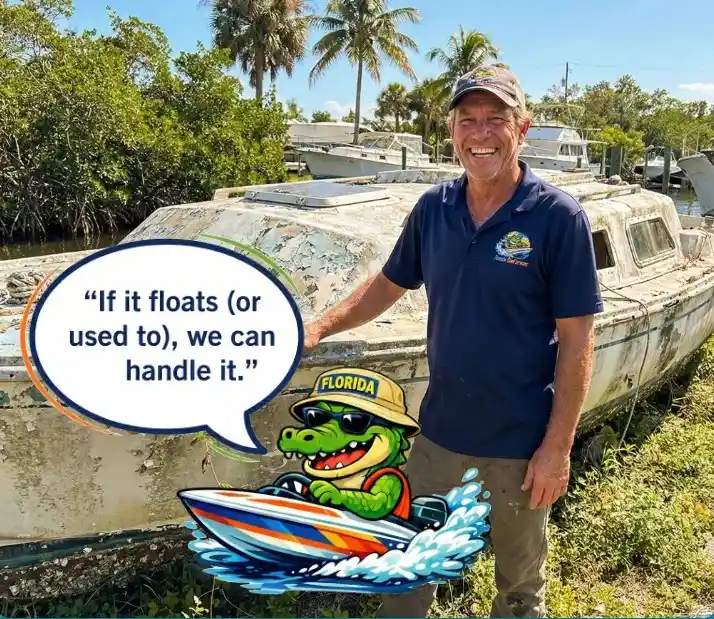
The service is meant for unwanted, damaged, non-running, or end-of-life boats. That includes an old fiberglass runabout that has been parked for years, a sailboat that no one plans to restore, a personal watercraft with a failed trailer, or a hull that has simply become more storage burden than asset. Depending on the confirmed scope, the work may include loading, dismantling, hauling, trailer handling, and disposal.
A realistic preparation scenario
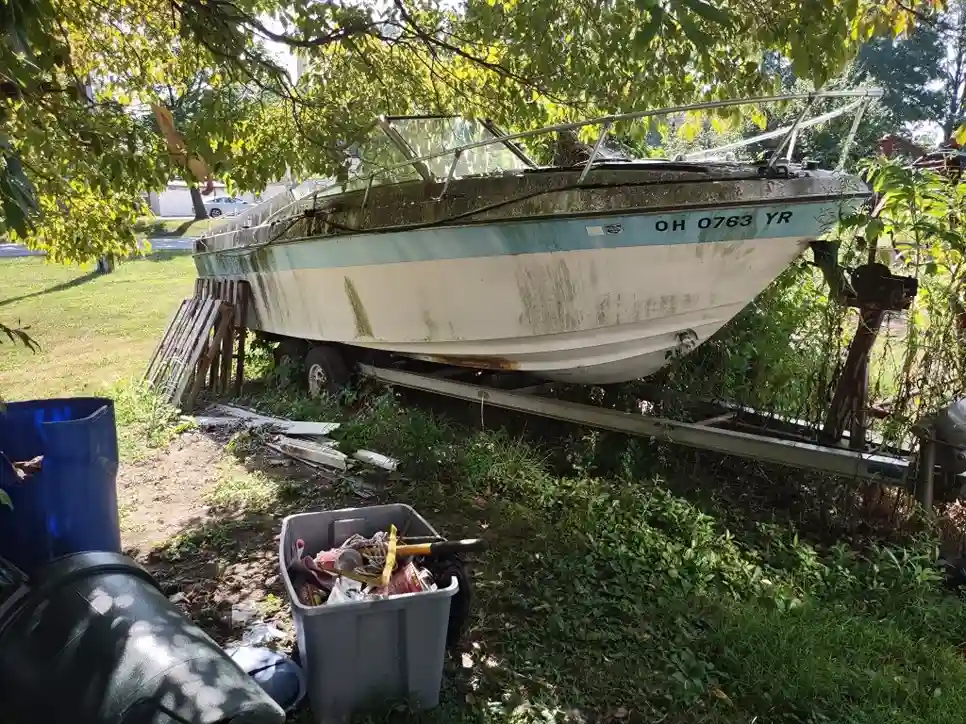
Imagine a homeowner with a cabin boat stored behind a gate. The tires are flat, the hull has soft spots, and a fence, a tight turn, or a neighbor's parked car may limit how a hauler can approach. Before anyone discusses scheduling, it helps to measure the gate opening, note any overhead lines or low branches, and photograph the route from the street to the boat. Those details often shape the removal scope as much as the boat itself.
If your vessel is near water instead, local geography can matter. The C-14 canal system and Sunset Lake across the county line are nearby waterbodies in public inventories, but that is only geographic context. It does not mean any specific launch, park, or waterway is used for a job. Your exact location and access conditions are what get reviewed.
Land or accessible removal versus submerged recovery
These are different projects. A boat on a trailer, on stands, or on private ground usually involves loading, hauling, and possibly dismantling. A vessel that is partly or fully underwater is a recovery problem first, and it raises questions about stability, debris, access from the shoreline or a dock, and what must happen before the hull can be moved. If your boat is sunk or taking on water, say so plainly in your request and include safe photographs taken from the shore or another secure position. Never enter the water or climb onto an unstable hull to take a picture.
This service does not cover human rescue or emergency response. If anyone is in danger, contact emergency services.
- All Vessel Types
Boat disposal scope
People searching for how to get rid of a boat or how to junk a boat usually want to know where the work starts and stops. Disposal is only one piece of the plan.
Conditions that get reviewed
- Vessel type and size: a small fiberglass boat, a pontoon, a sailboat with a mast and keel, and a personal watercraft each present different handling needs.
- Condition: running or non-running, structurally sound or deteriorated, intact or partly dismantled, afloat or sunk.
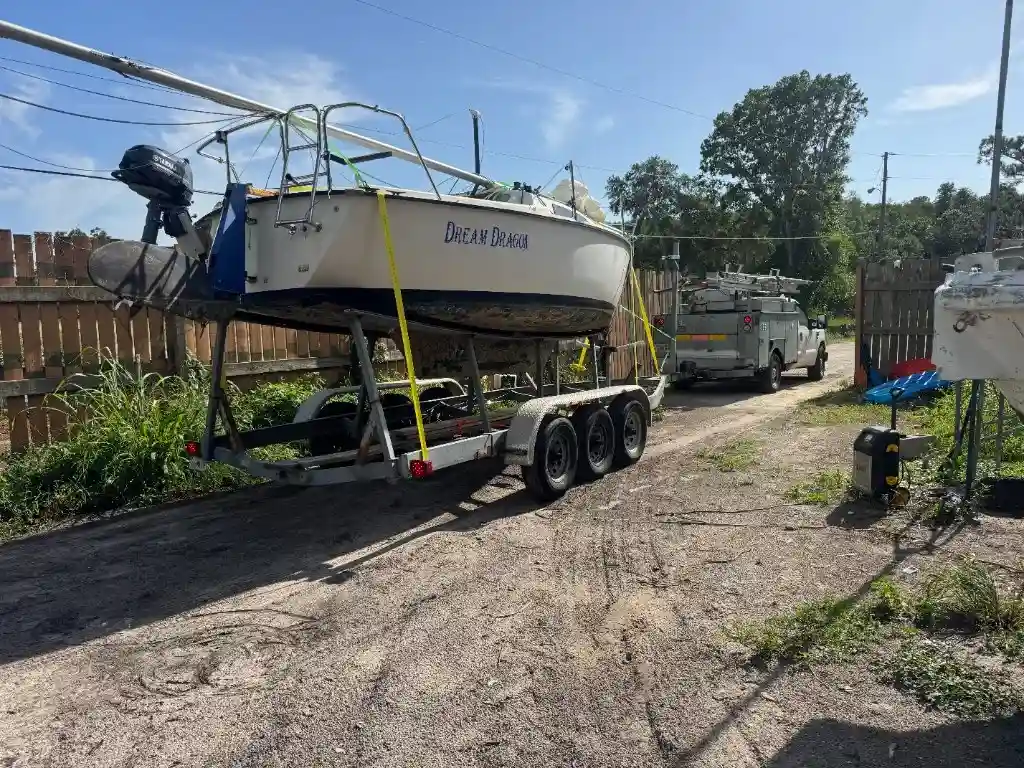
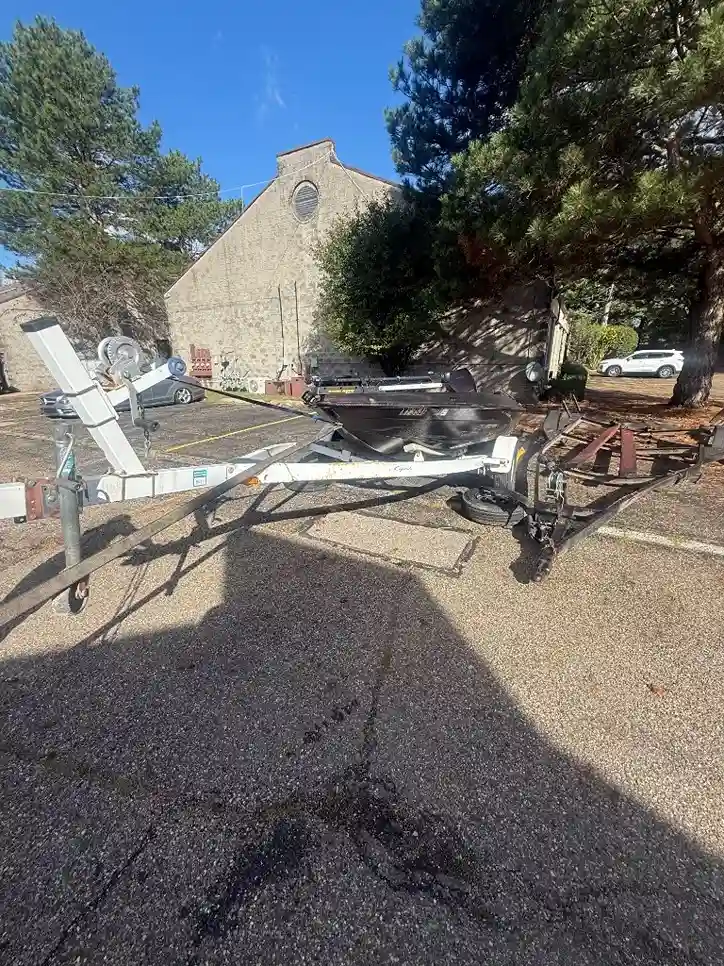
- Trailer status: whether a trailer is present, whether it can roll, whether tires and axles are usable, and whether the trailer is part of the removal.
- Contents: fuel, batteries, personal belongings, and loose equipment that must stay or leave before work begins.
- Authorization: who owns the boat or has the authority to approve its removal.
Access details that change the plan
Gate width, driveway slope, soft ground, overhead obstructions, tight turning space, HOA or property rules, and the distance from the boat to a truck-accessible spot all matter. For a marina, storage lot, or managed waterfront property, the site contact, facility restrictions, and any loading limits should be shared up front. Keep the agreed access route clear so that nothing delays work once it is confirmed.
Cost factors, not a price
Searches for boat disposal cost are understandable, but a number published without seeing the vessel would be a guess. Pricing is project-specific and depends on size, condition, location, access, equipment needs, trailer condition, recovery requirements, transport, and disposal scope. The quote request is free; the removal, recovery, transport, and disposal work are not automatically free.
Disposal destination and handling are also confirmed per project.
Request a boat removal quote
A useful request is specific and honest. Through the contact page, send as many of these details as you can:
- The type of vessel or PWC, with approximate length, width, and height if you know them.
- Its condition: running, non-running, damaged, abandoned, or submerged.
- Trailer status and condition.
- The exact location in or near Parkland, including whether the boat is on private property, in storage, or at a dock.
- Proof or a clear statement of ownership or removal authorization.
- Access notes: gate size, surface, obstructions, site rules, and a contact person.
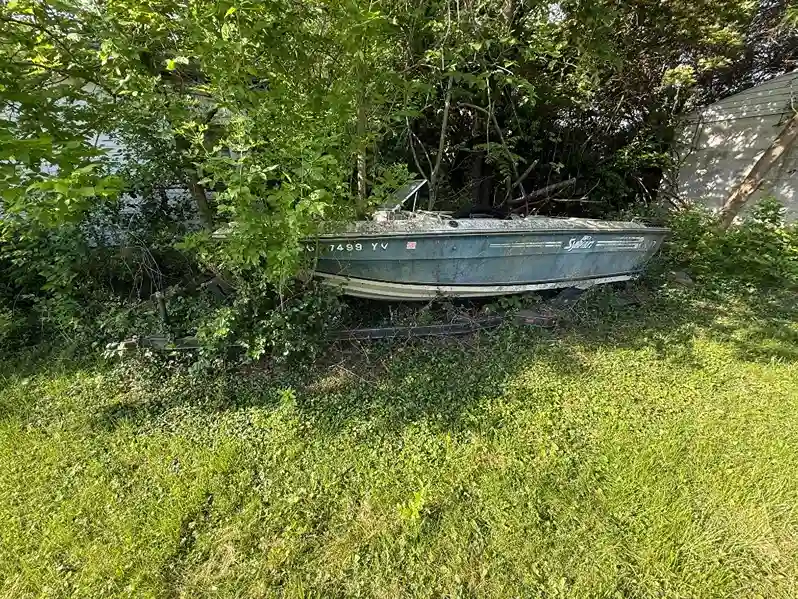
- Safe photographs showing the whole boat, the trailer, the hull condition, and the approach route.
Property managers, marinas, storage facilities, and waterfront property representatives should also include the full item list, the authorization on file, any restrictions on working hours or equipment, and who is responsible for the boat if ownership is unclear. That keeps the review focused on what can actually be arranged.
After reviewing the information, we confirm availability and define which parts of the work are included: loading, recovery, dismantling, hauling, trailer handling, transport, and disposal. You then have a project-specific estimate to compare against what you expected, rather than a vague range.
If you are comparing nearby options, you can also read about boat removal and disposal in Coral Springs or Boat Removal & Disposal in Watergate. For the full overview, see the Boat Removal & Disposal service hub or browse Florida service areas. Appearing on those pages is not a promise of availability; each request is reviewed individually.
Common Removal Situations
Work begins by clearing access routes around the site rather than starting immediate vessel demolition, then rigging the craft onto transport trailers for hauling. Crews handle these standard removal requests:
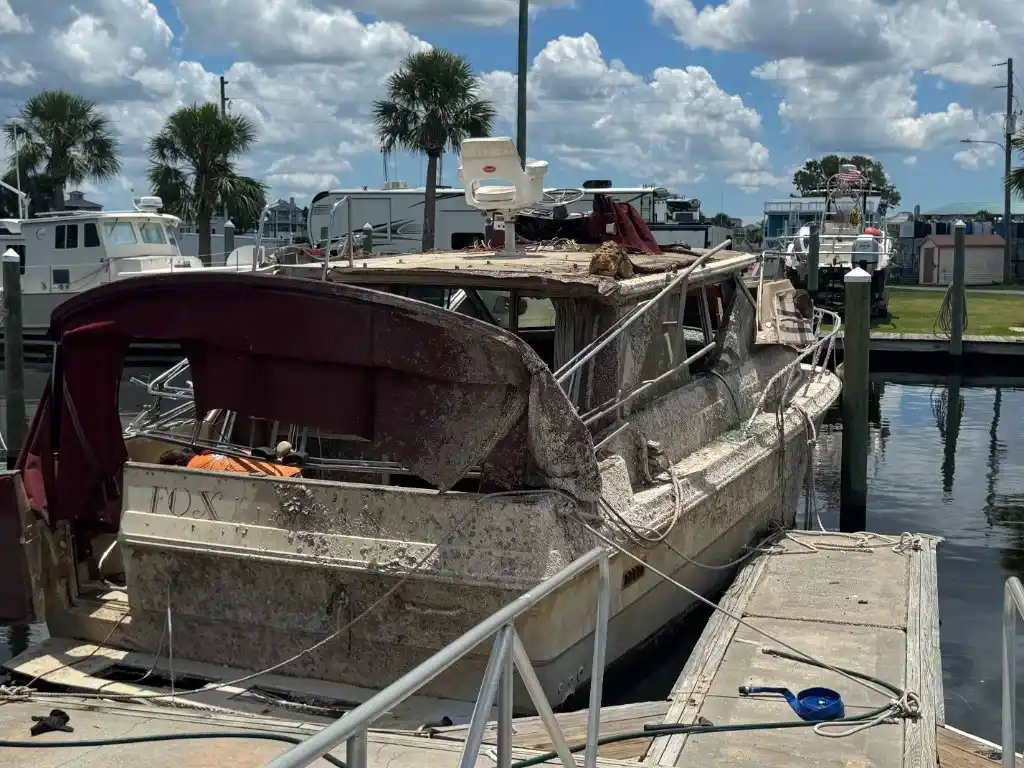
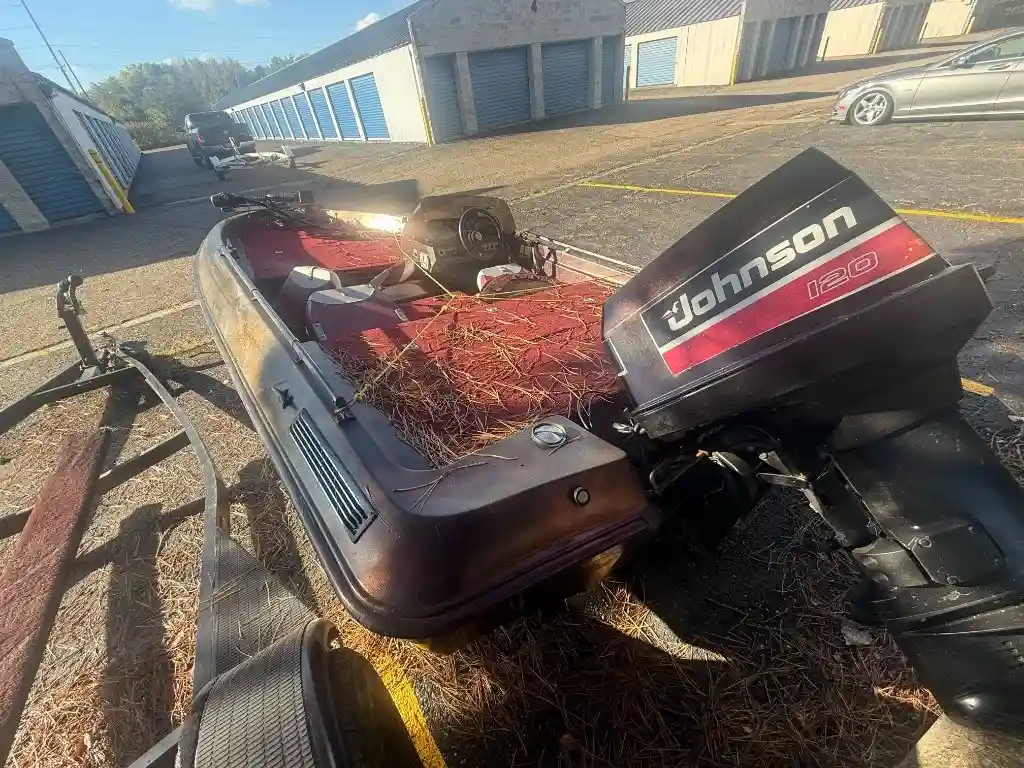
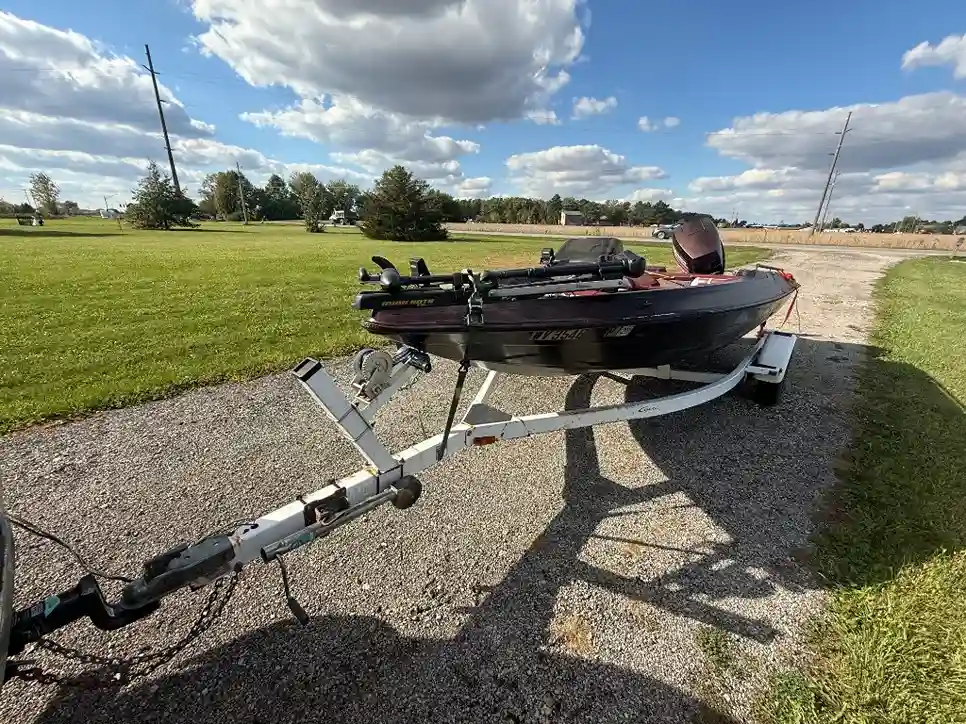
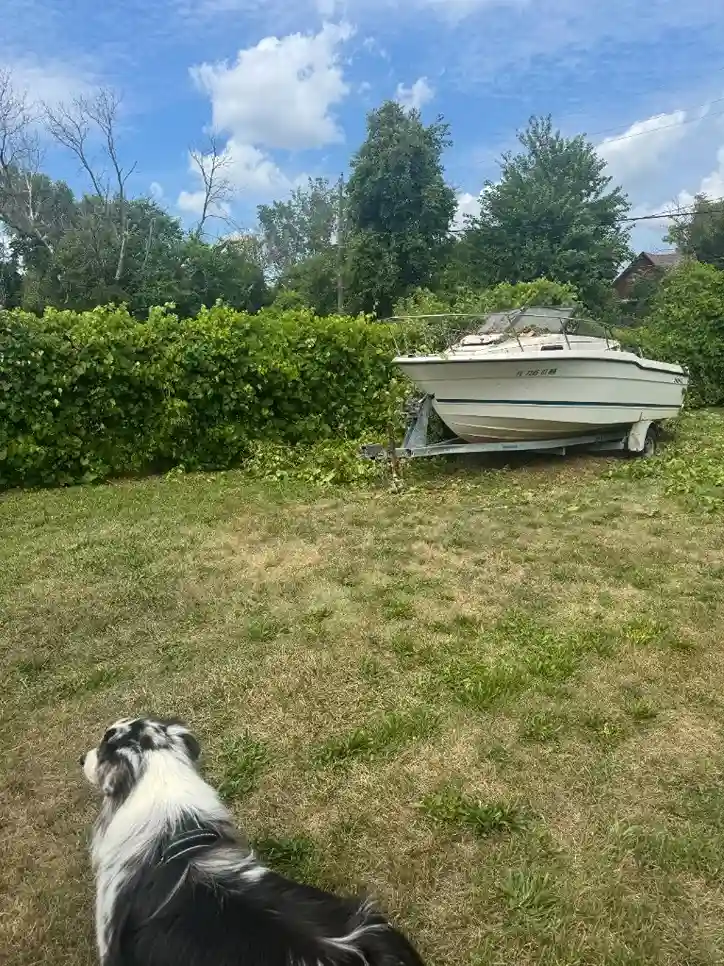
- Boats sitting unused for seasons in driveways or yards.
- Old powerboats and sailboats damaged beyond practical repair.
- Abandoned or derelict vessels left at marinas or on private property.
- Hulls blocking water access or creating hazards in navigating channels.
- Craft where the owner simply wants the equipment taken away.
- FAQ
Service Questions
Get answers to common questions about boat removal in Florida.

Request a project-specific removal quote
Send current vessel and access details for a project-specific estimate; the quote request is free, but the work is not automatically free. Questions first? Call (904) 946-4709.
Reclaim your yard, driveway, or slip and get your space back. Tell us what kind of boat you have and where it sits, then send over a few clear photos. You will receive an estimate before any work begins. Once you approve it, the crew takes over the loading, hauling, and disposal.