
boat removal and disposal in Palm Springs North, FL

- The Florida Spirit
Boat removal service in Palm Springs North
Palm Springs North is a census-designated place in Miami-Dade County, and many boats here are not sitting at a working dock. More often they are parked on a driveway, along a side yard, in a storage lot, or behind a building, waiting for someone to decide what happens next. A boat removal service helps turn that situation into a defined plan: what is leaving, how it gets out, and who handles each step.
Florida Boat Services reviews boat-removal and marine-removal requests throughout Florida. We do not operate a local office in Palm Springs North, and availability is confirmed project by project rather than assumed. What we can do is review your details and tell you whether the work fits and what the scope would include.
The boats we review for removal are typically unwanted, damaged, non-running, or at the end of their useful life. Common examples include:
- A fiberglass powerboat with soft flooring, a failed engine, or storm damage
- A sailboat that no longer gets used and has become a storage burden
- A personal watercraft with a trailer that will not roll
- A neglected hull left on managed property that the owner or manager needs cleared
If you are trying to figure out how to get rid of a boat that no longer runs, the first step is usually not the haul itself. It is confirming who has authority to release the vessel and what the site allows.
Land-based removal versus submerged recovery
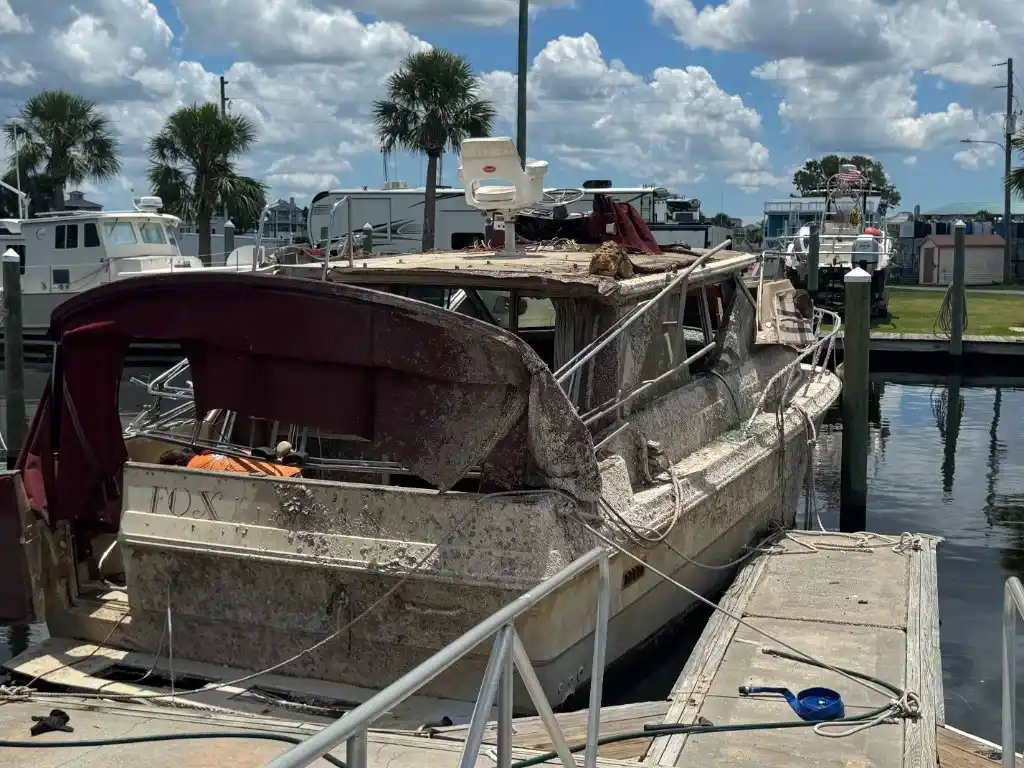
These are different projects. A boat on a trailer or on stands in a reachable spot is ordinary removal: the work centers on access, loading, hauling, and disposal. A vessel that is partly or fully underwater is a recovery problem first, and it needs a separate review of the location, water conditions, and what must happen before anything can be lifted or moved. If your boat is sunk or taking on water, say so plainly when you contact us, and include photographs taken from a safe position. Please do not enter the water or climb aboard a compromised hull to get a picture.
Inland owners sometimes assume nearby water is the main factor. The area sits between canals and conservation lands; for context, the L-30 Canal and Water Conservation Area 3B appear in regional records. That is geographic background only, not a statement that we serve or use any particular waterway. For most Palm Springs North requests, the practical questions are street access, gates, overhead clearance, and the ground under the boat.
- All Vessel Types
Boat disposal scope
Boat disposal is not one fixed task. Depending on the vessel and the site, a confirmed quote may include some or all of the following: loading, dismantling, hauling, trailer handling, transport, and disposal. Each item is listed only when it has been reviewed and agreed, so you know what you are paying for and what remains your responsibility.
What shapes the scope
- Vessel type and size. A small fiberglass runabout and a larger sailboat with a mast and keel are very different jobs.
- Condition. Rot, structural damage, missing parts, standing water, or a collapsed trailer can change how the boat must be handled.
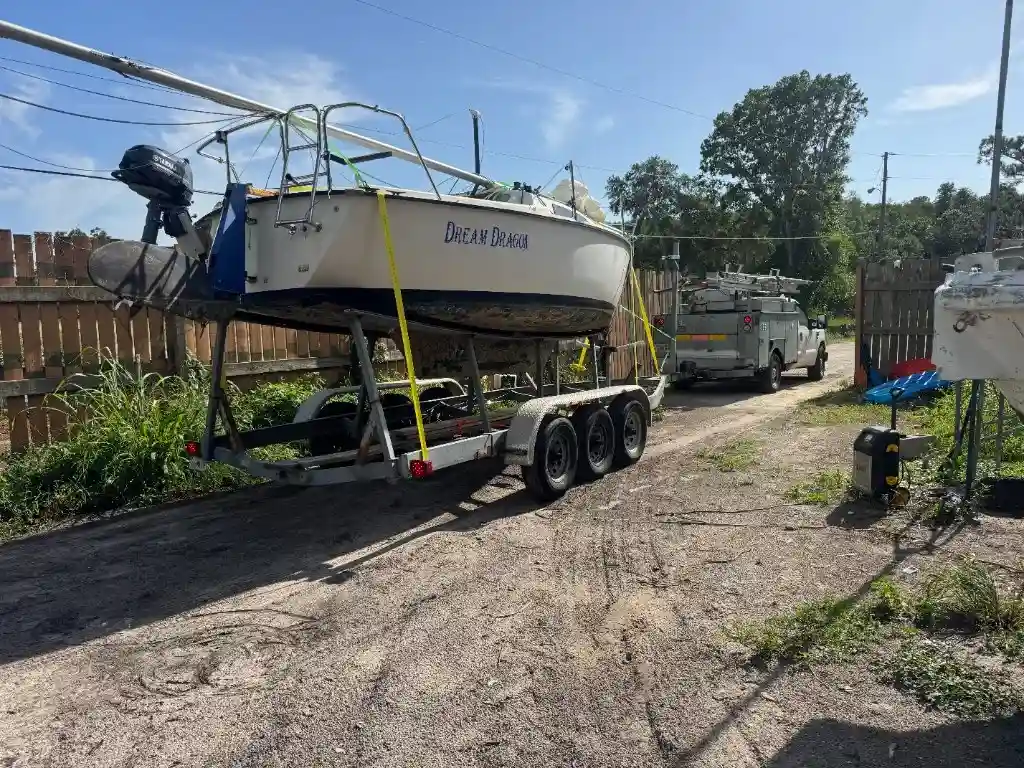
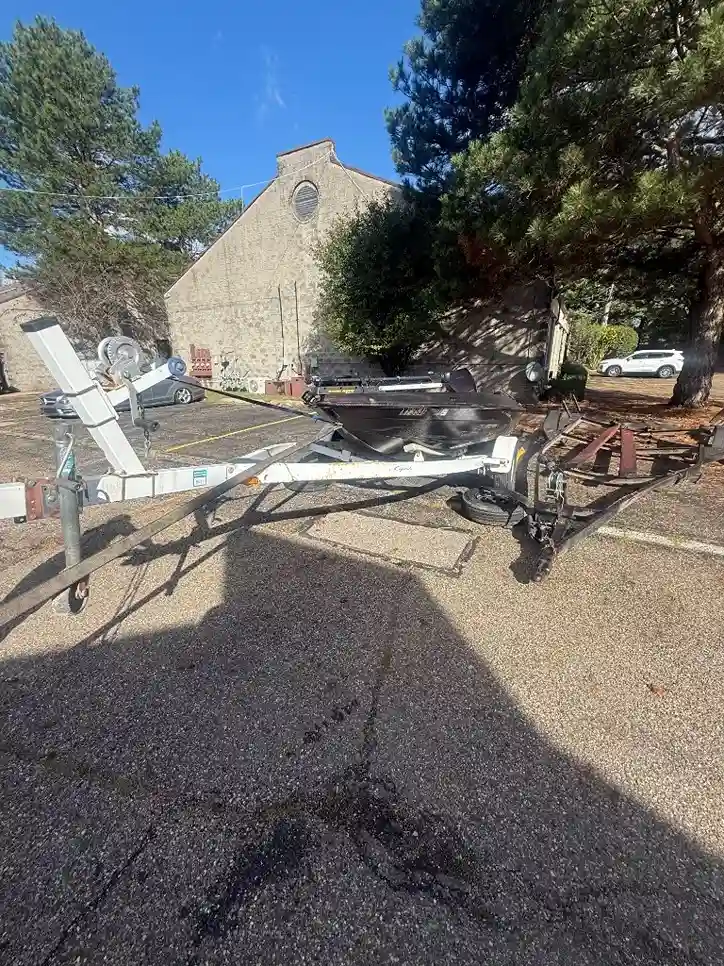
- Trailer status. A road-ready trailer, a trailer with flat tires or seized bearings, and no trailer at all each call for a different plan.
- Location and access. Narrow driveways, soft ground, locked gates, tight turns, and low branches or wires all matter.
- Site rules. Managed properties may limit work hours, vehicle size, or where items can be staged.
- Disposal requirements. What the hull is made of, and what is on or inside it, affects how disposal is planned. Fiberglass boat disposal, for instance, often involves dismantling decisions that are reviewed per project.
Authorization comes first
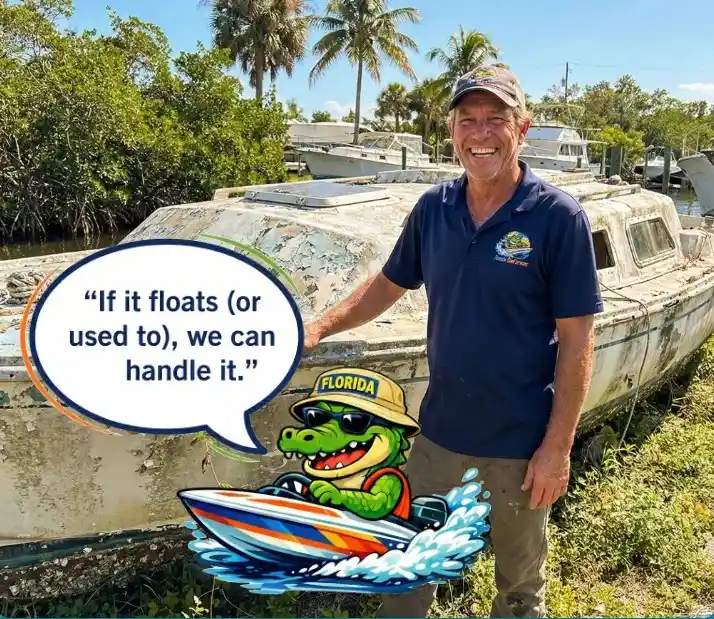
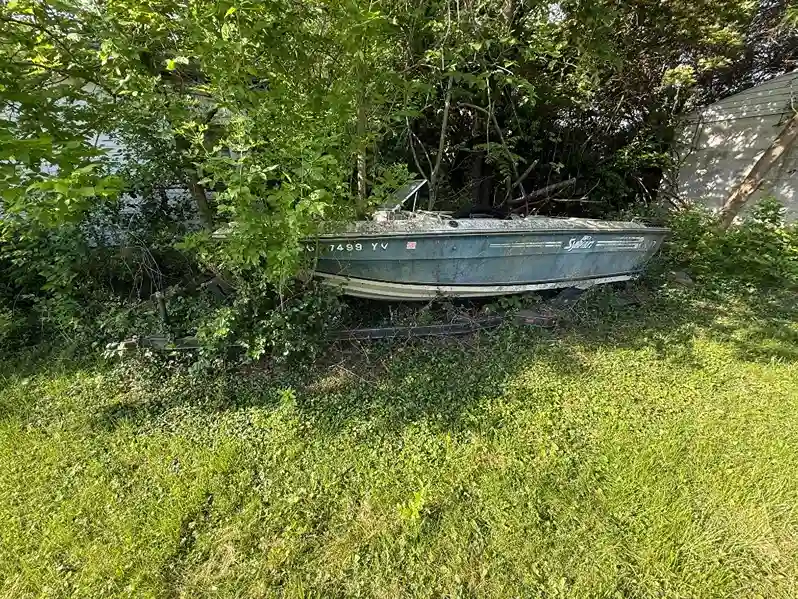
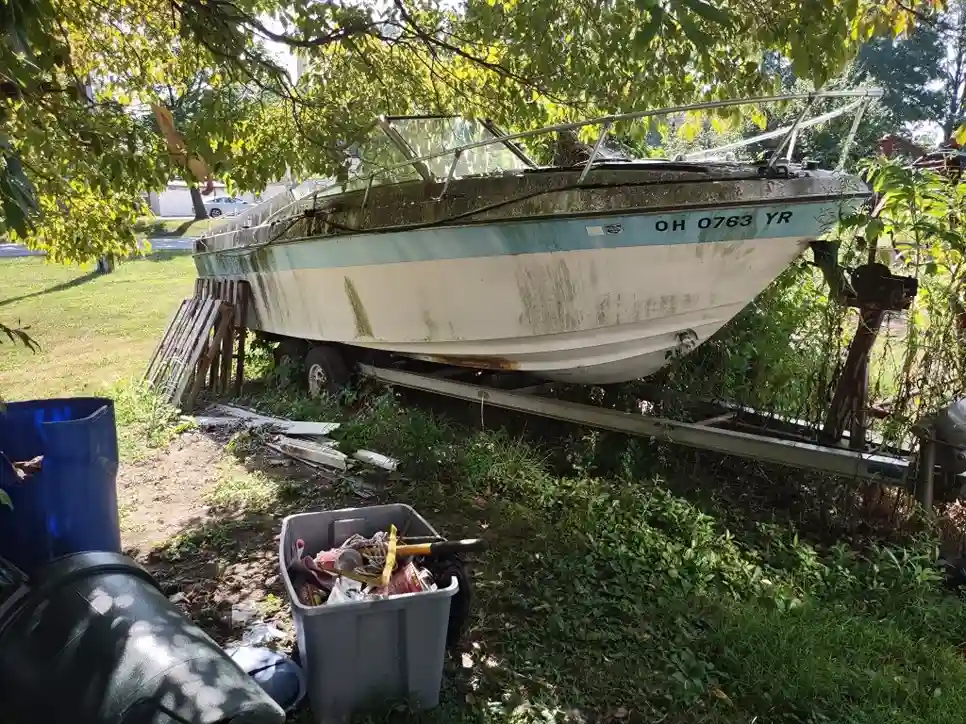
We need to know the person requesting removal is allowed to release the vessel. Owners should be ready to confirm ownership or removal authority. Property managers, marinas, storage operators, and waterfront representatives should provide the site contact, any facility restrictions, written authorization where it applies, and a complete list of everything to be removed. A boat that sits next to a second boat, a loose trailer, and a pile of equipment is a different project than the single hull in the photo.
What affects cost
People often search for boat disposal cost expecting a single number. We do not publish one, because pricing depends on size, condition, location, access, equipment needs, trailer condition, any recovery requirements, transport, and the disposal scope. The quote request is free, but removal, recovery, transport, and disposal are not automatically free.
Request a boat removal quote
A useful request is specific. Before you reach out, gather the following:
- Boat or PWC type, and approximate length and width
- Current condition, including whether it floats, runs, or has visible damage
- Trailer status and whether the trailer is included in removal
- The exact location, including how a truck would reach it
- Ownership or authorization details
- Site restrictions, gate codes or contact names, and any items that must stay
- Safe photographs showing the whole vessel, the surrounding space, and the access route
Once we have that, the review focuses on access and defines which of loading, recovery, dismantling, hauling, trailer handling, transport, and disposal are part of the job. Before any scheduling, keep the agreed access route clear and confirm what must remain on site and what leaves with the vessel.
If you are comparing options, you may also look at how similar requests are handled nearby in Boat Removal & Disposal in Opa-locka or Boat Removal & Disposal in Hialeah. You can also browse the Florida service areas or return to the main Boat Removal & Disposal service hub. Appearing on those pages does not guarantee availability for a specific address; that is confirmed individually.
When you are ready, request a project-specific quote with your vessel, ownership, location, and access details.
Common Removal Situations
When an unwanted vessel can no longer be repaired or sold, removing it becomes the only clear option. Owners usually need to know if the boat can be hauled away, how it will be moved, and where it goes once it leaves the property.
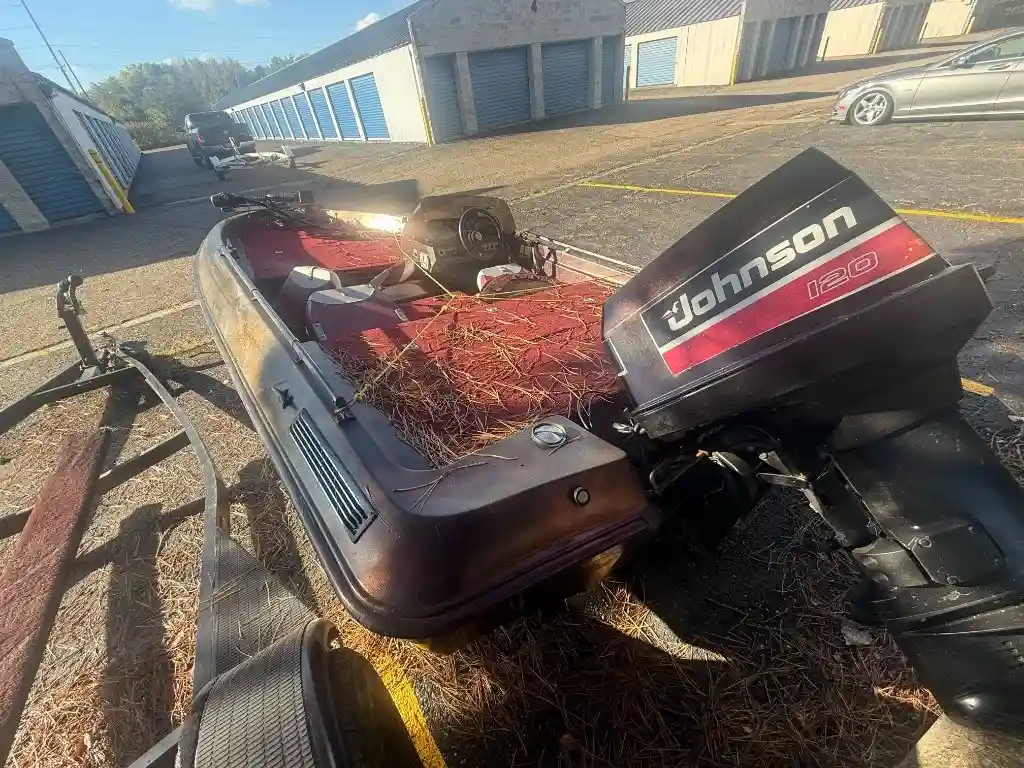
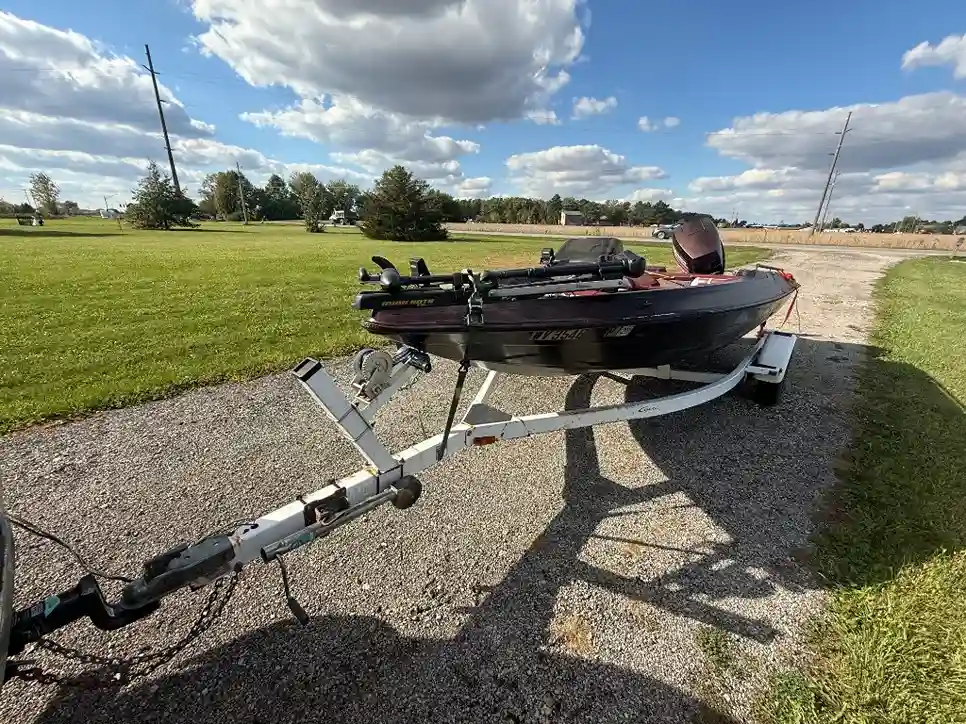
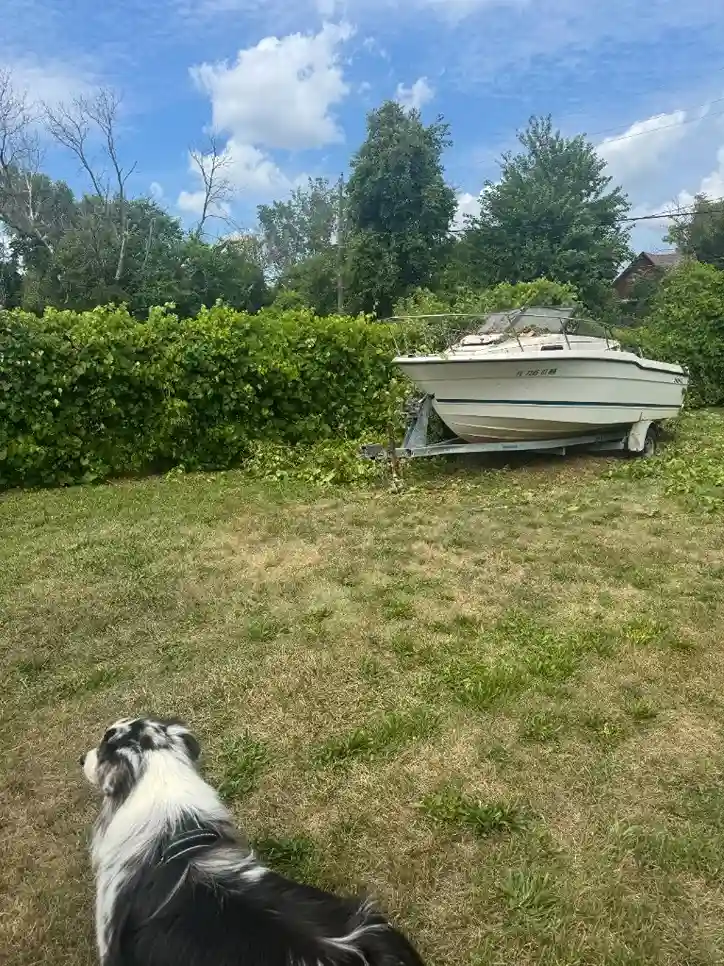
- Boats that have sat unused for years and no longer run
- Old powerboats and sailboats with rotted hulls or structural failures beyond economical repair
- Abandoned or derelict vessels left at marinas, storage yards, or private property
- Vessels blocking water access, slipping off trailers, or posing hazards
- Owners who want the vessel cleared out immediately without handling transport
- FAQ
Service Questions
Get answers to common questions about boat removal in Florida.

Request a project-specific removal quote
Send current vessel and access details with safe photographs for a project-specific estimate. The quote request is free, but the work is not automatically free. You can also call (904) 946-4709 to ask about your request.
You keep the signed bill of sale and destruction documentation without spending your weekend dragging a rotted hull to a landfill that might reject it. Send photos, describe the vessel, and tell us where it sits. You get an upfront estimate before any work starts, then the crew handles the hauling, loading, and disposal.