
Boat removal and disposal in Monticello, FL

- The Florida Spirit
Boat removal service in Monticello
If you are trying to work out how to get rid of a boat in Monticello, the first step is describing the vessel and the site accurately. Florida Boat Services reviews boat-removal requests across Florida. This page covers unwanted, damaged, non-running, and end-of-life boats and personal watercraft. We do not have a local office in Monticello, and availability is confirmed for each project, not assumed from the city name.
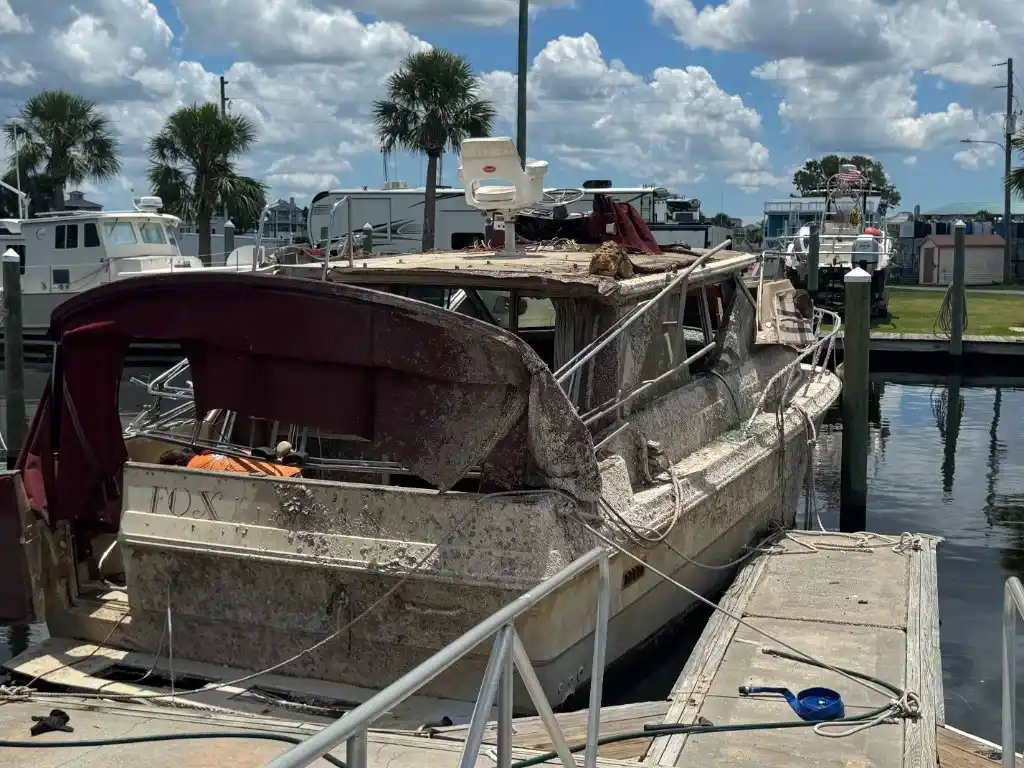
Depending on what the quote confirms, removal can include loading, dismantling, hauling, trailer handling, and disposal. Not every job needs every step. A small boat on a working trailer in an open yard is a different project from a cracked hull sitting under tree cover on a rotted trailer.
A preparation scenario worth planning for
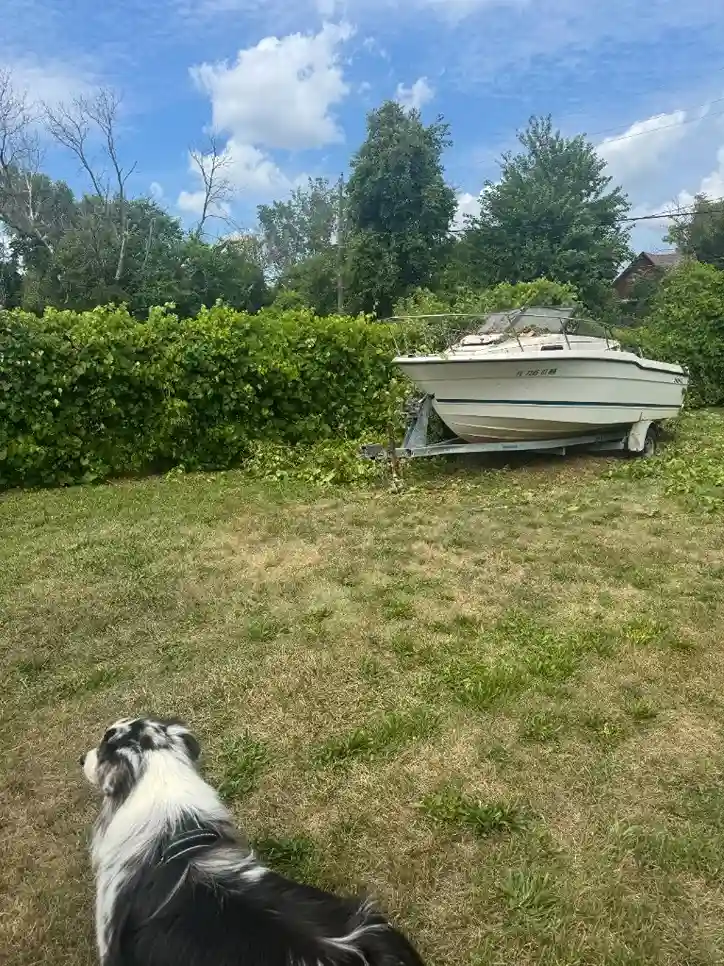
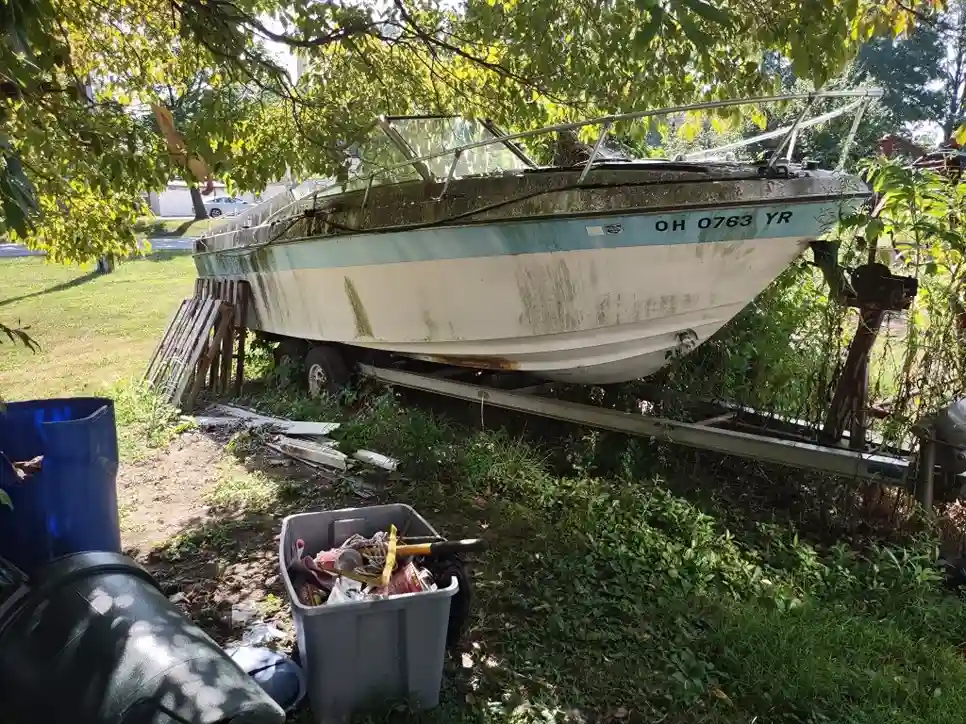
Picture a boat that has sat for years at the back of a rural property, behind a gate and at the end of a soft gravel drive. The trailer tires are flat, the hull has weathered, and nobody is sure the title paperwork is in one place. The owner may think of this as junk boat removal and expect a simple pickup. In practice the access route carries much of the project: gate width, overhead limbs, ground firmness, turning room, and whether the trailer can roll or must be handled another way.
Photos of the drive and the boat's surroundings help the review as much as photos of the hull. This is an example of how to prepare, not a description of any past job.
Land removal versus submerged recovery
Ordinary removal covers a vessel that is on land or at an accessible dock, ramp, or storage area where it can be reached and loaded. Submerged or partly sunken vessels are a separate category, and recovery has to be defined before removal or disposal. Water depth, bottom conditions, fuel or fluids, and shoreline access all affect scope. If a boat is in or beside water, such as a waterbody like Lake Miccosukee, say so in your request. The lake is mentioned only as nearby geographic context. It does not mean any ramp or shoreline there is open, suitable, or part of a job. Access and permission are reviewed project by project.
- All Vessel Types
Boat disposal scope
Boat disposal is the part many owners underestimate. Hauling a vessel away and disposing of it are related, but the quote should state what is actually included. Hull material, size, weight, trailer condition, and what is attached to the vessel all shape the plan. Fiberglass boat disposal usually calls for different handling than a small aluminum skiff, and sailboat disposal can involve a mast, rigging, a keel, or a cradle that must be addressed before anything moves.
These are the details that most often change the scope:
- Vessel type and size: boat, sailboat, pontoon, or personal watercraft, with approximate length, width, and height on the trailer.
- Condition: whether it floats, rolls, or is structurally compromised, and whether it has been stripped or partly dismantled.
- Trailer status: whether a trailer is present, whether it has a title or tags, and whether the tires and axle can bear movement. The trailer may be part of the removal or something that must stay, and that should be confirmed up front.
- Exact location: a street address or clear description of where the vessel sits, including any gates, soft ground, slopes, or low limbs.
- Authorization: who owns the vessel, or who has the authority to approve its removal from the property.
- Site rules: any restrictions on hours, vehicle size, or staging at a managed property.
For property managers, storage operators, and marinas
If a vessel is occupying managed property, the review also needs the site contact, facility restrictions, written authorization, and a complete item list. Include any extras that belong to the boat, such as engines, tanks, loose gear, or a second trailer. Clarify who is responsible for clearing the access route and what must stay on site or leave before work begins. Settling these points before scheduling avoids surprises on the day of work.
What affects cost
Pricing is project-specific. It depends on size, condition, location, access, equipment needs, trailer condition, recovery requirements, transport, and the disposal scope. People searching for boat disposal cost often want a single figure, but two boats of the same length can need very different work. A quote should name the services included so you can see exactly what you are agreeing to. The quote request is free, but removal, recovery, transport, and disposal are not automatically free.
Request a boat removal quote
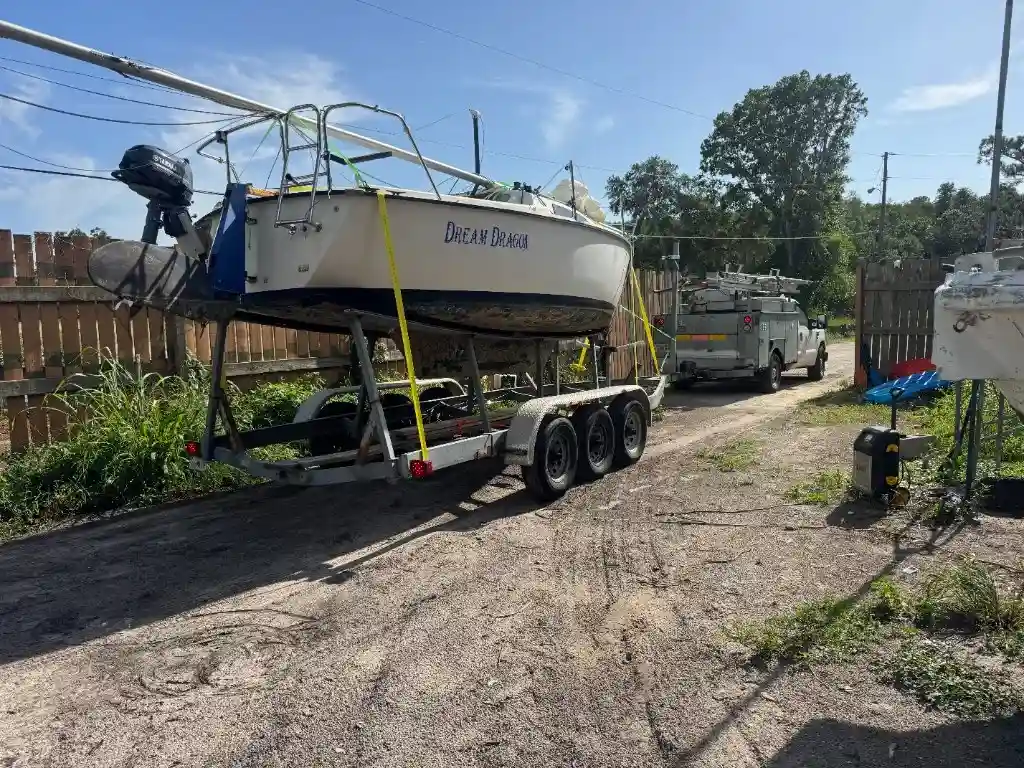
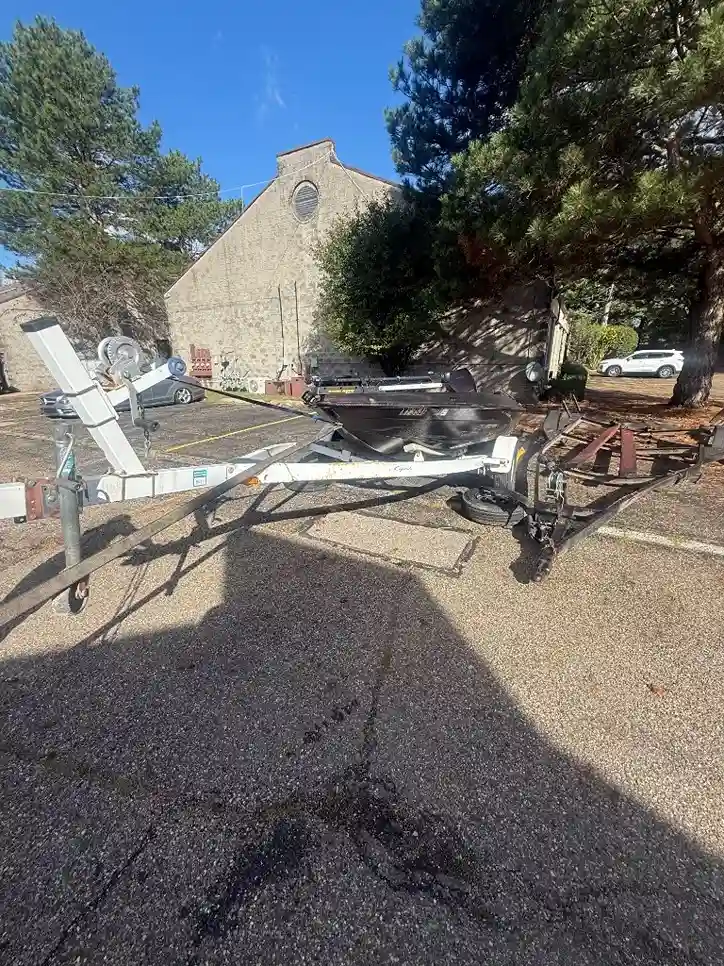
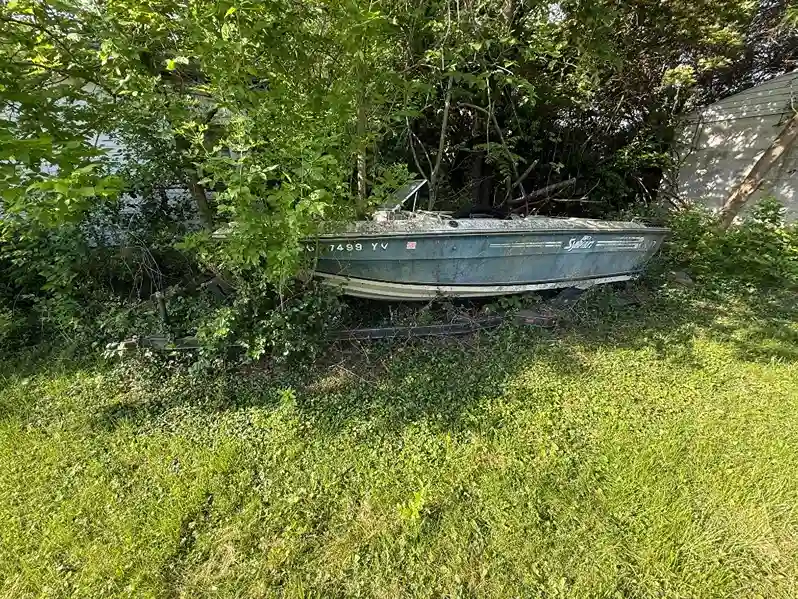
Use the contact page to request a project-specific quote. Send the boat type, approximate dimensions, condition, trailer status, exact location, and proof of ownership or authorization. Add safe photographs taken from the ground. Do not climb on a damaged hull, step onto unstable decking, or enter the water to get a better angle. Helpful photos include:
- The full vessel from both sides, plus the bow and stern.
- The trailer, tires, and hitch area, if there is a trailer.
- The access route from the road to the vessel, including gates and overhead obstacles.
- Any damage, standing water, or items that need to be removed with the boat.
With those details, the removal scope can be defined before scheduling. That means confirming whether loading, recovery, dismantling, hauling, trailer handling, transport, and disposal are included, and what has to be done on site beforehand. Keep the agreed route clear so the work does not stall.
If your vessel is actually in a different part of the region, you can look at the pages for Boat Removal & Disposal in Greenville or Boat Removal & Disposal in Bradfordville. Those pages are not a promise of coverage in any town. For the wider picture, see the Florida service areas overview or the main Boat Removal & Disposal service page. Availability is always confirmed for the individual project.
Common Removal Situations
Work begins by clearing access routes around the site rather than starting immediate vessel demolition, then rigging the craft onto transport trailers for hauling. Crews handle these standard removal requests:
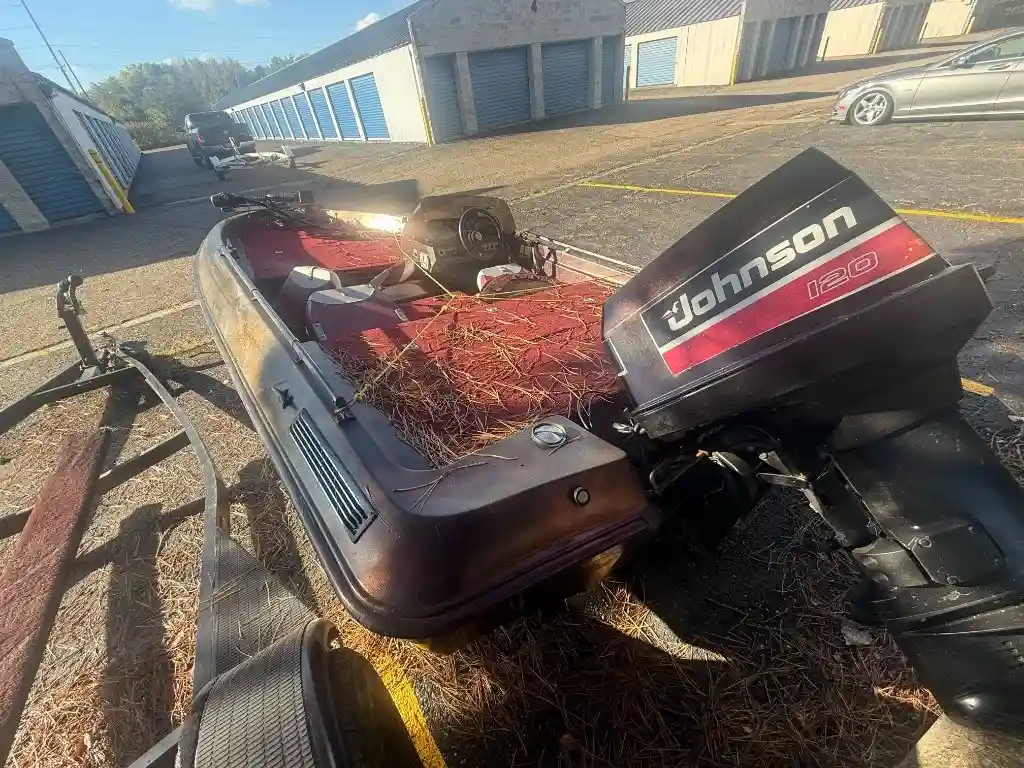
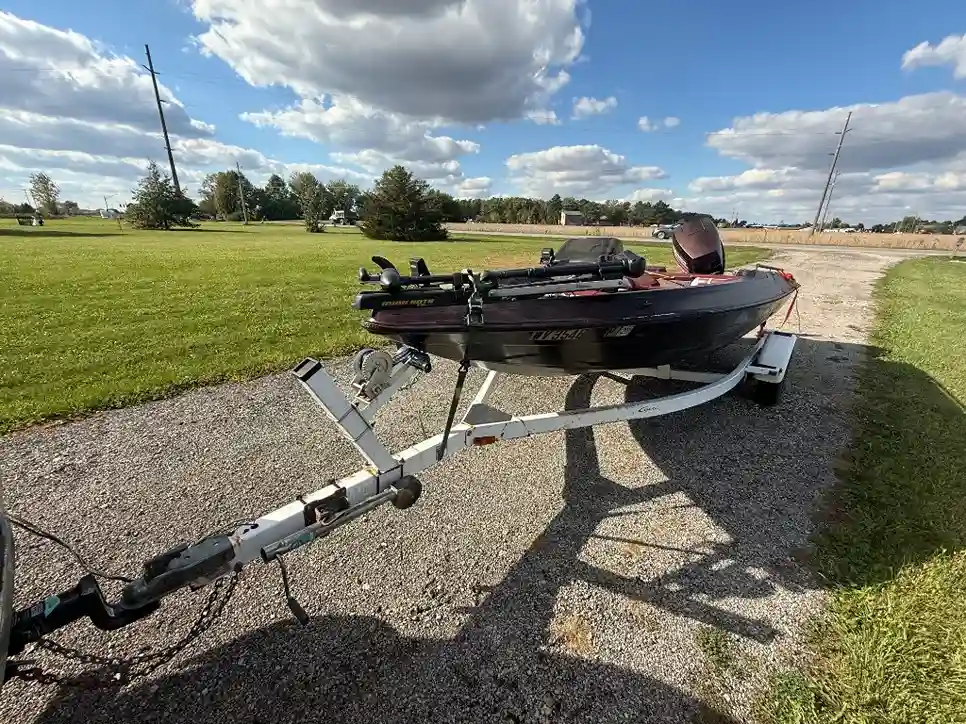
- Boats sitting unused for seasons in driveways or yards.
- Old powerboats and sailboats damaged beyond practical repair.
- Abandoned or derelict vessels left at marinas or on private property.
- Hulls blocking water access or creating hazards in navigating channels.
- Craft where the owner simply wants the equipment taken away.
- FAQ
Service Questions
Get answers to common questions about boat removal in Florida.

Request a project-specific removal quote
Send current vessel and access details through the contact page, or call (904) 946-4709. The quote request is free, but the work is not automatically free. Final scope and availability are confirmed after review.
On haul-away day, the crew arrives with the heavy gear, loads the vessel onto a trailer, and clears the site completely. Getting to that point takes just a few steps. Describe the boat and where it sits, send over clear photos, and receive an estimate. Once approved, the team handles all the physical work.