
Boat removal and disposal in Manatee Road, FL

- The Florida Spirit
Boat removal service in Manatee Road
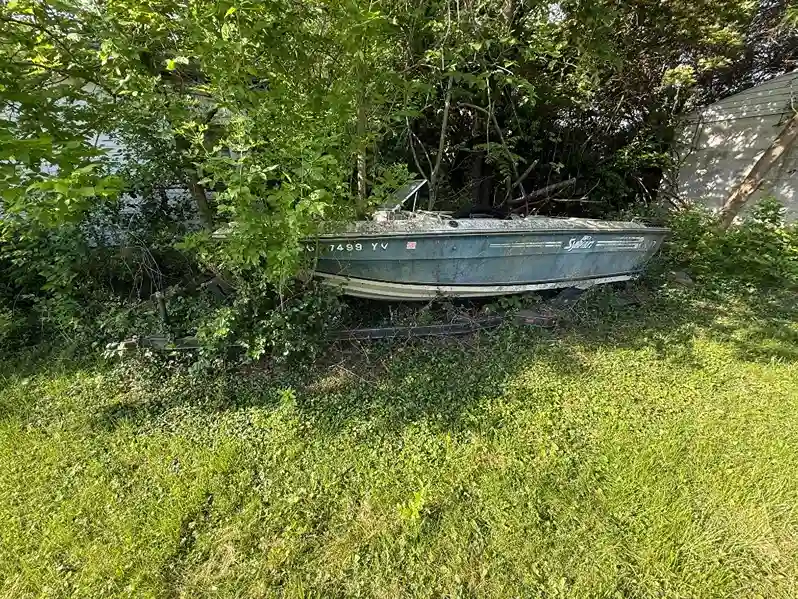
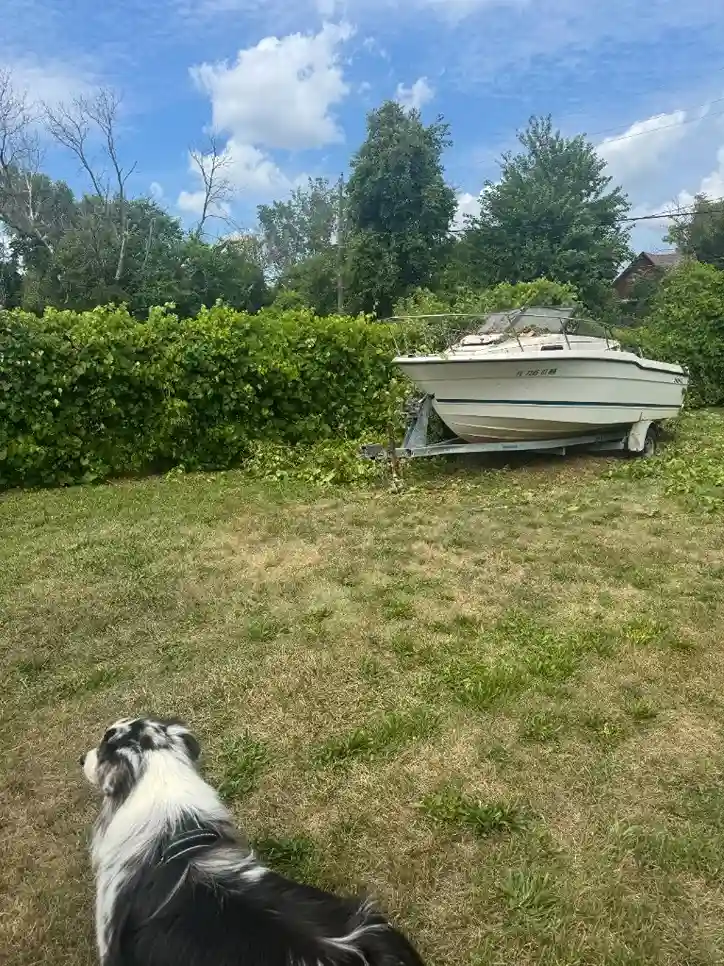
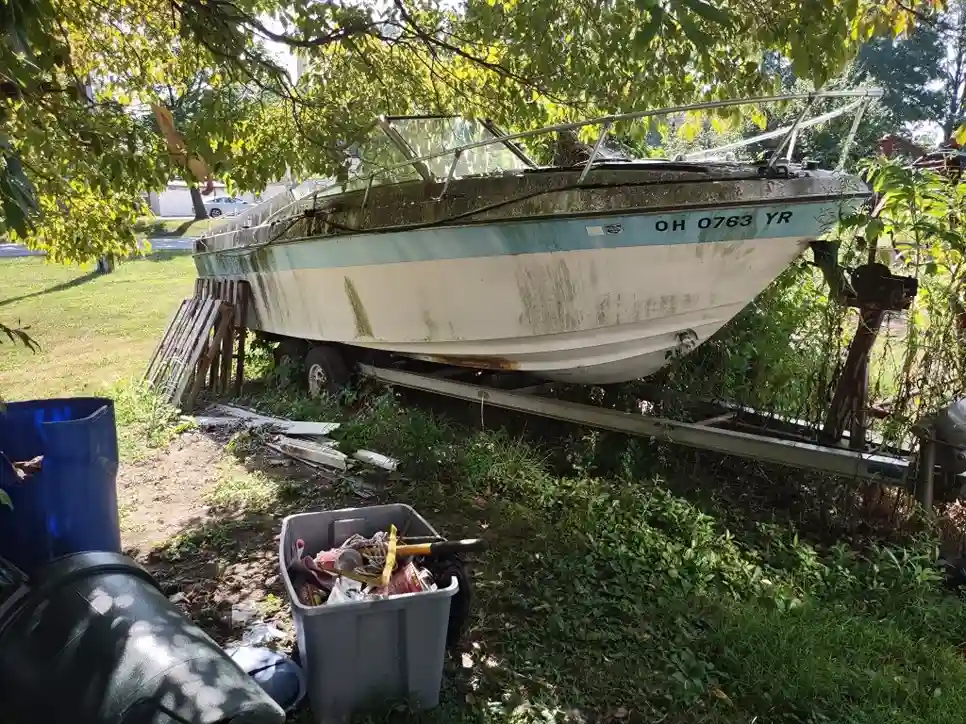
Manatee Road is a census-designated place in Levy County, and many boats in inland communities like it are not sitting at a dock. They are more often parked beside a shed, tucked behind a house, left on a failing trailer, or stored on a larger parcel after the owner stopped using them. A boat removal request for an area like this usually starts with a practical question: can the vessel be reached, loaded, and hauled away safely?
Florida Boat Services reviews boat-removal and marine-removal requests throughout Florida. This page is about Manatee Road, but it does not suggest a local office or guaranteed availability in the area. Whether a project can be taken, and what it would include, is confirmed individually after the details are reviewed.
Boat removal is meant for unwanted, damaged, non-running, or end-of-life boats. Depending on what is confirmed in the quote, the work may include loading, dismantling, hauling, trailer handling, and disposal. If you have searched for ways to junk a boat or get rid of one that no longer runs, the first step is the same: describe the boat and the site accurately so the removal scope can be defined.
Land removal versus submerged recovery
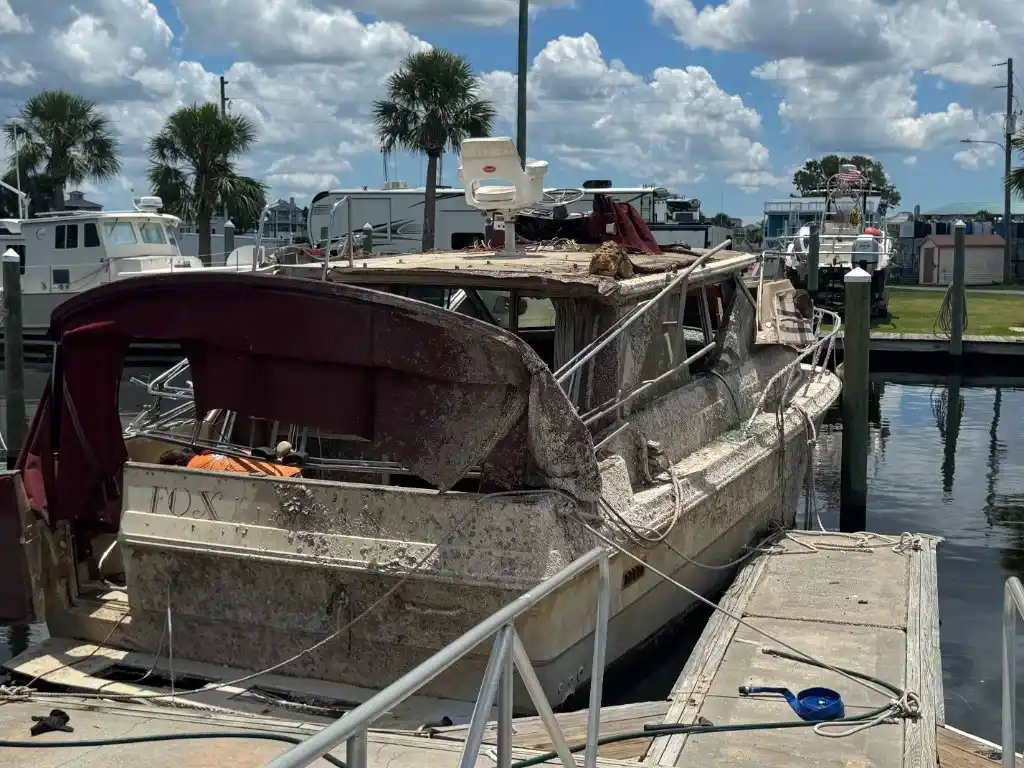
A boat on dry ground with a clear approach is a different job from a vessel that is partly sunk, grounded, or underwater. Land removal centers on ground conditions, turning room, overhead clearance, and whether the hull can be moved intact. Submerged-vessel recovery adds questions about water access, the vessel's position, and what must be done before anything can be hauled. Please say plainly which situation you have, and send photographs that show it as it is.
For context only, the Suwannee River is the nearest documented waterbody to Manatee Road, and state boat-ramp inventory lists public ramps along it, including Clay Landing and the John O. Green Park and Hinton Landing ramp. Those listings are nearby reference points, not a statement that any ramp is open, suitable, permitted, or part of a job. A boat near the water is reviewed on its own facts.
- All Vessel Types
Boat disposal scope
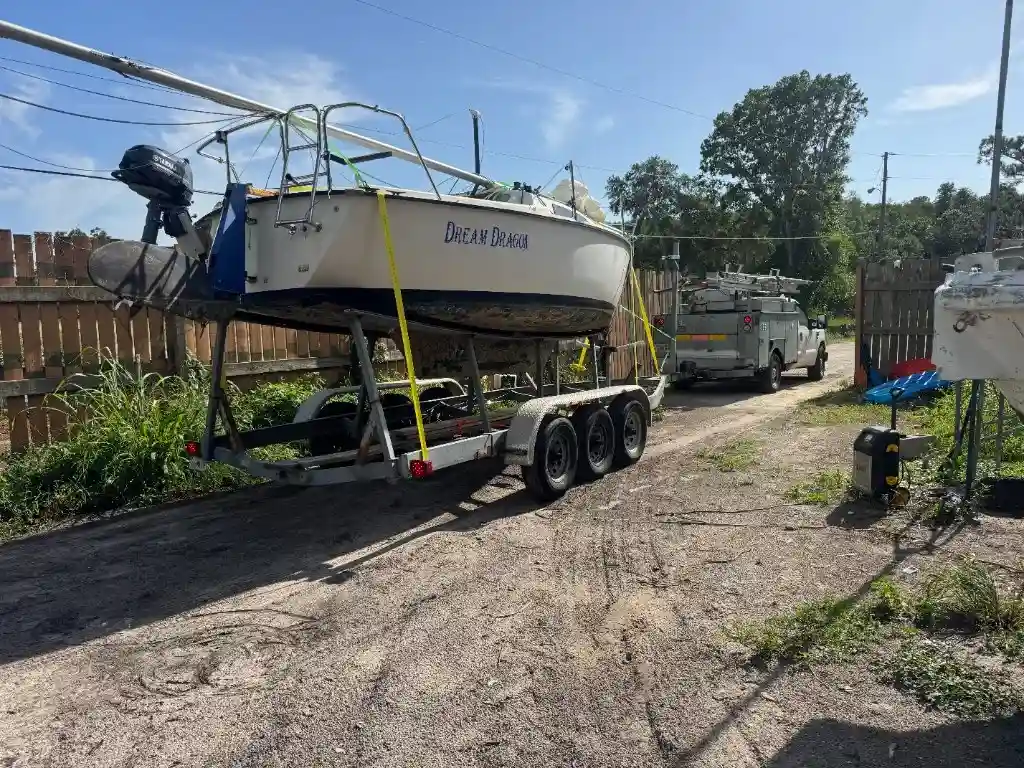
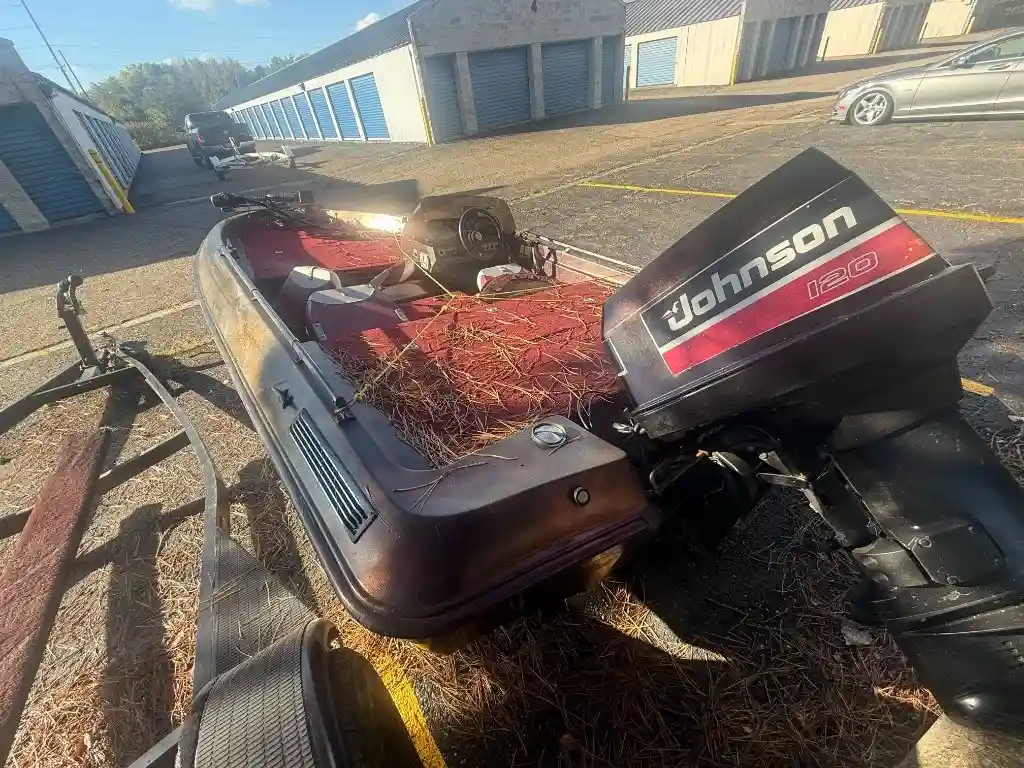
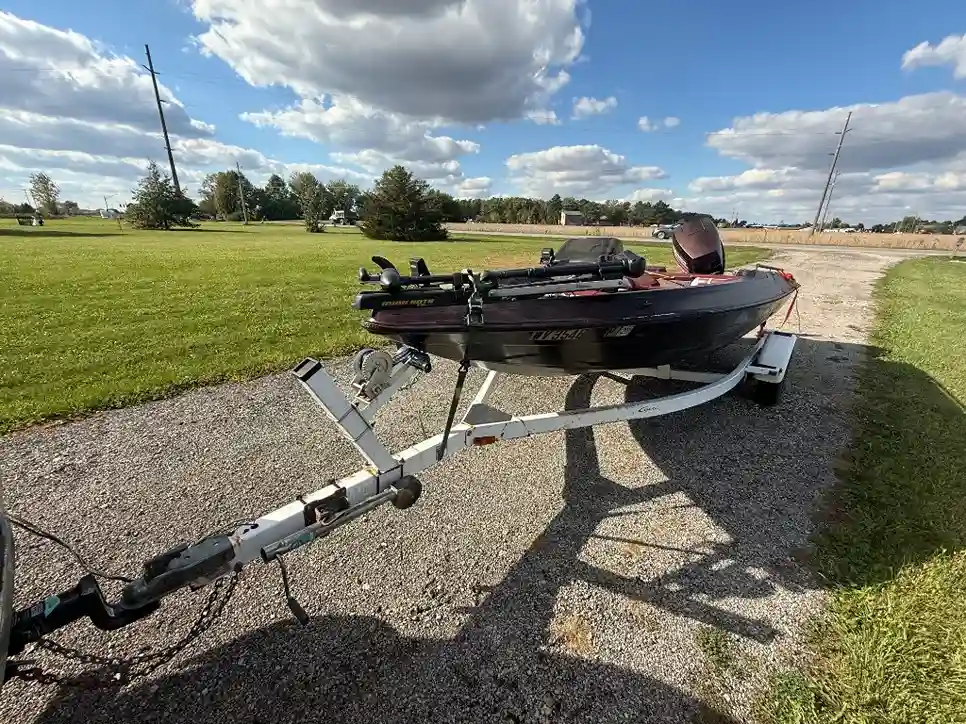
Disposal is not a single fixed step, and it is not automatically free. What it involves depends on the vessel, and the quote should say what is and is not included. Fiberglass boat disposal, for example, often means dealing with a bulky hull that may need to be cut down or handled in sections. A sailboat adds a mast, rigging, and sometimes a keel. A boat on a trailer raises a separate question: is the trailer going too, or does it stay?
These are the details that most affect scope:
- Vessel type and size: boat or PWC type, approximate length, width, and height, and whether it is fiberglass, aluminum, wood, or something else.
- Condition: whether it floats, rolls, or can be moved at all, plus any rot, broken hull sections, or stored water.
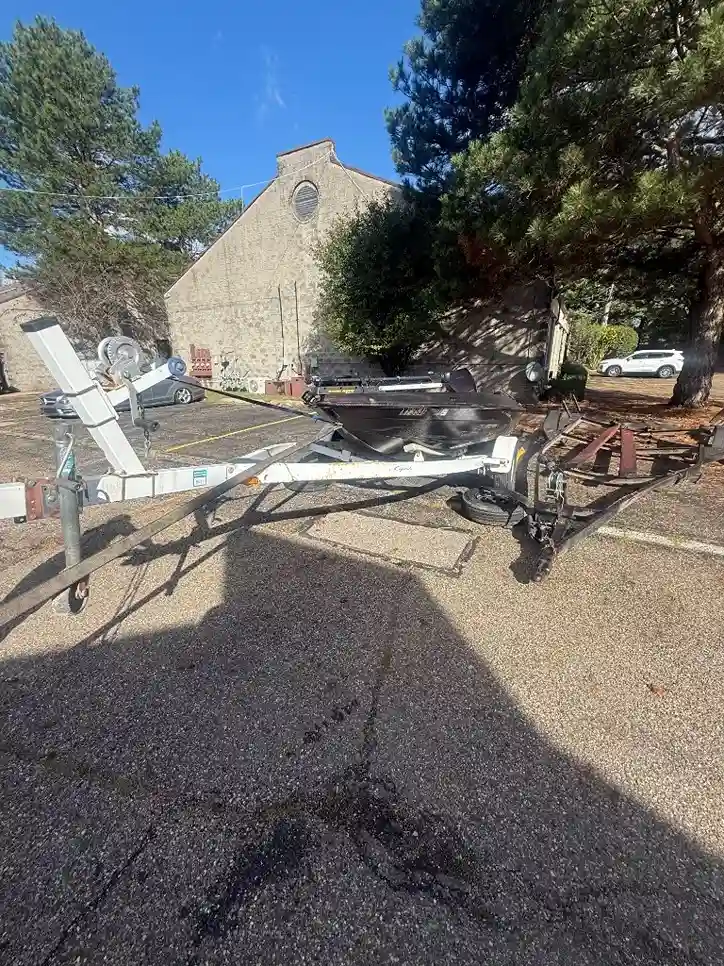
- Trailer status: whether a trailer exists, whether the tires hold air, whether it has a title or paperwork you can describe, and whether it should be removed too.
- Exact location: the street or property description, plus anything that limits the route, such as soft ground, a narrow gate, trees, or a fence.
- Authorization: who owns the boat or who has the authority to approve its removal.
- Site restrictions: gate hours, management rules, or areas that must stay untouched.
- Contents and fittings: personal items, fuel, batteries, or loose gear that should be sorted before work begins.
What affects the estimate
Anyone wondering about boat disposal cost should know that pricing is project-specific. Size, condition, location, access, equipment needs, trailer condition, recovery requirements, transport, and disposal scope all play a part. Two boats of the same length can lead to very different estimates if one sits beside a paved drive and the other is wedged behind a locked gate on soft ground. No price is published here because a number without the details would not be reliable.
Before scheduling, the access route and the work scope are defined together. Keeping the agreed route clear, and confirming what must stay on site and what should leave, helps prevent surprises on the day of the work.
For property managers and facility representatives
If a vessel is occupying managed property, include the site contact, any facility restrictions, written or documented authorization, and a complete list of the items to be removed. That list should cover the boat, any trailer, and anything stored with them. Clarifying who is responsible for disposal at the start makes the review faster and more accurate.
Request a boat removal quote
The quote request is free; the removal, recovery, transport, and disposal work is not automatically free. To get a useful estimate, gather the following before you reach out:
- The vessel or PWC type and approximate dimensions.
- Its current condition and whether it can be moved.
- Trailer status, including whether the trailer is part of the request.
- The exact location and how a vehicle would reach it.
- Proof or a clear description of your ownership or authorization to have it removed.
- Any site restrictions, gate details, or contact people.
- Safe photographs from several angles, taken without climbing on or entering an unstable vessel.
When you are ready, request a project-specific quote with those details. You can also call (904) 946-4709. Availability and final scope are confirmed for each project, so a complete description at the start saves time later.
To learn more about the service itself, see the Boat Removal & Disposal service hub or browse the Florida service areas. If your boat is closer to a neighboring community, you can also read about Boat Removal & Disposal in Fanning Springs or Boat Removal & Disposal in Trenton. Listing a nearby place on those pages does not mean service is promised there; each request is reviewed on its own.
Common Removal Situations
When deciding whether to repair, sell, or remove a vessel, owners usually ask three questions in order: Is it worth fixing? Can anyone buy it? How do I get it off the property? We handle the final answer when the first two are no.
- Boats no longer used or maintained.
- Old powerboats and sailboats damaged beyond economic repair.
- Abandoned or derelict vessels at marinas or stored on private land.
- Boats blocking water access or posing a safety issue.
- Vessels where the owner simply wants the title cleared and the boat gone.
- FAQ
Service Questions
Get answers to common questions about boat removal in Florida.

Ready to define your boat removal scope?
Send current vessel, ownership, location, and access details with safe photographs through the contact page for a project-specific estimate. The quote request is free, but the work is not automatically free.
On the scheduled day, the crew backs up the trailer, winches the vessel out, and leaves a clean, open space behind. To get started, send photos of the boat along with details about where it sits and any access obstacles. You will get an estimate before any work begins, and the crew handles the entire removal.