
boat removal and disposal in Laurel, FL

- The Florida Spirit
boat removal service in Laurel
A boat that no longer runs, floats, or has an owner willing to keep it tends to become a planning problem before it becomes a hauling problem. In Laurel, a census-designated place in Sarasota County, that problem often starts with a simple question: can the vessel be reached, and who has the authority to say it can leave? Florida Boat Services reviews boat-removal requests across Florida, and availability for a Laurel project is confirmed individually rather than assumed. There is no local office or crew base implied by this page.
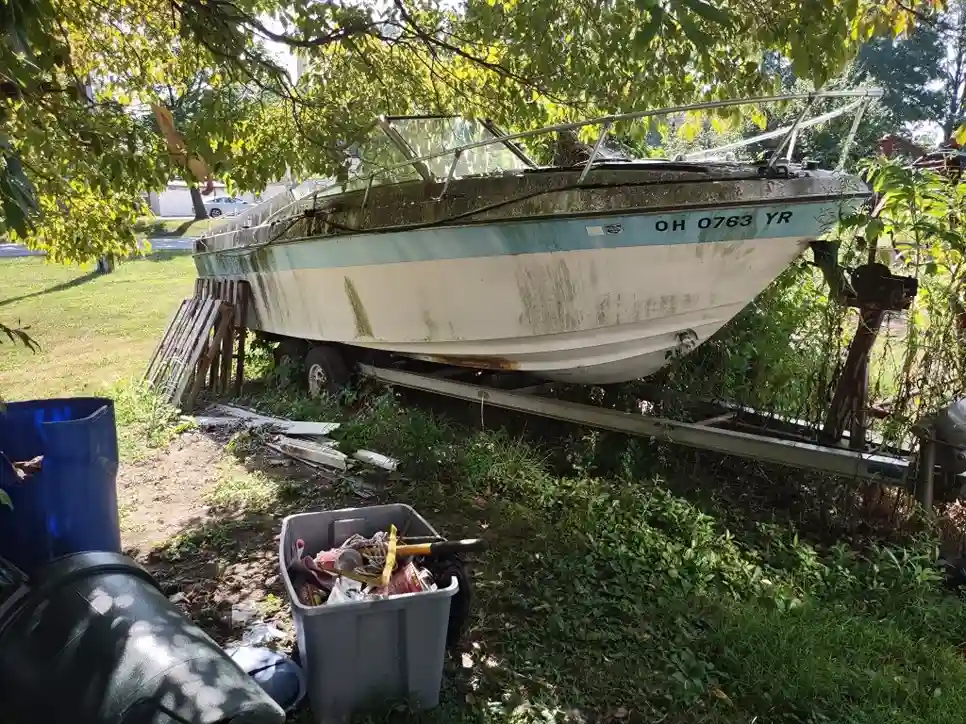
Boat removal here means a defined plan for an unwanted, damaged, non-running, or end-of-life boat. Depending on what the quote confirms, that plan may include loading, dismantling, hauling, trailer handling, and disposal. Not every job needs every step. A small fiberglass runabout sitting on a sound trailer is a different task from a sailboat with a rotted cradle or a hull that has been stored for years under a tree canopy.
Laurel sits near Dona Bay, with Blackburn Bay and nearby waters also part of the surrounding geography. That is useful mainly as a reminder to describe exactly where a vessel sits: on a driveway, in a storage lot, on a trailer, at a dock, or in the water. Those situations are handled differently, and the quote depends on which one applies.
Ordinary removal versus submerged recovery
Most removal requests involve a boat on land or at an accessible marina or dock. In those cases, the review focuses on the access route, the condition of the hull and trailer, and what has to be loaded or taken apart before transport.
A sunken or partly submerged vessel is a recovery project, not a standard pickup. It raises additional questions about where the vessel lies, how it can be reached safely, whether it can be brought up intact, and what condition it is in afterward. If your boat is underwater or awash, say so at the start and include safe photographs taken from shore or another secure position. Please do not enter the water or put yourself at risk to get a better picture.
This service does not cover rescue, emergency response, repair, vessel purchase, donation, or towing as a stand-alone service.
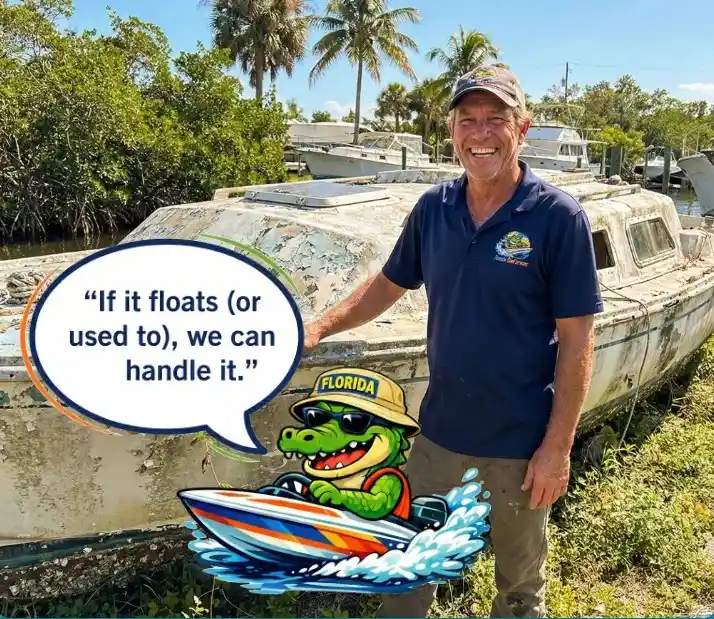
- All Vessel Types
boat disposal scope
Disposal is the part owners most often underestimate. Taking a boat away is one task; breaking it down and handling what remains is another. The scope should be spelled out before scheduling so nobody assumes work that was never quoted.
Conditions that change the plan
- Hull and materials: A fiberglass boat disposal job differs from a small aluminum skiff or a wooden hull. Size and construction affect how a vessel is cut down, loaded, and hauled.
- Vessel type: A sailboat disposal request involves a mast, rigging, and often a keel, which may need separate consideration from a simple powerboat or personal watercraft.
- Trailer status: A usable trailer can simplify movement. A flat, seized, or unregistered trailer may need its own handling, and you should note whether the trailer is leaving with the boat or staying.
- Contents: Fuel, batteries, loose gear, and personal items should be identified up front. Confirm what must stay and what must go before work begins.
- Condition: Stored, junked, non-running, damaged, and waterlogged vessels each present different loading and safety questions.
A preparation scenario worth planning for
Consider a boat parked behind a residence on a narrow lot, nose toward a fence, with a tree overhanging one side. The owner may think the job is simple because the boat is on land. The access route is the real question: gate width, turning room, soft ground, overhead limits, and whether neighbors or an HOA will be affected. Photos of the route, not just the hull, help a reviewer judge what the work might require. The same applies to a vessel on managed property, where the site contact and any facility restrictions shape how and when equipment can enter.
If you are searching for how to get rid of a boat or how to junk a boat, the practical answer starts with ownership paperwork, the vessel's location, and an honest description of its condition. The remaining steps follow from those details.
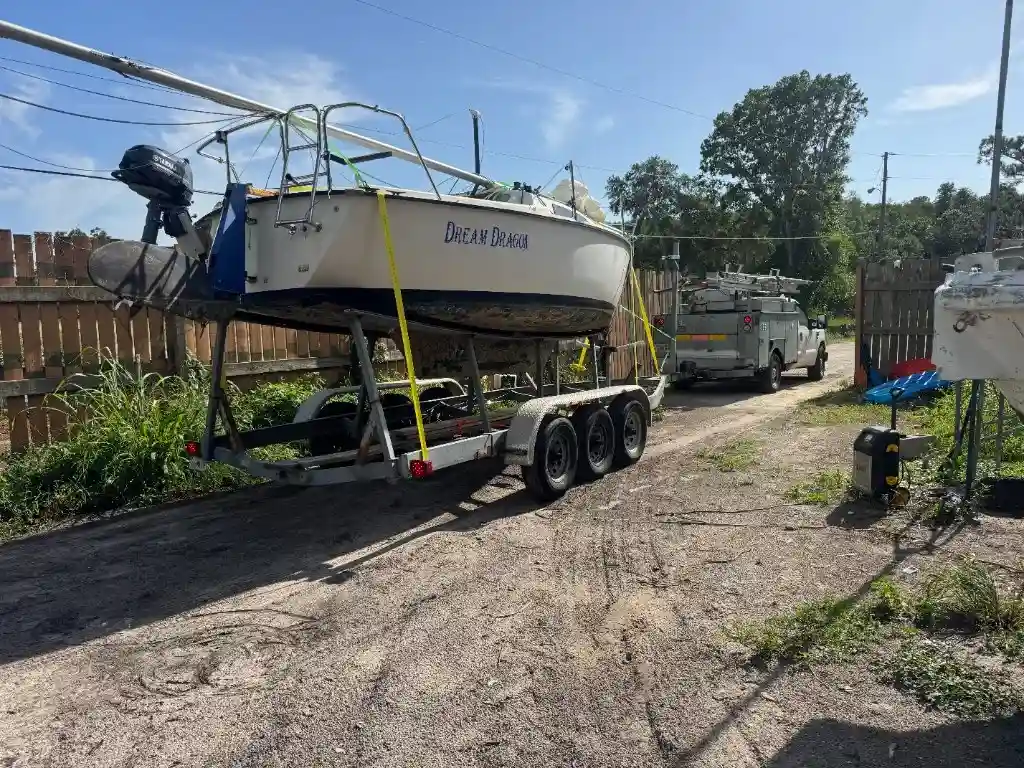
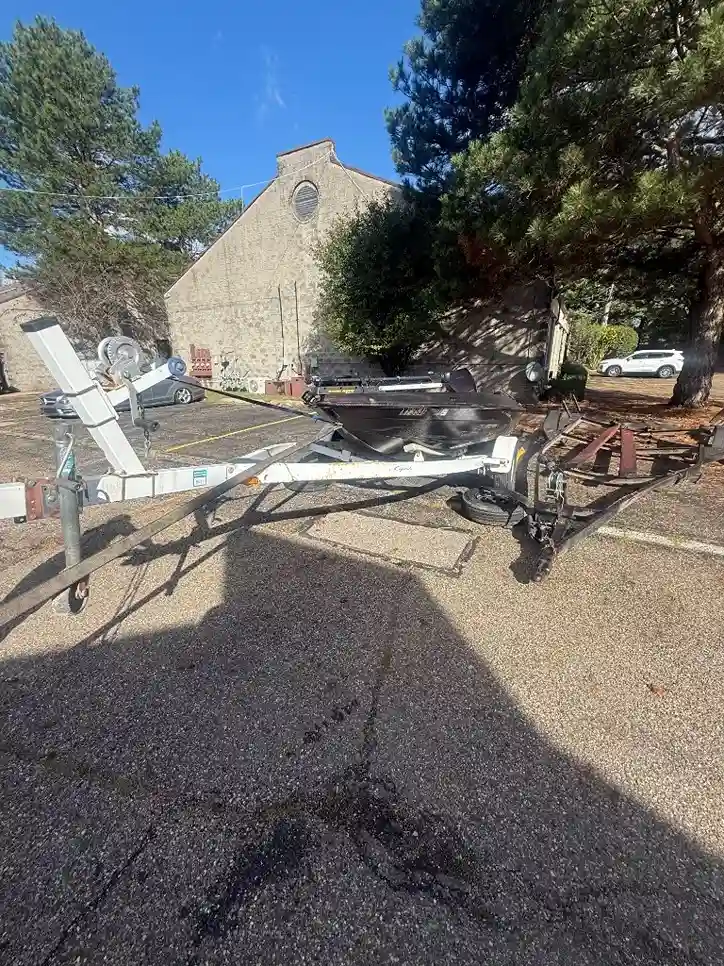
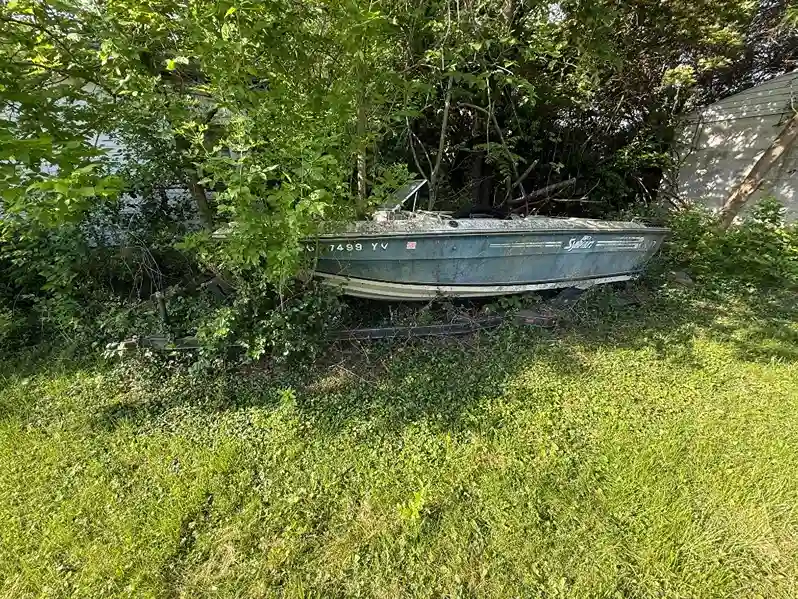
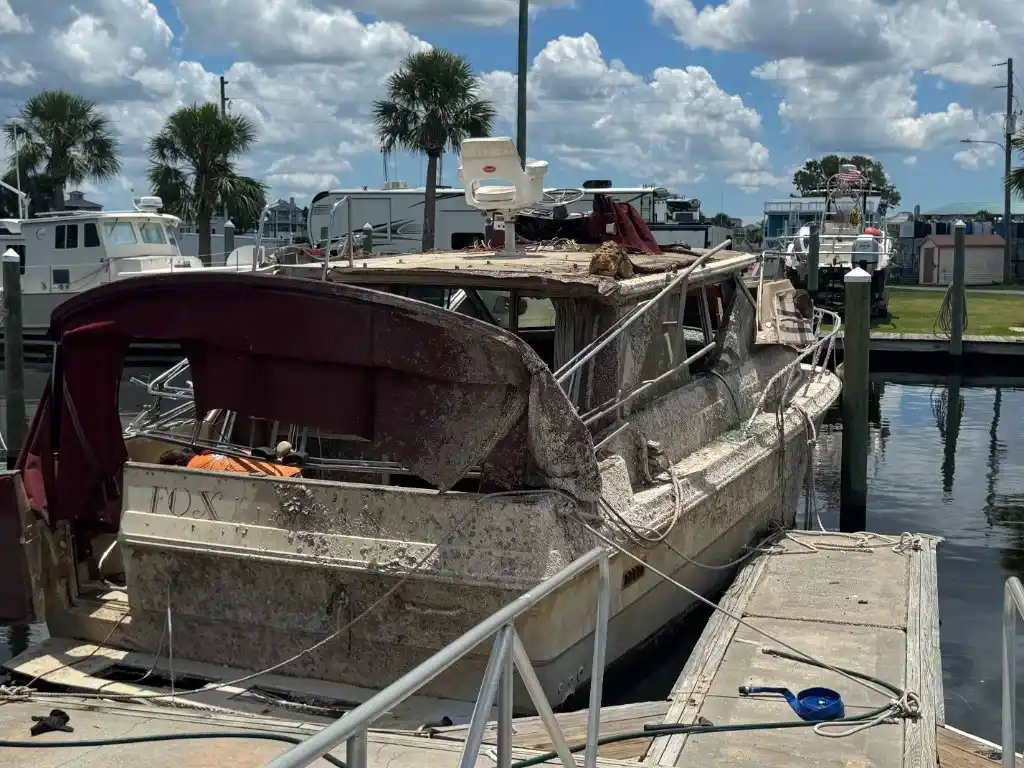
request a boat removal quote
The quote request is free. Removal, recovery, transport, and disposal are not automatically free, and no price is published here because each project is different. Anyone asking about boat disposal cost should expect an estimate built from the specifics below.
What to send
- Vessel or PWC type and approximate dimensions
- Current condition, including whether it floats, runs, or is damaged
- Trailer status and condition
- Exact location and the access route to reach it
- Proof of ownership or written authorization to remove it
- Site restrictions, gate codes, or facility rules
- Safe photographs of the vessel, trailer, and approach
What the estimate should spell out
A useful estimate states which of these are included: loading, recovery, dismantling, hauling, trailer handling, transport, and disposal. Pricing depends on size, condition, location, access, equipment needs, trailer condition, recovery requirements, transport, and disposal scope. Equipment, crew, timing, and disposal arrangements are determined only after your project is reviewed.
For property managers and facility representatives
If a vessel is occupying managed property, send the site contact, any facility restrictions, proof of authorization, and a complete list of items to be removed. Clarify who is responsible for disposal and what the agreed access route will be. Keep that route clear so the confirmed plan can be followed.
When you are ready, request a project-specific quote with your details and photographs. You can also review the Boat Removal & Disposal service overview, browse Florida service areas, or compare nearby pages for Boat Removal & Disposal in Nokomis and Boat Removal & Disposal in Venice. Availability is confirmed for each project.
Common Removal Situations
Owners of aging vessels eventually face a choice: repair, sell, or remove. The decision comes down to three questions: Is it worth fixing? Can it be sold? How do I clear it out?
Haul-out applies to these typical situations:
- Unused boats sitting in yards or slips.
- Old powerboats or sailboats damaged beyond repair.
- Abandoned or derelict vessels at marinas or on private property.
- Boats blocking access or creating hazards on the water.
- Owners who simply want the vessel gone.
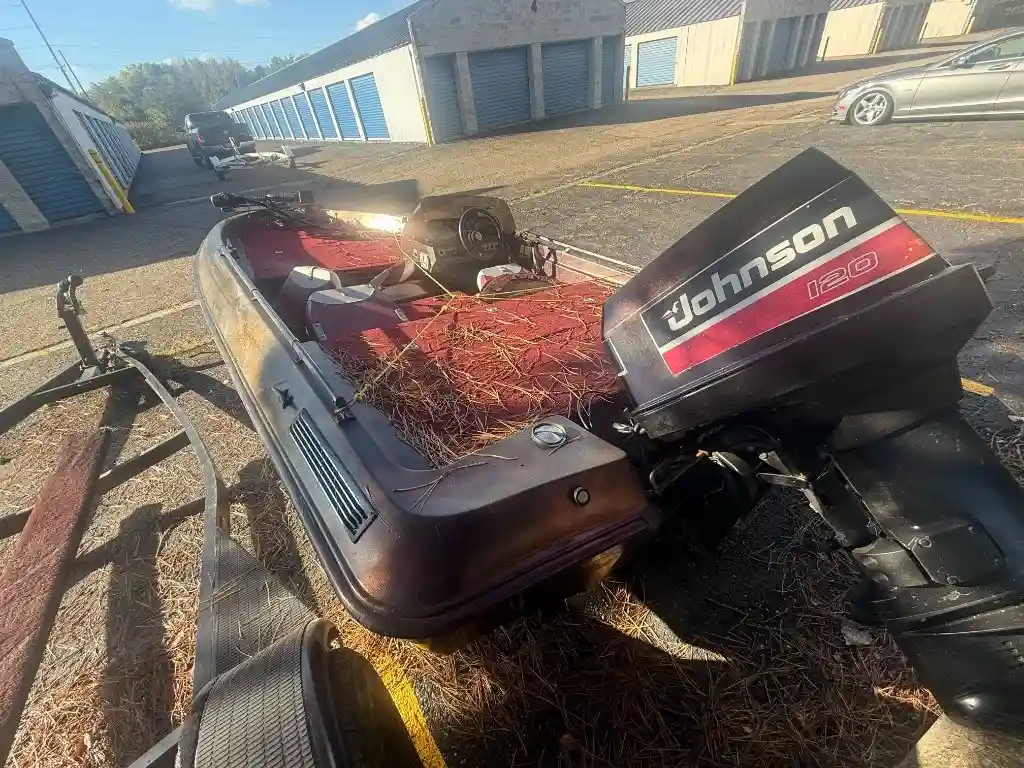
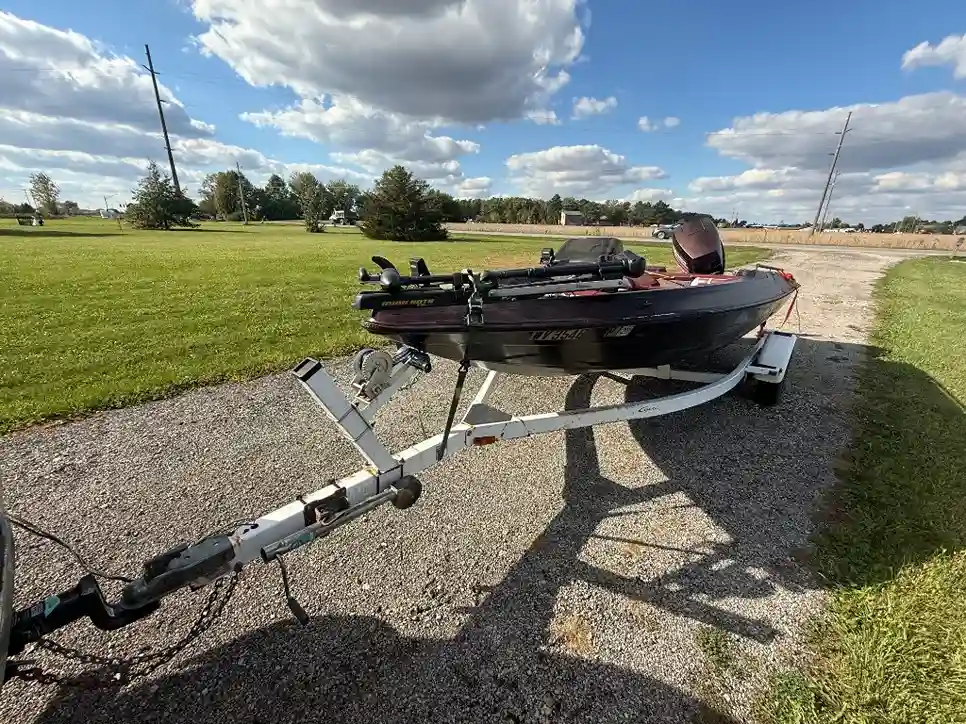
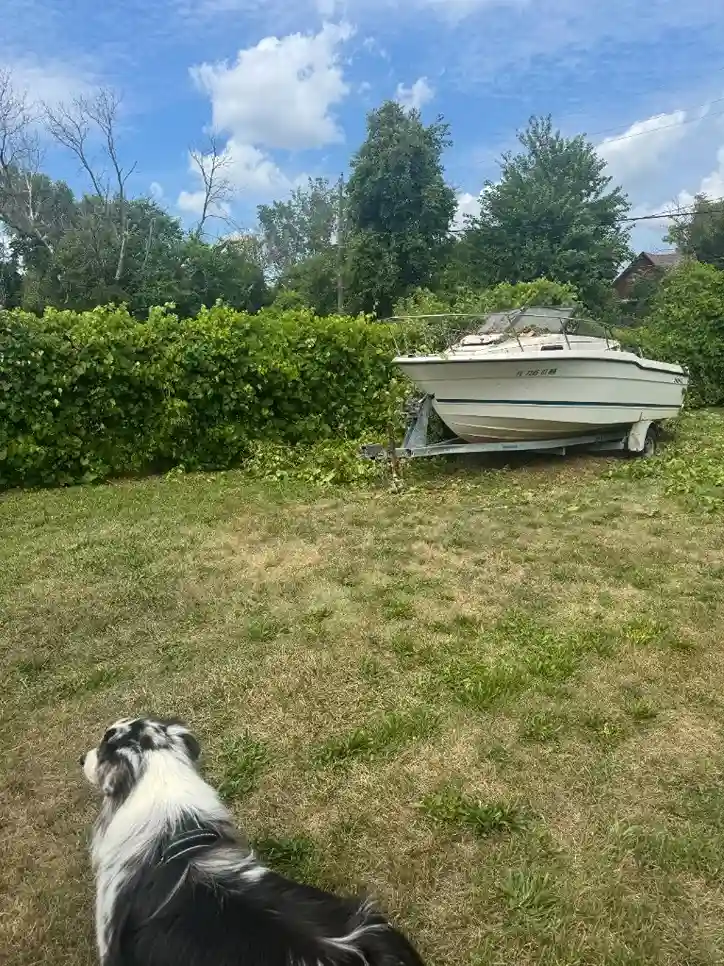
- FAQ
Service Questions
Get answers to common questions about boat removal in Florida.

Send vessel and access details for a Laurel boat removal estimate
The quote request is free, but removal and disposal are not automatically free. Share the vessel type, condition, location, authorization, and safe photographs, or call (904) 946-4709 to discuss your project.
Deciding whether to repair, sell, or remove a boat comes down to practicality. We do not buy, restore, or broker vessels; we only handle complete removal and disposal. Describe the boat, state where it sits, and send a few photos. You will receive an estimate before work starts, and the crew handles the rest.