
Boat removal and disposal in Lake Clarke Shores, FL

- The Florida Spirit
Boat removal service in Lake Clarke Shores
A boat that no longer runs, no longer floats well, or simply no longer has a purpose can be difficult to deal with in a town like Lake Clarke Shores. Residential lots, shared driveways, and tight turns can make a hull on a trailer harder to move than it looks. Florida Boat Services reviews boat removal requests across Florida, including requests for this Palm Beach County town. Availability and final scope are confirmed for each project, and this page does not imply a local office or guaranteed availability here.
Boat removal here means a defined plan for taking an unwanted, damaged, non-running, or end-of-life vessel off your hands. Depending on what the quote confirms, that plan may include loading, dismantling, hauling, trailer handling, and disposal. It is not a purchase offer, a repair, a rental, or a stand-alone towing service.
A realistic preparation scenario
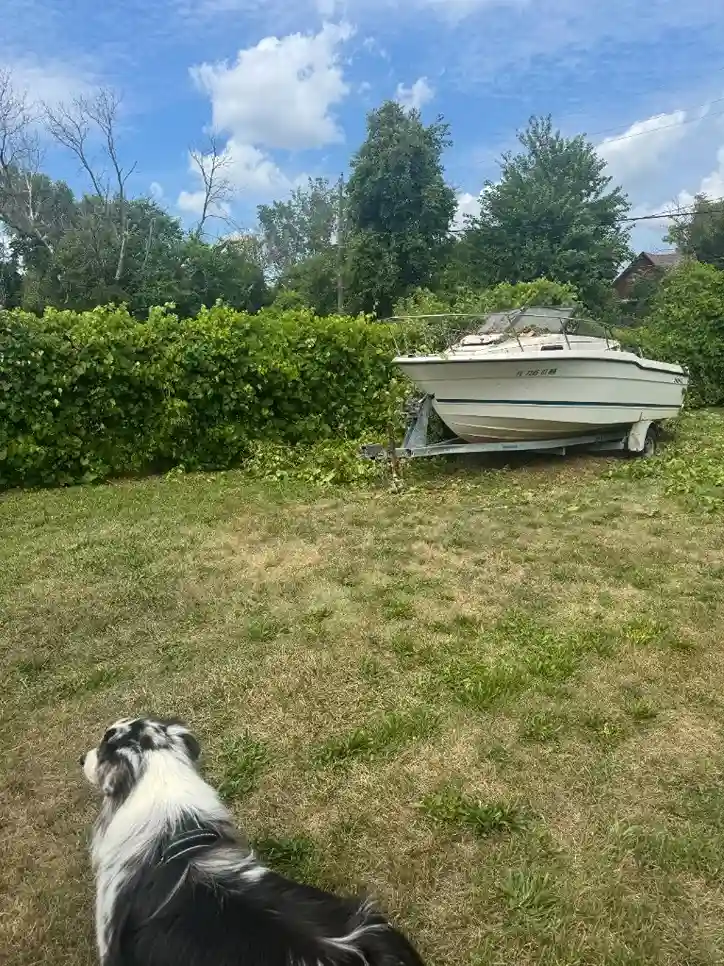
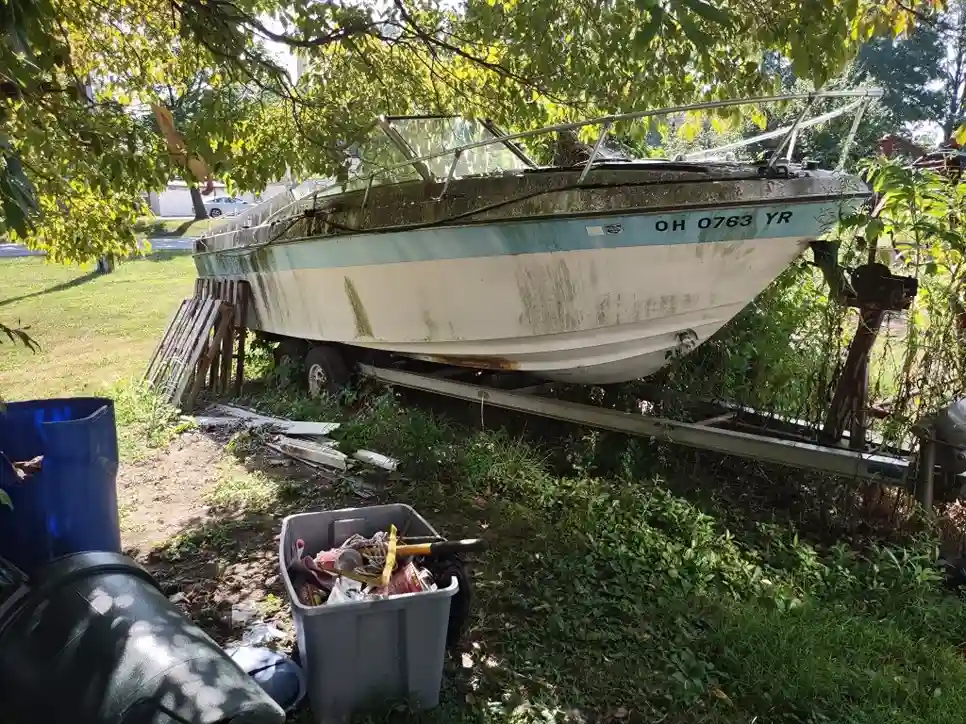
Consider a fiberglass boat that has sat on a trailer beside a house for several years. The tires are soft, the registration paperwork is somewhere in a drawer, and the owner is not sure whether the trailer is part of the problem or part of the solution. Before anyone can define the work, the quote needs to answer a few plain questions. Can the trailer roll, or does it need to be lifted? Is the route from the vessel to the street clear of vehicles, gates, and low branches? Does anything inside the boat need to be removed first?
Lake Clarke Shores sits near Lake Clarke, and Lake Osborne and the Atlantic ICW are also part of the broader Palm Beach County waterway picture. Mentioning a waterbody does not mean it is served, used, or accessible for a particular project.
Ordinary removal versus submerged-vessel recovery
Removing a boat from a driveway, side yard, storage lot, or accessible marina area is a different job from recovering a vessel that is sunken, partly submerged, or sitting in shallow water. Recovery adds questions about position, water depth, hazards, fuel or fluids, and how the vessel can be brought to a point where removal can begin. If your boat is in the water, say so clearly in your request and include safe photographs taken from shore or another secure location. Please do not enter the water or put yourself at risk to take a picture.
This service does not cover human rescue or emergency response. If anyone is in danger, contact emergency services first.
- All Vessel Types
Boat disposal scope
Disposal is where many requests become unclear. People searching for how to get rid of a boat or how to junk a boat often assume it is one step. In practice, it can be several, and the quote should say which ones are included. Any statement about where a vessel goes after removal, or what happens to its materials, is confirmed at the project level and is not assumed in advance.
Details that shape the scope
- Vessel type and size: powerboat, sailboat, pontoon, jon boat, or personal watercraft, with approximate length, width, and height.
- Condition: intact, damaged, rotted, stripped, waterlogged, or partly submerged.
- Trailer status: whether a trailer is present, whether it rolls, and whether it is included in the removal. For the Lake Clarke Shores request, also say whether the starting point is near Lake Clarke on Lake Clarke or on an inland property; the inventory reference does not confirm a loading point for the project.
- Exact location: a driveway, storage yard, marina slip or dry stack, or waterfront edge.
- Access route: gate width, turning space, overhead obstacles, soft ground, and where equipment could safely stage.
- Authorization: who owns the vessel and who has the right to approve removal.
For property managers and facility representatives
If a vessel is occupying managed property, the plan should start with the site contact, any facility rules, and written authorization to proceed. Marinas, storage operators, and waterfront property managers should provide the complete item list, including trailers, loose equipment, and anything that must stay on site. Clarify who is responsible for disposal and what the access route will look like on the day of work. Keep that route clear and confirm in advance what must remain and what must leave.
Searches for nearby launch facilities sometimes surface public ramp or dock listings in town. Those listings are state inventory information only. They do not indicate that a facility is open, suitable, permitted, or affiliated with this service, and they would not be assumed for any job.
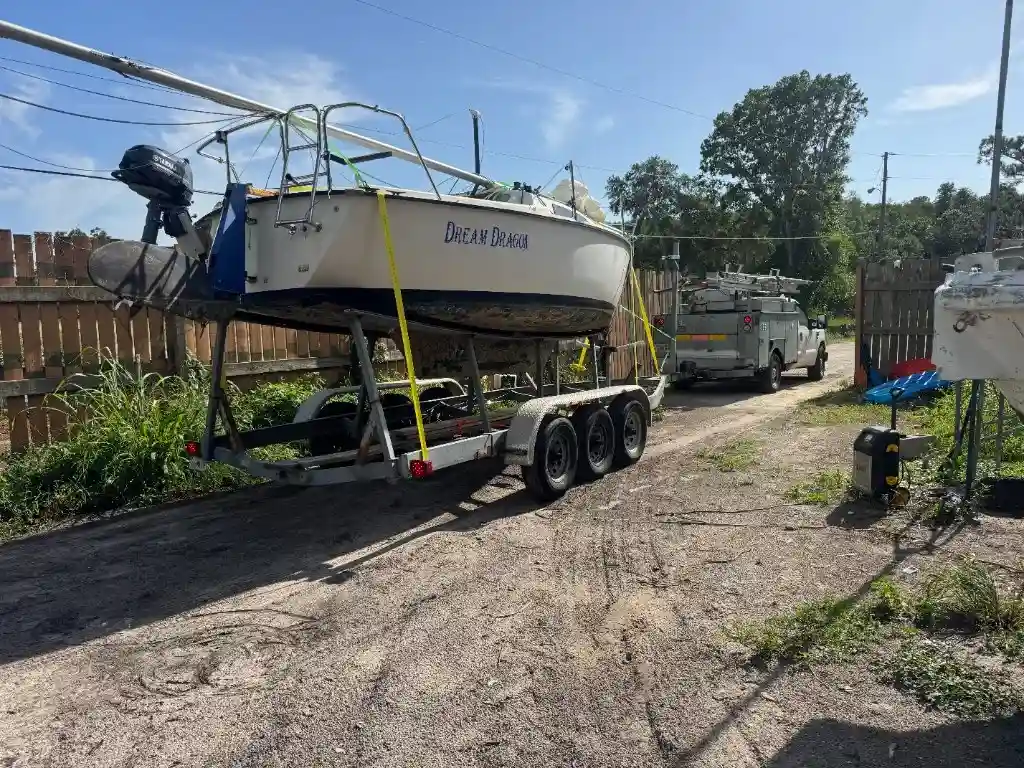
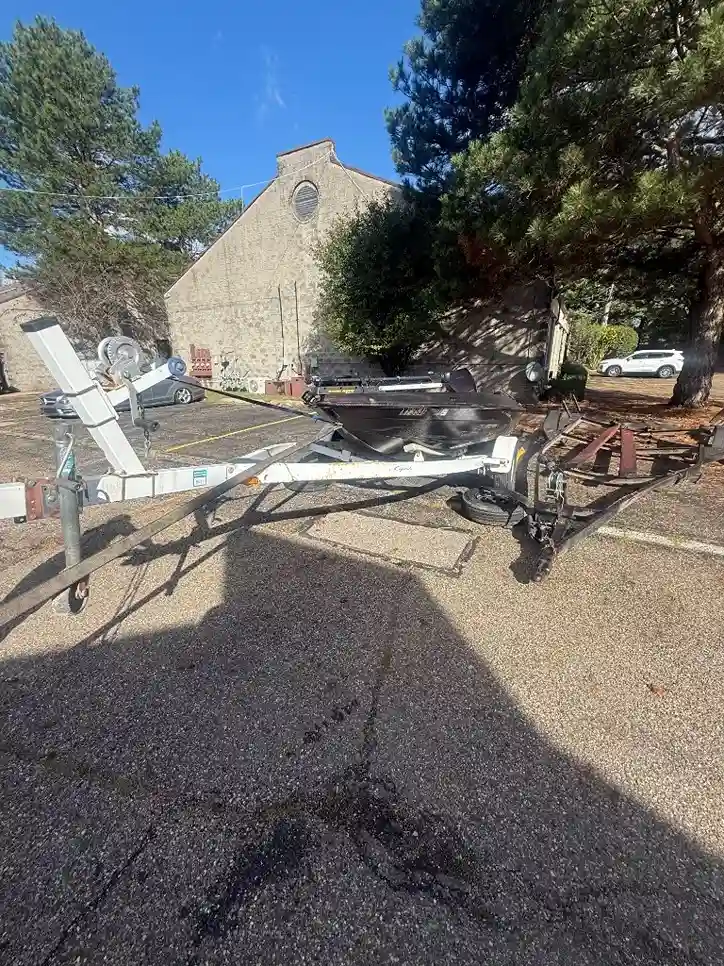
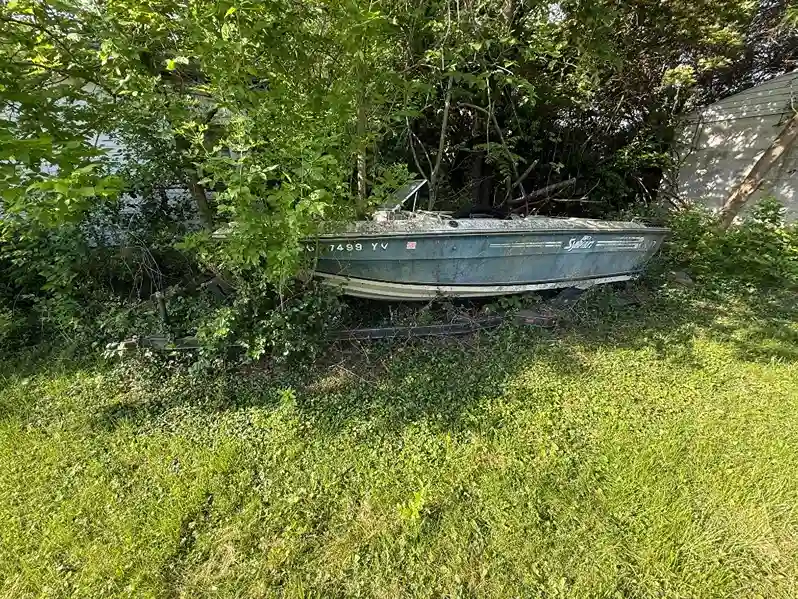
Request a boat removal quote
The quote request is free. Removal, recovery, transport, and disposal are not automatically free, and pricing is project-specific. If you are wondering about boat disposal cost, these are the factors that move it:
- size, weight, and overall condition of the vessel
- exact location and how difficult access is
- equipment needs for loading or recovery
- trailer condition and whether the trailer is included
- transport distance and any dismantling required
- disposal scope for the hull, engine, and onboard materials
A useful estimate should state which of these services are included: loading, recovery, dismantling, hauling, trailer handling, transport, and disposal. It should also note any assumptions about access and anything the owner or site contact needs to prepare.
What to send
- The vessel or PWC type, approximate dimensions, and condition.
- Trailer status and whether the trailer should leave too.
- The exact location and any site restrictions.
- Proof of ownership or authorization to remove the vessel.
- Safe photographs showing the whole vessel, the trailer, and the access route.
When you are ready, you can request a project-specific quote with those details. If you are comparing options in the area, you may also review the page for Boat Removal & Disposal in Palm Springs or Boat Removal & Disposal in Pine Air. For a wider view of the state, see the Florida service areas or return to the Boat Removal & Disposal service hub.
Common Removal Situations
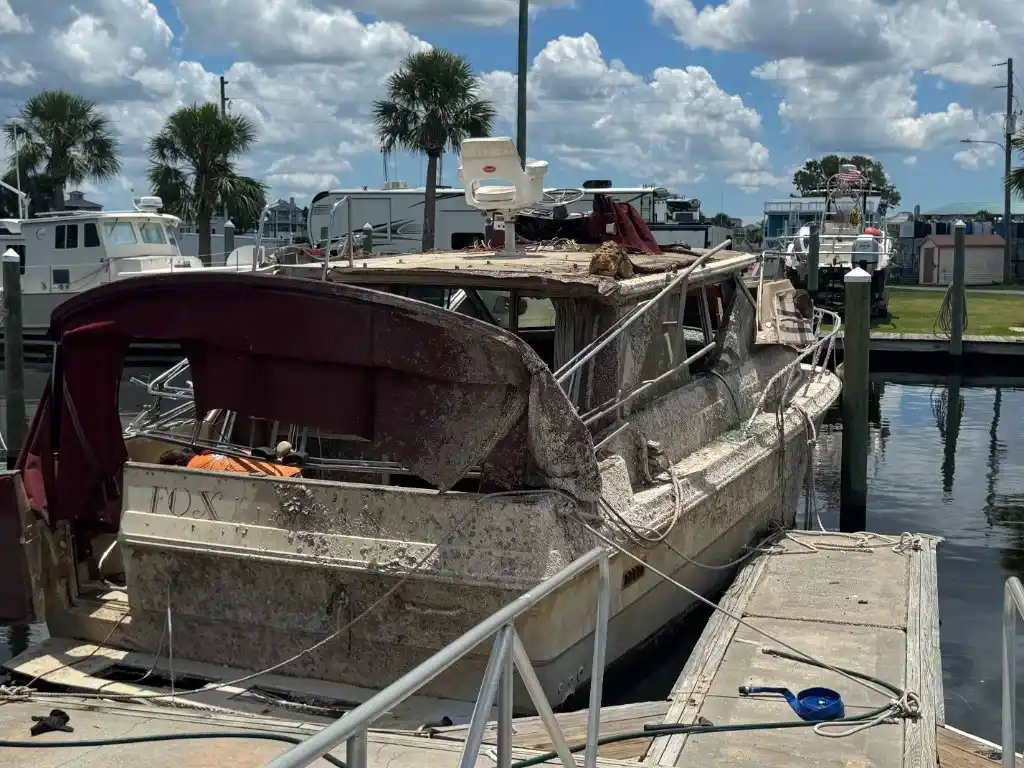
Hauling a heavy hull requires heavy winches and trailers that most owners do not possess. Trying to dismantle or move a vessel yourself often leads to damaged property, whereas a crew brings the rigging gear needed to lift and haul it away.
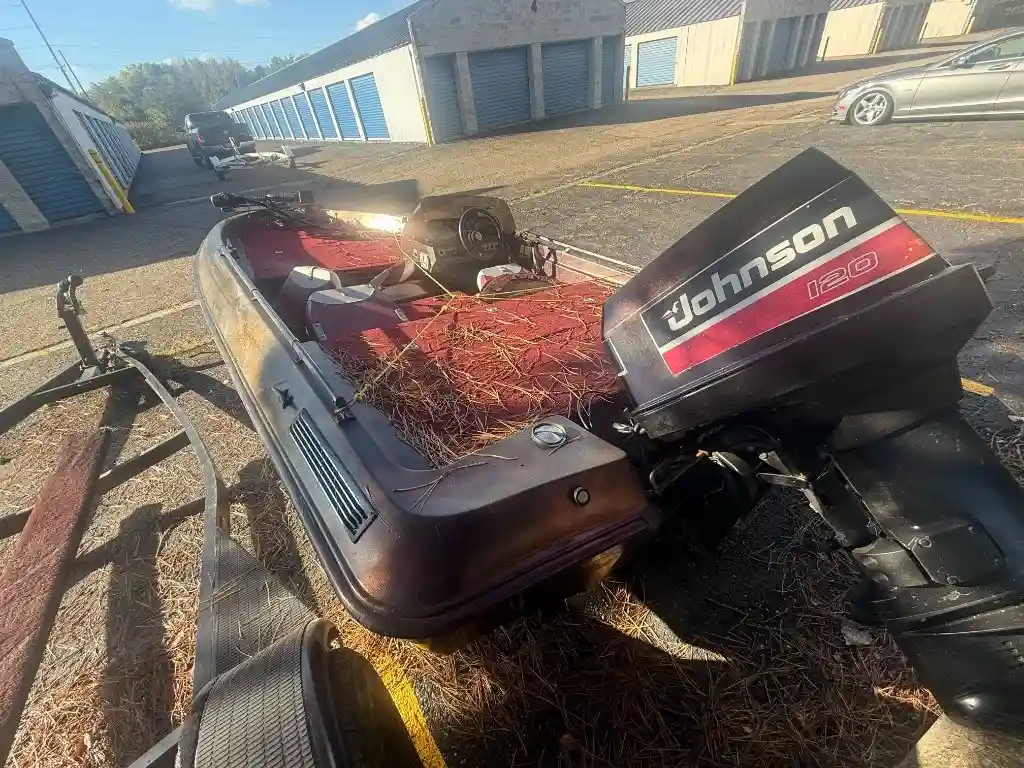
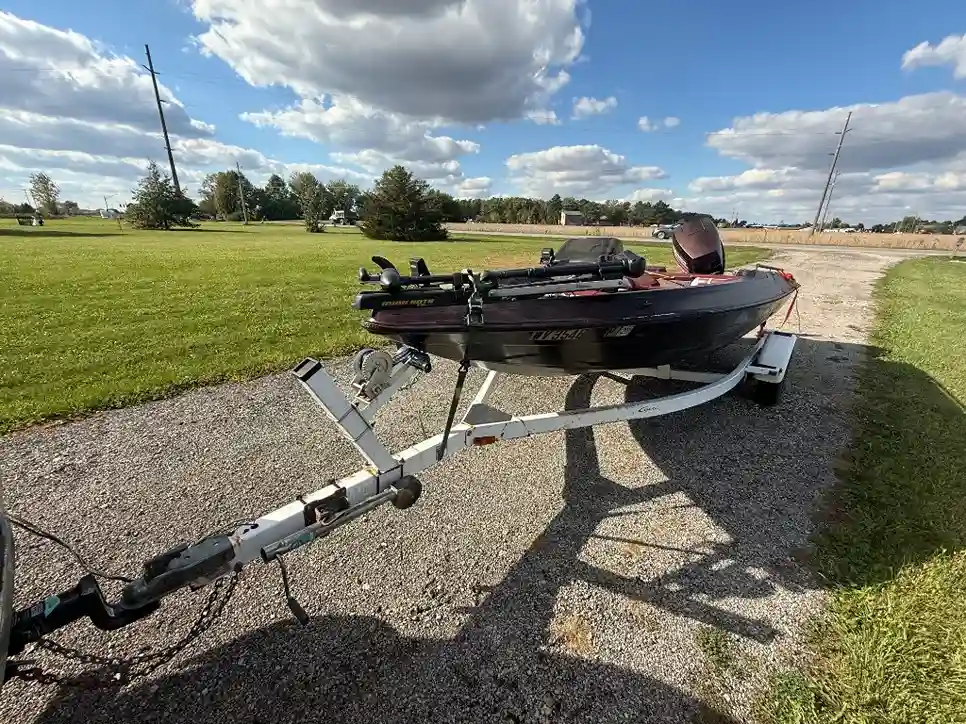
- Boats sitting unused for years
- Sailboats or motorboats damaged beyond repair
- Abandoned or derelict vessels left at marinas or on private property
- Hulls blocking access or creating hazards on the water
- Owners who simply want a vessel gone
- FAQ
Service Questions
Get answers to common questions about boat removal in Florida.

Request a project-specific removal quote
Send current vessel, ownership, location, and access details with safe photographs for a project-specific estimate. The quote request is free, but the work is not automatically free. You can also call (904) 946-4709.
On removal day, the crew hauls the vessel off the property and clears the space entirely. To set up the job, describe the boat and where it rests, whether on a trailer, in the woods, or at a slip. Send over a few photos to receive an estimate before work begins, then let the crew handle the rest.