
boat removal and disposal in Green Cove Springs, FL

- The Florida Spirit
boat removal service in Green Cove Springs
If you own a boat you no longer want, or you manage property where one has been left, the first question is usually practical: what has to happen for it to leave safely? Florida Boat Services reviews boat-removal requests for Green Cove Springs and the rest of Clay County. We do not operate an office in the city, and availability is confirmed project by project rather than assumed.
Boat removal here means a defined plan for an unwanted, damaged, non-running, or end-of-life vessel. Depending on what the quote confirms, that plan may include loading, dismantling, hauling, trailer handling, and disposal. Not every job needs every step, which is why the details you send matter more than the boat's age or name.
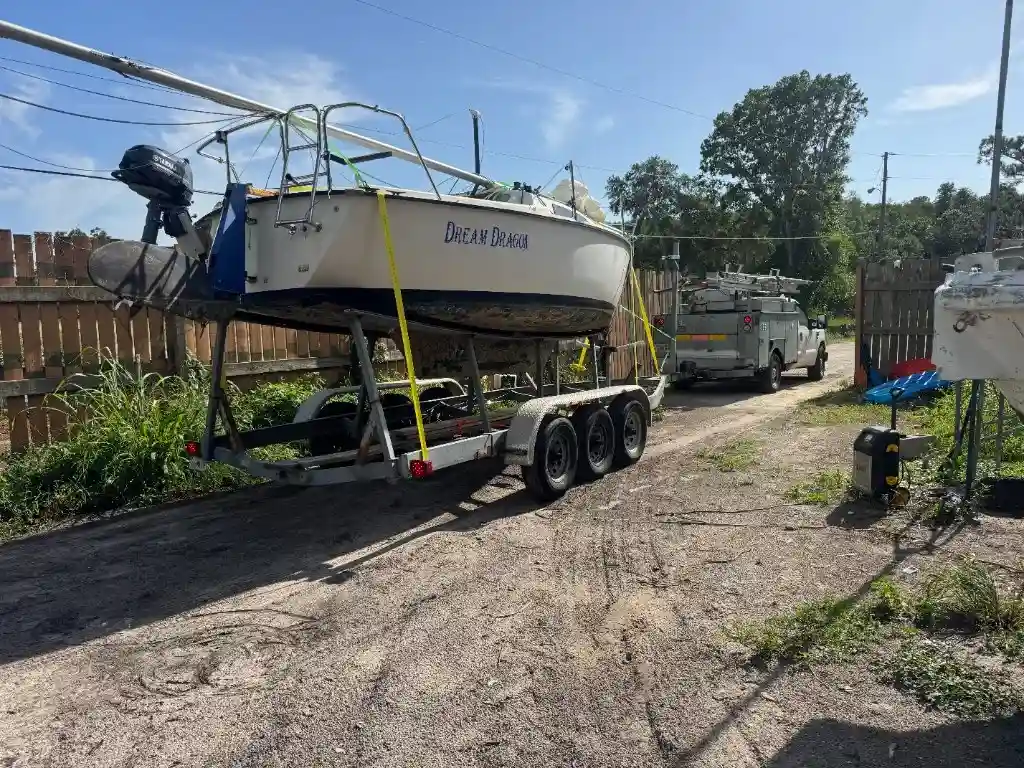
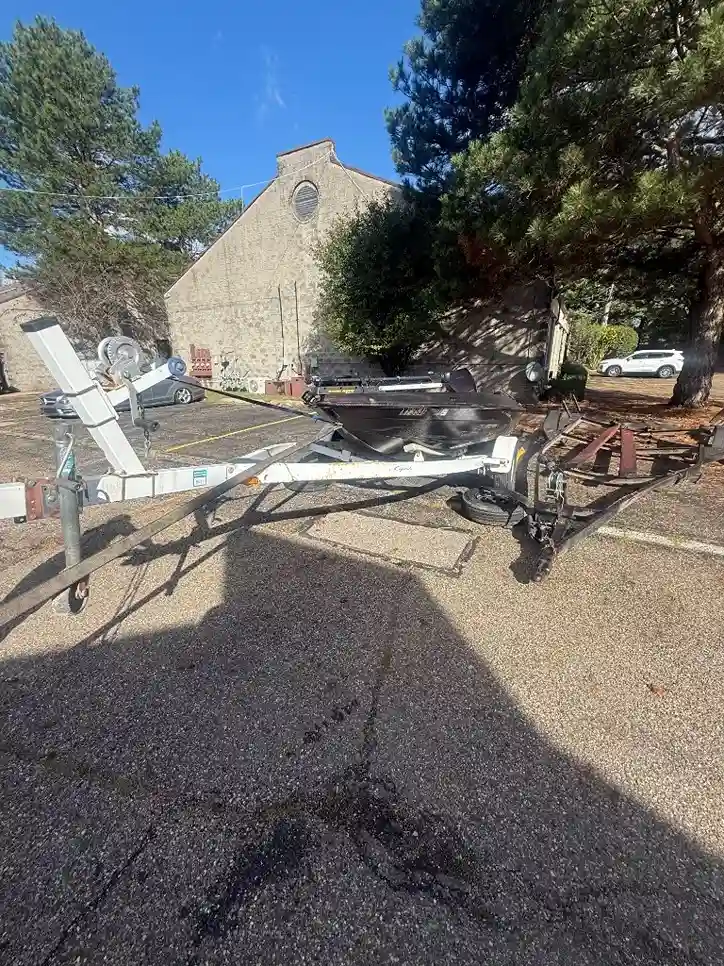
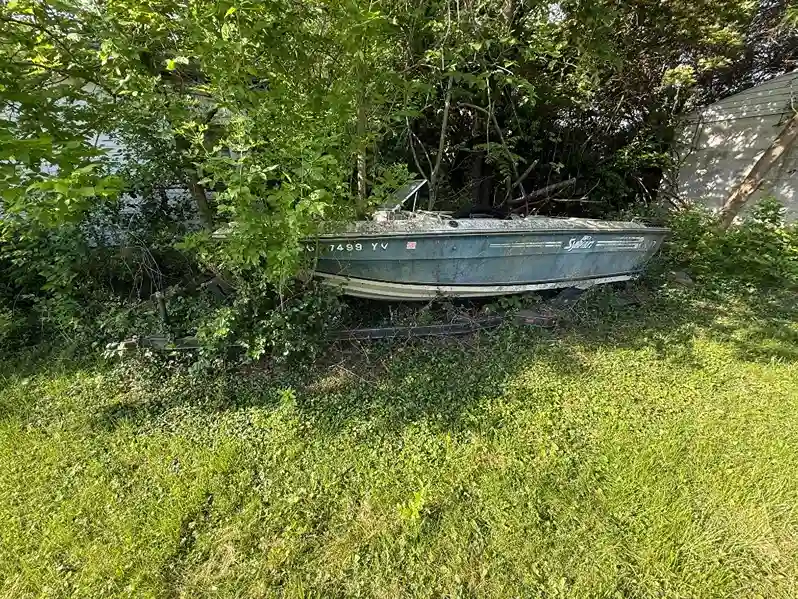
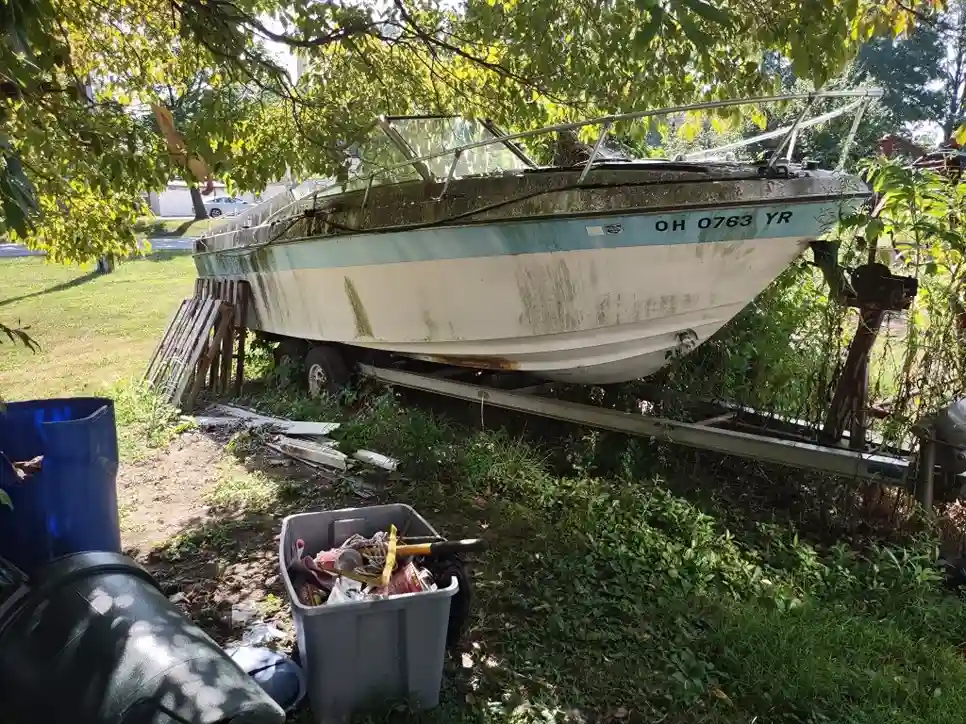
Consider a common preparation scenario. A fiberglass runabout has been sitting on a dead trailer behind a house or in a storage lot, with soft tires, a rotted deck, and an owner who cannot move it. The questions that shape the job are plain ones. Can the trailer roll or be lifted? Is there a gate, a soft lawn, or a narrow side yard in the way? Does the boat need to be taken apart before it can be hauled? Those answers separate a simple pickup from a job that needs more planning.
Boats and conditions we review
- Non-running or abandoned powerboats, sailboats, and personal watercraft
- Damaged hulls, including fiberglass boats with structural deterioration
- Vessels on trailers, on stands, or in storage with limited access
- Boats at marinas or waterfront properties where site rules apply
Land removal versus submerged recovery
Removing a boat from dry land or an accessible marina position is a different kind of work from recovering a vessel that is partly or fully underwater. A submerged vessel raises questions about its position, depth, hazards, and how it can be brought up, and the plan can change the scope considerably. Say clearly in your request whether the boat is on land, afloat, or sunk. We will not assume one from the other.
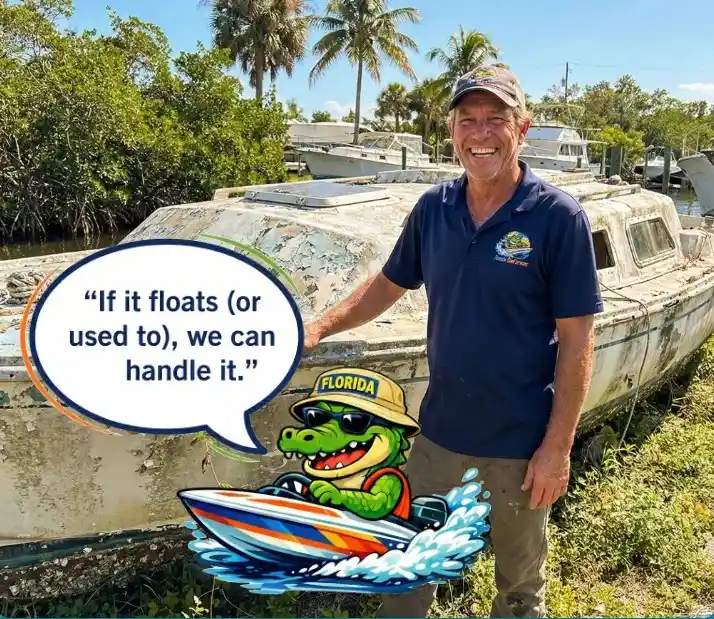
- All Vessel Types
boat disposal scope
Disposal is not a single step, and it is often what people mean when they search for how to get rid of a boat. For a fiberglass boat, sailboat, or older powerboat, the scope depends on size, condition, what is attached, and how the vessel has to be handled before it can be transported. The quote should state which of these are included so nothing is left to guesswork on the day.
The details that most often affect scope and cost are:
- Size and construction: length, beam, hull material, and whether a mast, rigging, or a heavy engine is still in place.
- Condition: whether the boat is intact, partly broken apart, waterlogged, or unsafe to move as it sits.
- Trailer status: whether a trailer exists, who owns it, and whether it can be towed or must be handled separately.
- Location and access route: distance from a road, gate widths, soft ground, overhead lines, tight turns, or dock limitations.
- Recovery needs: any extra steps if the vessel is aground, sunk, or otherwise not sitting on stable ground.
- Transport and disposal: how far the material has to travel and what disposal work the project requires.
Pricing is project-specific because these factors vary so much from one boat to the next. If you are comparing disposal costs, treat any figure that ignores access and condition with caution. A free quote request is not the same as free removal; the work itself is priced once the scope is clear.
Property managers and facility representatives
If a vessel is occupying managed property, include the site contact, any gate or hours restrictions, and written authorization to remove it. Keep the agreed access route clear, and confirm in advance what must stay on site and what is leaving. A complete item list, covering the boat, trailer, loose equipment, and debris, helps prevent surprises during loading.
For a sense of geography, Green Cove Springs sits along Governor's Creek and the St. Johns River. Nearby waterways are only a reference point for describing a location. Whether a particular site, ramp, or waterway is workable for a project is something we confirm individually, and we do not assume access to any public facility.
request a boat removal quote
A useful request is specific and honest about the boat's condition. Before you reach out, gather the following:
- The vessel or PWC type and approximate dimensions
- Its condition, including whether it runs, floats, or has visible damage
- Trailer status and whether the trailer is part of the removal
- The exact location in or near Green Cove Springs and how vehicles can reach it
- Proof of ownership or written authorization to remove it
- Any site restrictions, such as gate codes, marina rules, or storage-facility policies
- Safe photographs from several angles, taken without climbing onto unstable decks or entering the water
With that information, we review access, define which of loading, recovery, dismantling, hauling, trailer handling, transport, and disposal apply, and then confirm availability before anything is scheduled. The estimate should spell out those inclusions so you can see exactly what you are agreeing to.
You can request a project-specific quote through the contact page, or call (904) 946-4709. To see how the service works across the state, visit the Boat Removal & Disposal service hub or browse the Florida service areas. If your boat is closer to the Clay County neighbors, you may also want the pages for Boat Removal & Disposal in Fleming Island and Boat Removal & Disposal in Fruit Cove, though availability is confirmed for each project.
Common Removal Situations
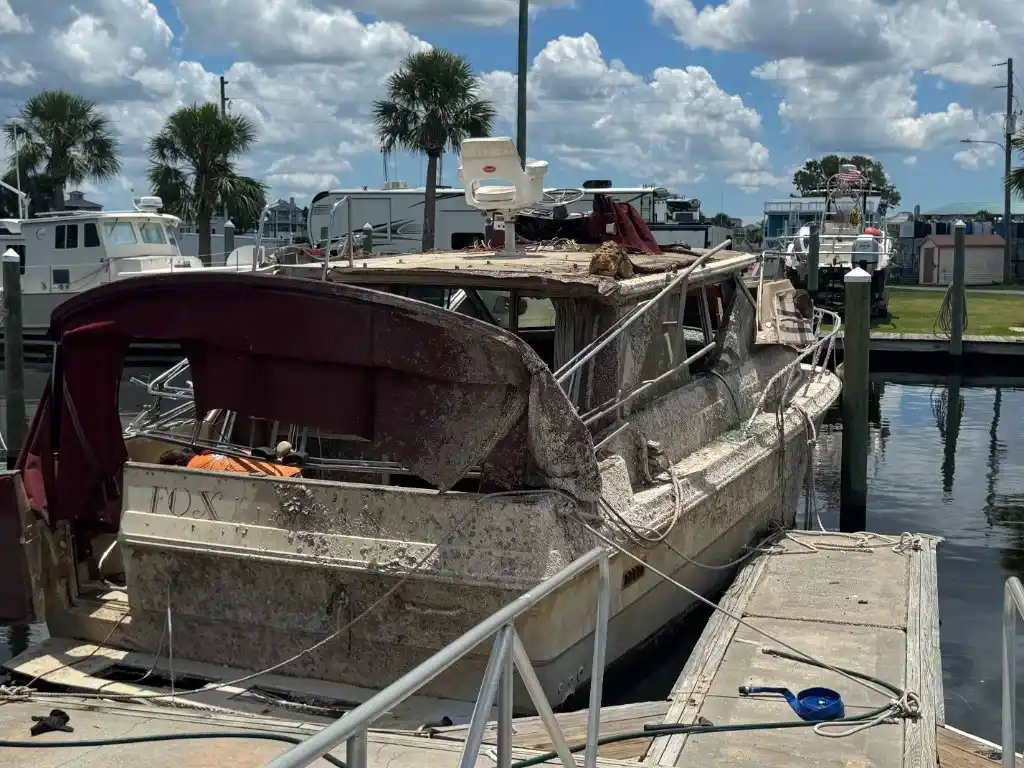
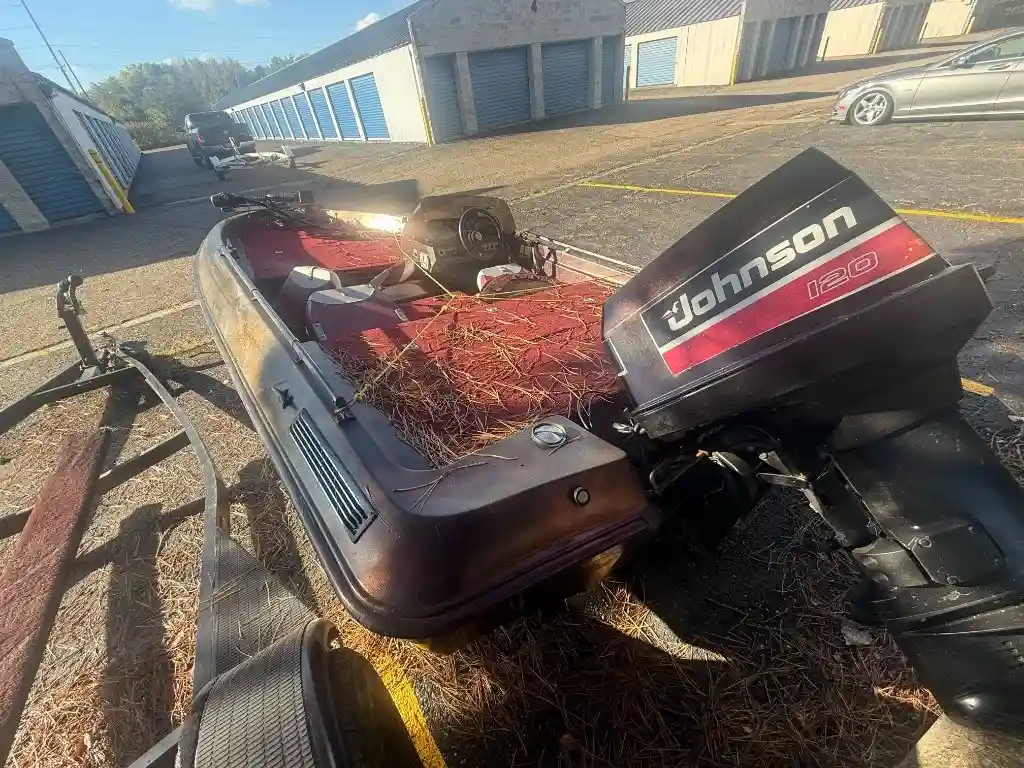
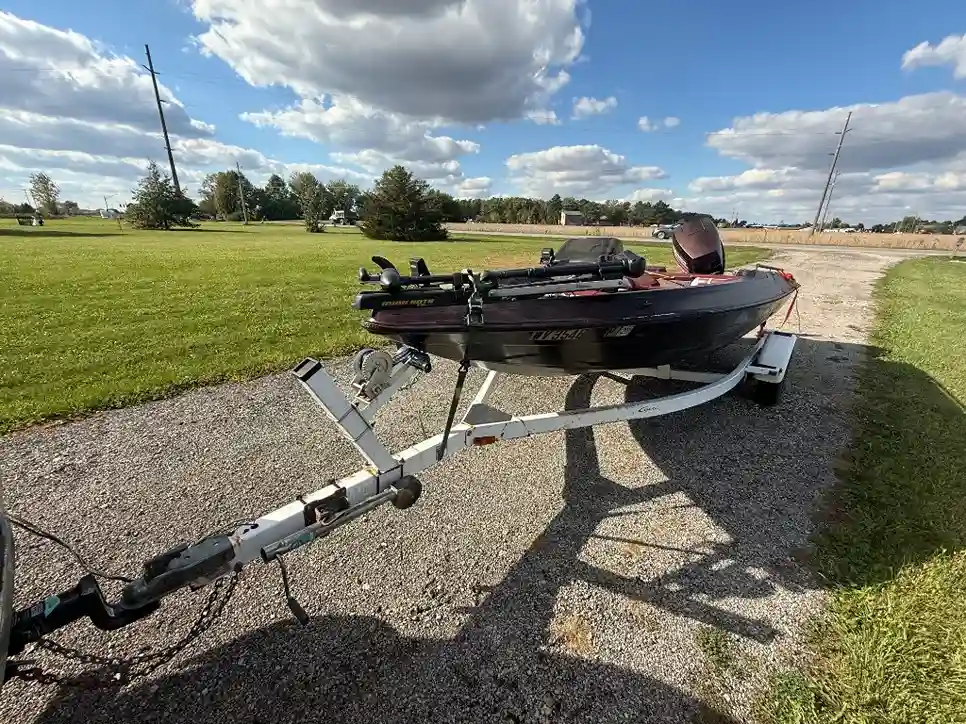
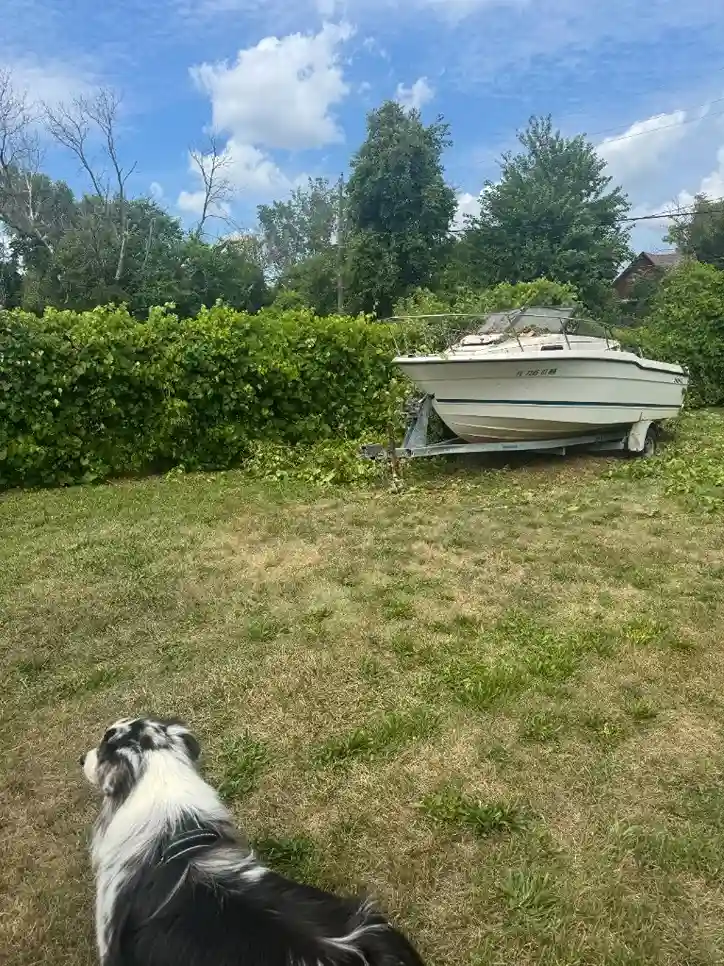
Title liabilities, slip fees, and municipal violation notices often mount long before a hull physically falls apart. Crews handle vessels at every stage of decline or displacement:
- Abandoned or derelict hulls facing impound at marinas or left on private lots.
- Sunken or shifted vessels blocking water access and endangering nearby docks.
- Old motorboats and sailboats rotted beyond any possibility of repair.
- Neglected vessels taking up storage space on broken trailers.
- Clear hulls where the owner simply wants the craft gone.
- FAQ
Service Questions
Get answers to common questions about boat removal in Florida.

Request a project-specific removal quote
Send current vessel and access details for a project-specific estimate. The quote request is free, but removal, transport, and disposal work is not automatically free. Call (904) 946-4709 or use the contact page.
Crushed fiberglass and hazardous hulls go to specialized waste processors, while standard boats head directly to municipal transfer stations for disposal. Describe your vessel and where it sits, then send a few photos. You will get an estimate before any work begins, and the crew takes over from there.