
Boat removal and disposal in Eagle Lake, FL

- The Florida Spirit
Boat removal service in Eagle Lake
If you are trying to work out how to get rid of a boat in Eagle Lake, the first step is to define the job clearly. Florida Boat Services reviews boat-removal and marine-removal requests throughout Florida. For this service, that means unwanted, damaged, non-running, or end-of-life boats that need a defined plan for loading, hauling, and disposal.
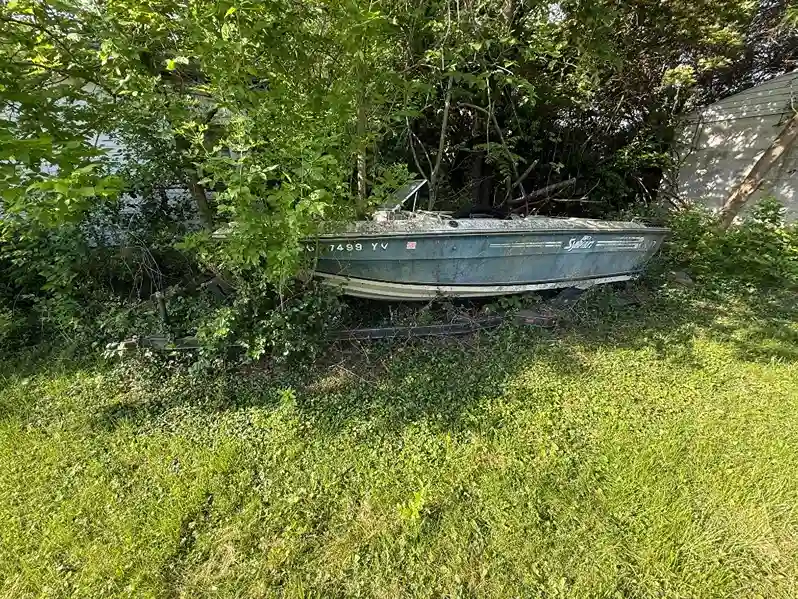
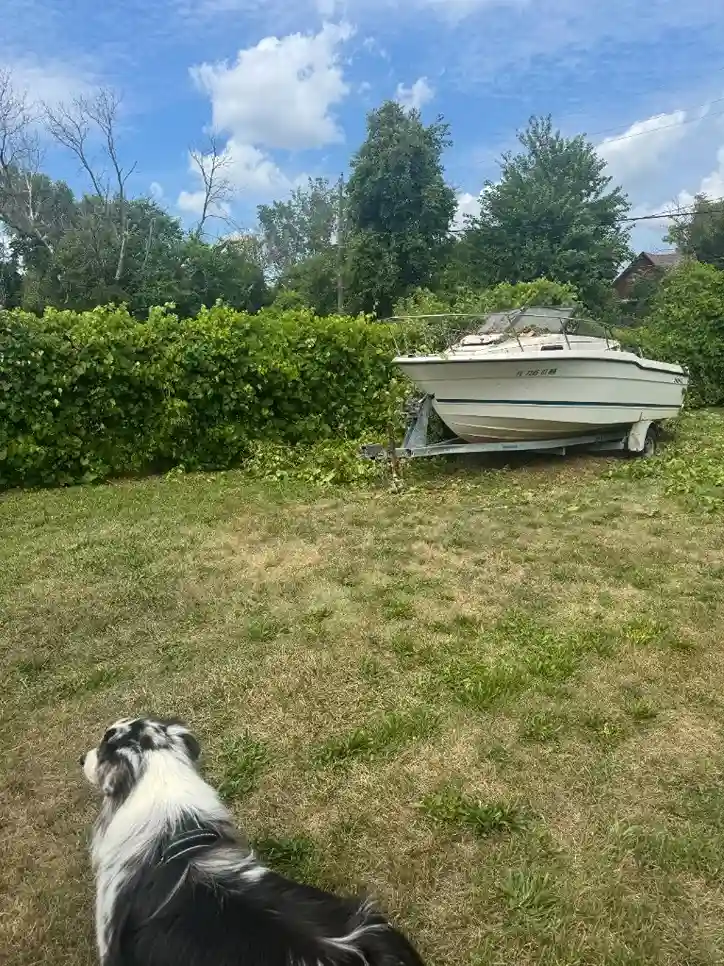
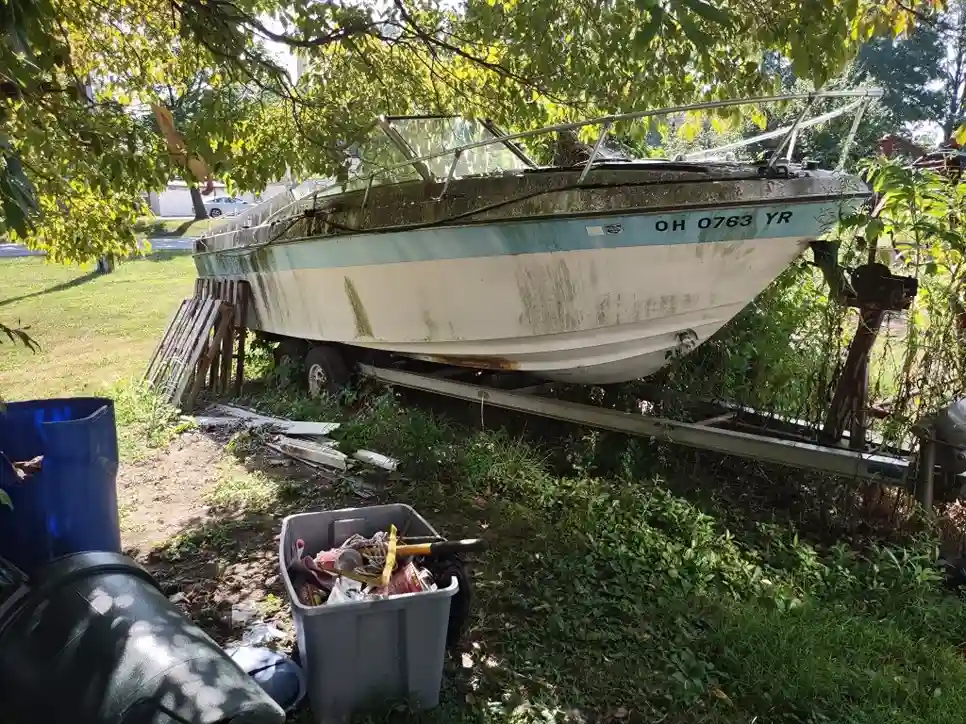
A typical request is junk boat removal from private or managed property. Picture a fiberglass runabout that has sat on a worn trailer behind a house for years. The hull may have soft spots, the tires may be flat, and the driveway may be narrow or have a gate. Each of those details changes what the removal scope should say, so describing them up front keeps the estimate realistic.
The service is built for two kinds of requesters:
- Owners who want to remove a boat they no longer use, or one that is no longer safe or practical to keep.
- Authorized property or facility representatives, such as property managers, storage operators, and waterfront property contacts, who need a vessel removed from managed property and must coordinate site rules and access.
Eagle Lake is close to other lakes in the state's public boat ramp inventory, including Lake McLeod. That is general context only. A nearby lake does not mean a ramp is open, suitable, or part of any job. If a boat is on or near the water, we review the actual access route before anything is scheduled.
Ordinary removal versus submerged recovery
These are different projects and are scoped differently. Ordinary removal covers a boat on land, on a trailer, or in a spot that can be reached from a driveway, yard, storage lot, or accessible marina area. A partly sunk, fully submerged, or grounded vessel is a recovery problem. It may involve different equipment, more planning, and more questions about authorization and site conditions. If your boat is in the water, say so plainly in your request and include safe photographs taken from the shore or dock.
- All Vessel Types
Boat disposal scope
Searching for boat disposal services usually leads to the same question: what is actually included? We do not assume the answer. The scope is defined in the quote, and it may include loading, dismantling, hauling, trailer handling, transport, and disposal, but only the items confirmed for your project.
Boat conditions we review
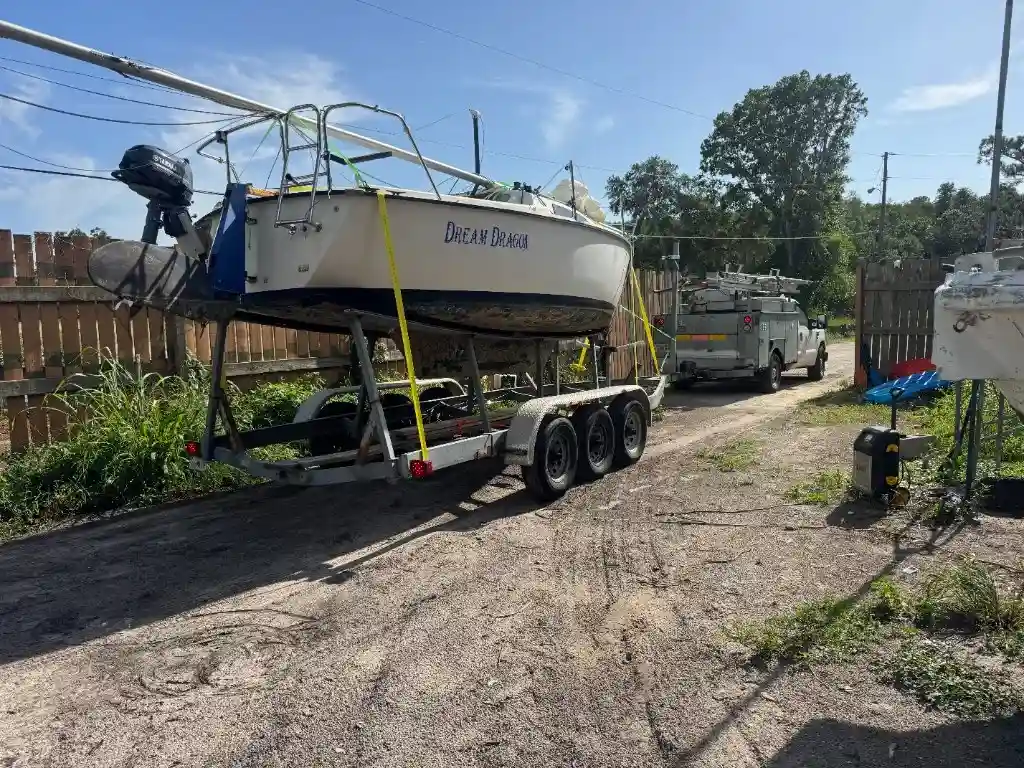
- Vessel type and size. A small fiberglass boat, a pontoon, a personal watercraft, and a sailboat with a mast and keel are different jobs. Sailboat disposal in particular can involve rigging, ballast, and awkward dimensions. Give us approximate length, beam, and height.
- Hull material and condition. Fiberglass boat disposal often differs from handling aluminum or wood. Rot, cracks, collapsed decking, or a hull that cannot be moved in one piece all matter.
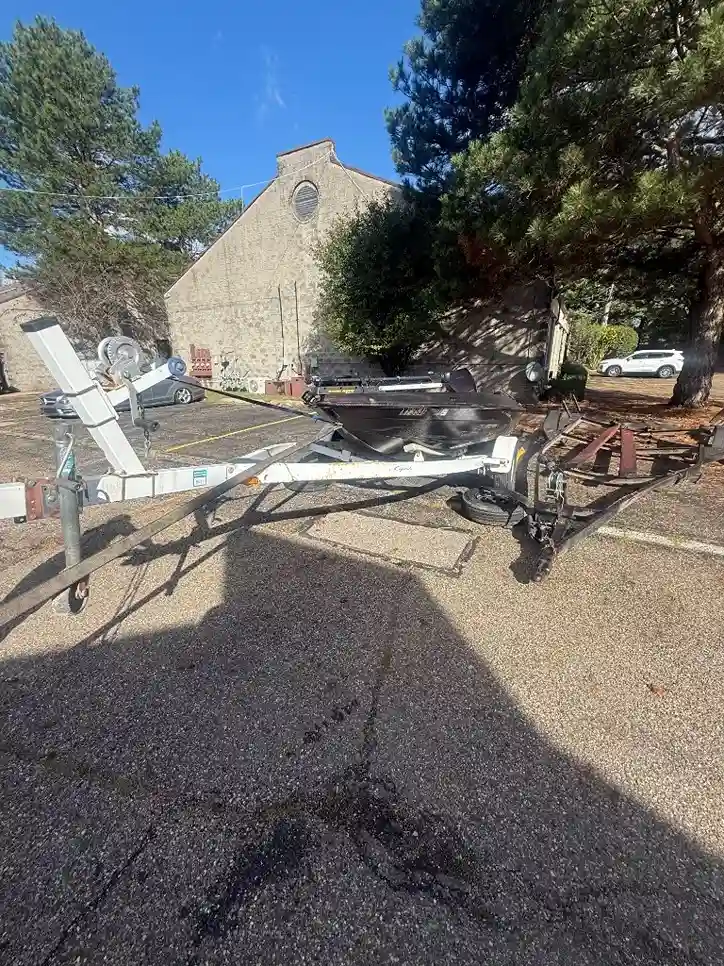
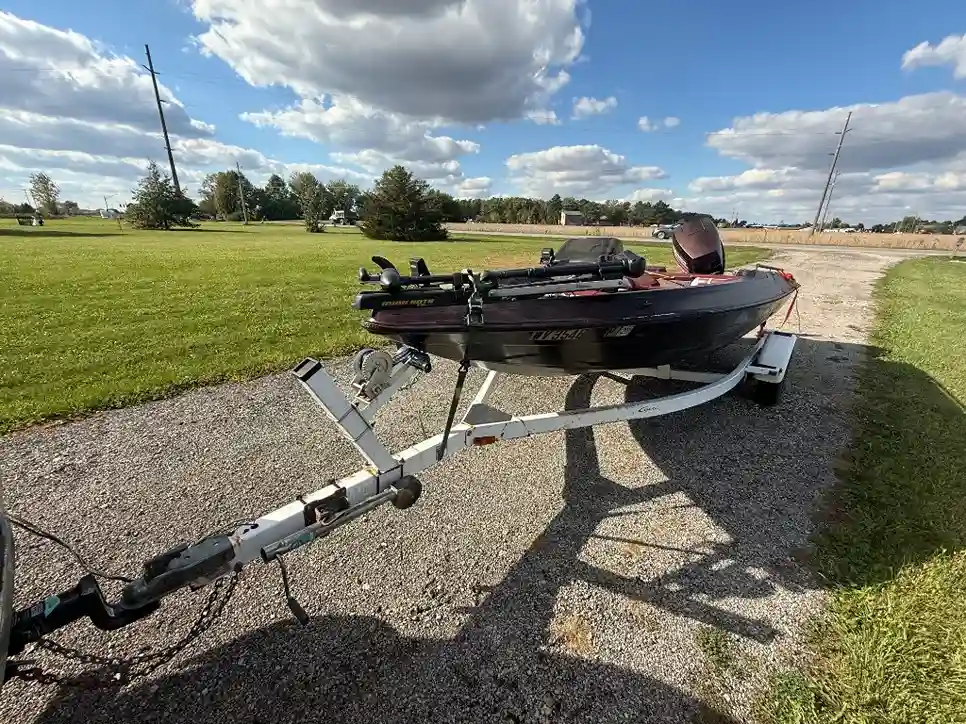
- Trailer status. Tell us whether there is a trailer, whether it has a title or is tied to the boat, whether the tires hold air, and whether the axle and hitch are sound. A damaged trailer may need separate handling.
- Contents and attachments. Engines, fuel, batteries, gear, and personal items affect what must stay, what must leave, and what is handled as part of disposal.
Access details that change the plan
Access often drives the project more than the boat does. Before work begins, the access route should be clear and the on-site contact should be confirmed. Useful details include:
- The exact location of the boat and how it is reached from the road.
- Gate codes, narrow drives, low branches, soft ground, or overhead lines.
- Marina, storage, or community rules, such as required notice or restricted hours.
- Whether other vessels, vehicles, or stored items are nearby and must stay in place.
What affects cost
People ask about boat disposal cost before anything else, and we do not publish a flat price because none would be accurate for every job. The estimate depends on size, condition, location, access, equipment needs, trailer condition, any recovery requirements, transport, and disposal scope. A quote request is free. Removal, recovery, transport, and disposal are not automatically free.
Request a boat removal quote
The safest next step is to send complete information before anyone schedules a visit. Use the contact page to request a project-specific quote and include the following:
- The type of boat or personal watercraft, with approximate length and width.
- Its condition: running or not, damaged, rotted, taking on water, partly sunk, or abandoned on your property.
- Whether a trailer is present and what shape it is in.
- The exact location, including how the boat is reached and any gate or site restrictions.
- Your ownership or removal authorization. Owners should be ready to confirm they can authorize removal, and property representatives should include the site contact and the paperwork or approval behind the request.
- Several clear, safe photographs. Do not climb onto a damaged vessel, enter the water, or move a heavy boat just to get a better angle.
Property managers, marinas, and storage facilities should also include a full item list and state who is responsible for clearing the area, allowing access, and handling disposal. That prevents surprises on the day of the work.
After we review your details, we confirm availability, define which parts of the scope apply, and provide a project-specific estimate. The quote does not promise a schedule, a facility, or a particular disposal method until the project has been reviewed. For general information, visit the Boat Removal & Disposal service hub or browse the Florida service areas. If your property or vessel is closer to another community, you can also look at Boat Removal & Disposal in Wahneta or Boat Removal & Disposal in Jan Phyl Village. Availability for each location is confirmed individually.
This service covers removal and disposal planning. It does not include rescue, emergency response, towing as a separate service, repairs, sales, or legal advice.
Common Removal Situations
Vessels sit for years, taking up room, filling with water, and breaking down until moving them becomes a problem.
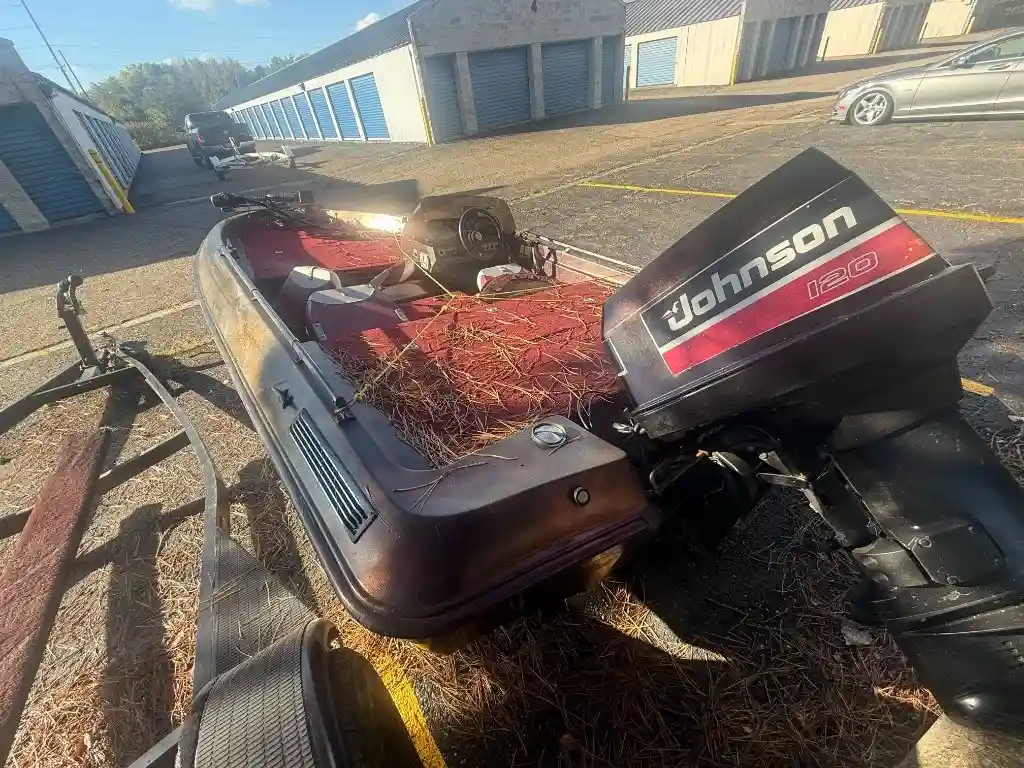
- Unused boats: Powerboats and utility hulls left parked on trailers or yard blocks that the owner wants gone.
- Rotted sailboats and hulls: Soft decks, cracked fiberglass, and waterlogged hulls that are beyond repair.
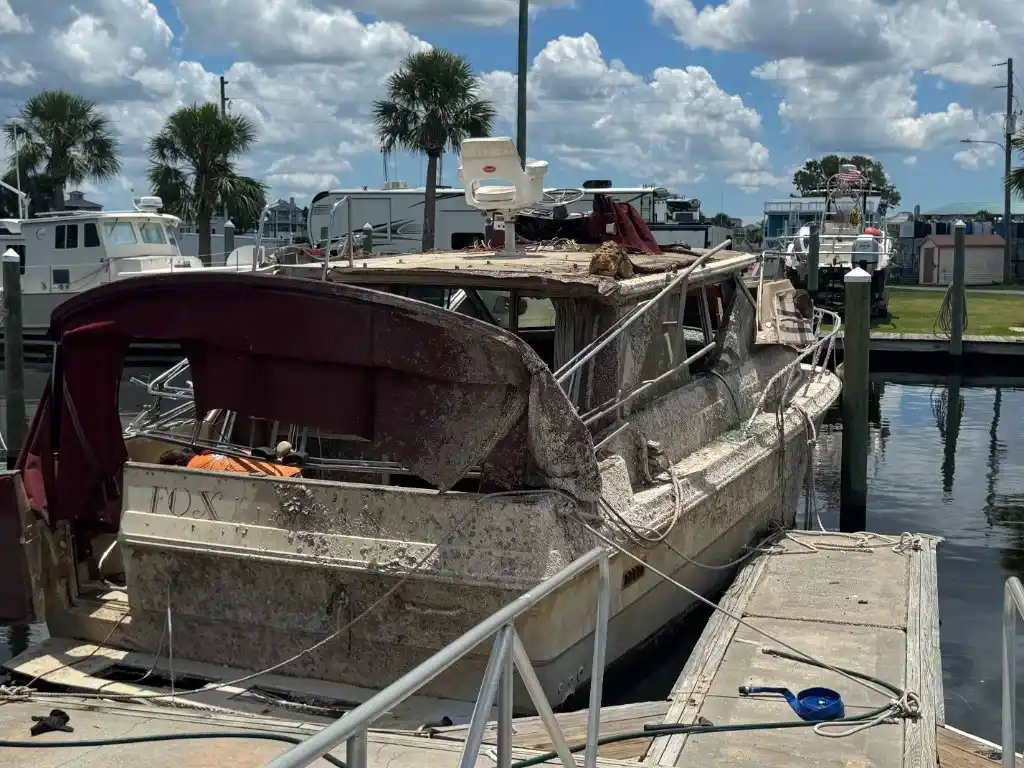
- Abandoned vessels: Derelict boats left behind at marinas, storage yards, or private waterfront property.
- Navigational hazards: Drifting, swamped, or grounded vessels that block slips, launch ramps, or access channels.
- FAQ
Service Questions
Get answers to common questions about boat removal in Florida.

Request a project-specific removal quote
Send current vessel and access details for a project-specific estimate. The quote request is free, but the work is not automatically free. You can also call (904) 946-4709 to ask about availability.
Crushed fiberglass and hazardous hulls go to specialized waste processors, while standard boats head directly to municipal transfer stations for disposal. Describe your vessel and where it sits, then send a few photos. You will get an estimate before any work begins, and the crew takes over from there.